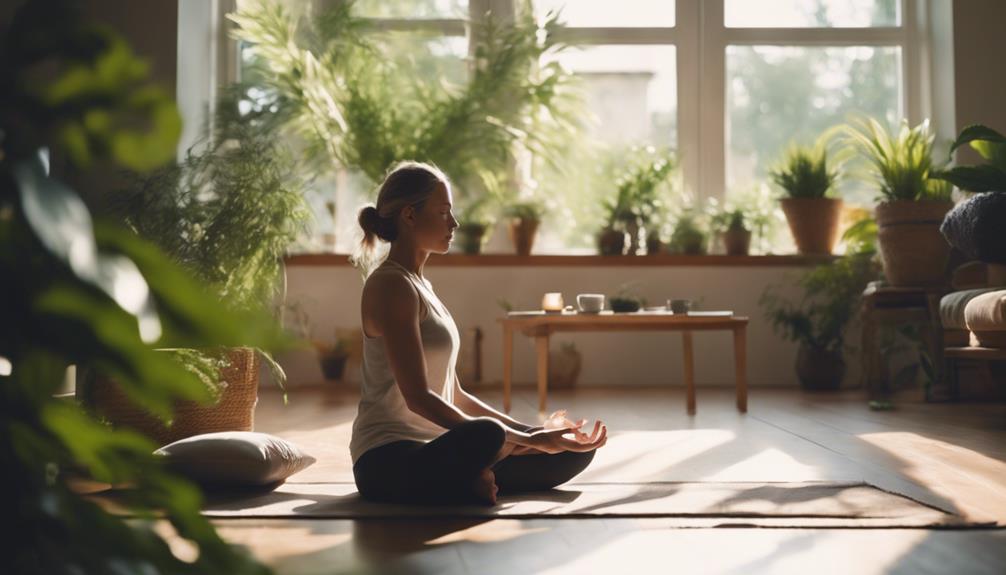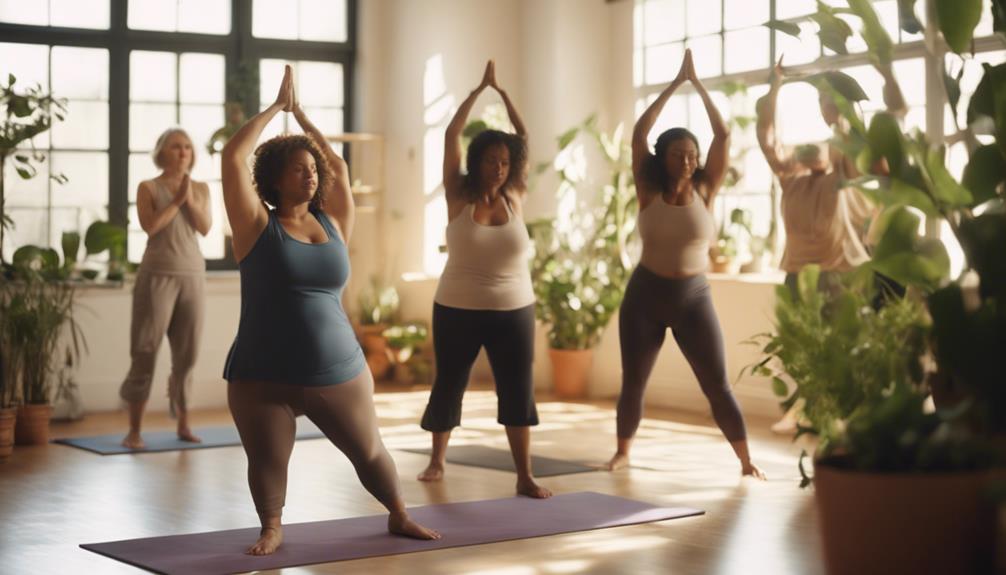
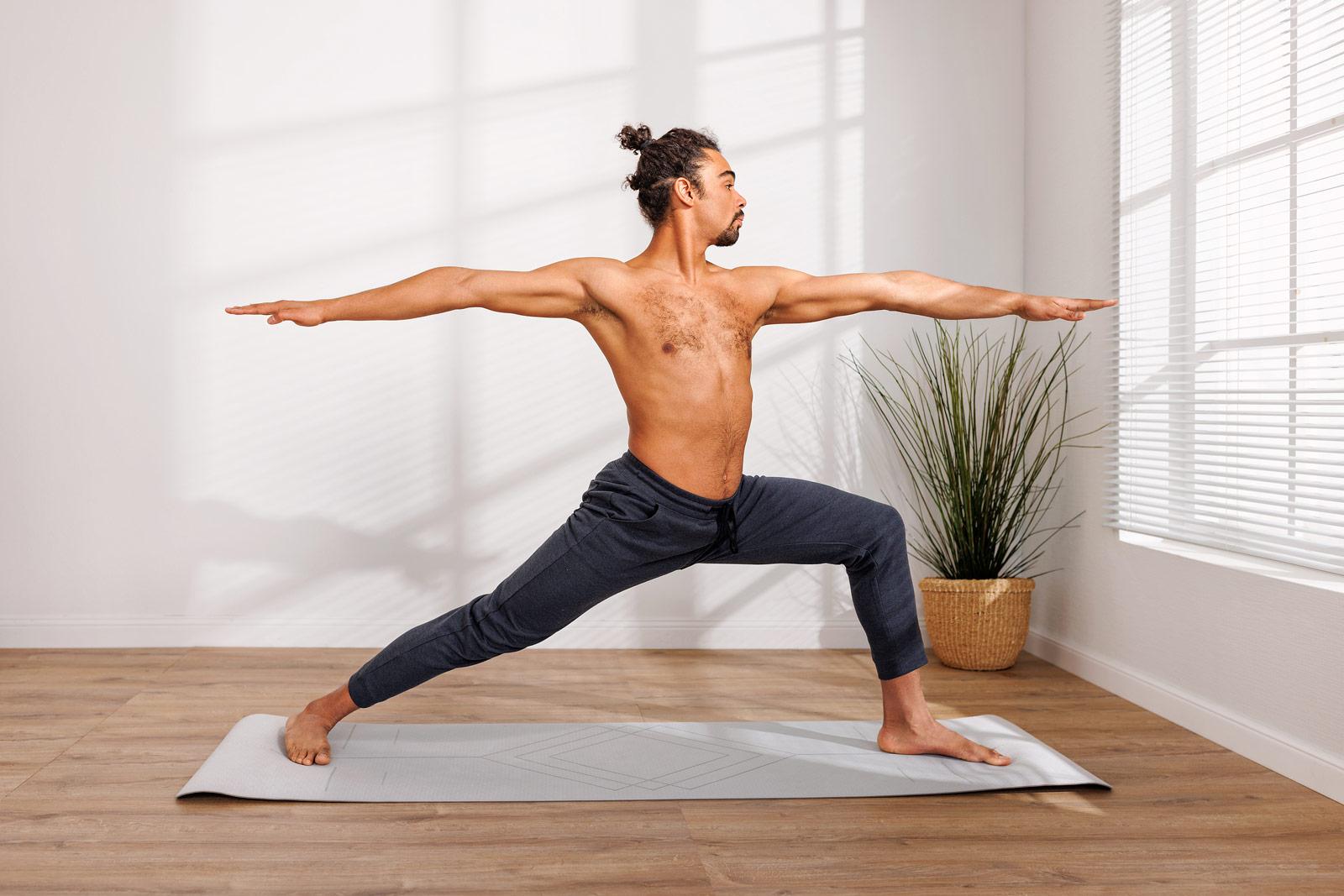
The right yoga studio can make regular practice feel easier, more welcoming, and more sustainable. A good wellness yoga studio offers more than a room for exercise: it can provide skilled guidance, a supportive community, and space to develop strength, mobility, relaxation, and mindfulness at your own pace. Explore nearby yoga options to find wellness studios offering classes that fit your schedule and practice goals.
Whether you are new to yoga or looking for a better place to practise, choosing a studio involves more than selecting the closest location. Consider how well the studio’s teaching style, schedule, atmosphere, facilities, and pricing fit your everyday life.
Why location matters
A studio that is close to home, work, or another regular part of your routine is often easier to attend consistently. Shorter travel times can make it more practical to fit in an early class, an after-work session, or a weekend practice. Convenience also reduces the temptation to skip class when your schedule becomes busy.
Distance is not the only factor, but it is an important one. A studio that is slightly farther away may still be worthwhile if it offers instruction and class times that suit you better. The best choice is usually a realistic balance between travel, quality, cost, and the kind of environment in which you feel comfortable practising.
Compare classes, teaching styles, and levels
Yoga classes can vary considerably in pace and purpose. When reviewing a studio, look for a schedule that reflects your interests and current ability. Depending on the studio, options may include gentle or restorative sessions, alignment-focused classes, meditation, and more active flows.
Pay attention to how classes are described. A class labelled for all levels may still move quickly, while a beginner class may provide more explanation and time to learn basic positions. If you have a specific goal, such as improving mobility, building confidence, or learning relaxation techniques, contact the studio and ask which classes are the best starting point.
Instructors also shape the experience. Look for teachers who explain movements clearly, offer alternatives, and encourage students to work within their own limits. A welcoming teacher should be willing to discuss modifications if you have an injury, health concern, or simply need a gentler approach.
Assess the studio environment
The physical setting can affect both comfort and concentration. During a visit, notice whether the practice room appears clean, well maintained, and adequately ventilated. Consider whether there is enough space for students to move safely and whether essential props, such as blocks, straps, or bolsters, are available.
The atmosphere matters just as much. Some people prefer a quiet, intimate setting, while others enjoy a lively community space. Observe how staff welcome newcomers and whether students seem to receive clear guidance before class. A studio does not need to feel luxurious to be a good fit; it should feel safe, respectful, and appropriate for the type of practice you want. Our wellness yoga studio community also values family-friendly Pilates classes for parents seeking convenient movement and childcare.
Use local search thoughtfully
Searching for “yoga near me” or “wellness yoga studio” can help you create an initial list of nearby options. Map listings are useful for comparing locations, opening hours, and contact details, but search rankings alone do not show whether a studio suits your needs.
Review the studio’s own website or social profiles for class descriptions, timetables, pricing information, and arrival instructions. Online reviews can offer useful clues about teaching, communication, and the general atmosphere, although individual experiences naturally differ. If available, an introductory class or drop-in visit lets you evaluate the studio before committing to a membership.
Questions to ask before joining
A short conversation with the studio can prevent surprises later. Consider asking:
- Which classes are most suitable for beginners?
- How large are typical classes, and how much individual guidance is available?
- Are mats and other props provided, or should students bring their own?
- What are the membership, drop-in, cancellation, and make-up policies?
- Can teachers suggest modifications for injuries or physical limitations?
- How early should a new student arrive for the first class?
- Are there changing areas, parking options, or other practical facilities?
If you are pregnant, managing a medical condition, or recovering from an injury, seek appropriate medical guidance and tell the instructor before class. Yoga teachers can often offer alternatives, but they cannot replace qualified healthcare advice.
Build a lasting practice
Once you find a suitable studio, begin with a manageable schedule rather than trying to attend every available class. Regular practice is more valuable than an ambitious plan that quickly becomes difficult to maintain. You might combine an active class with a gentler session and use short home practices or breathing exercises between visits.
Keep communicating with your instructors as your needs change. Workshops, meditation sessions, and community events may provide additional ways to learn, but they should complement—not replace—the consistent practice that works for your lifestyle.
Choosing a wellness yoga studio is ultimately about fit. Compare nearby options, visit when possible, and look for qualified guidance, a welcoming atmosphere, practical policies, and classes that match your goals. The right studio can give you the structure and support needed to make yoga a steady part of your wellbeing routine.