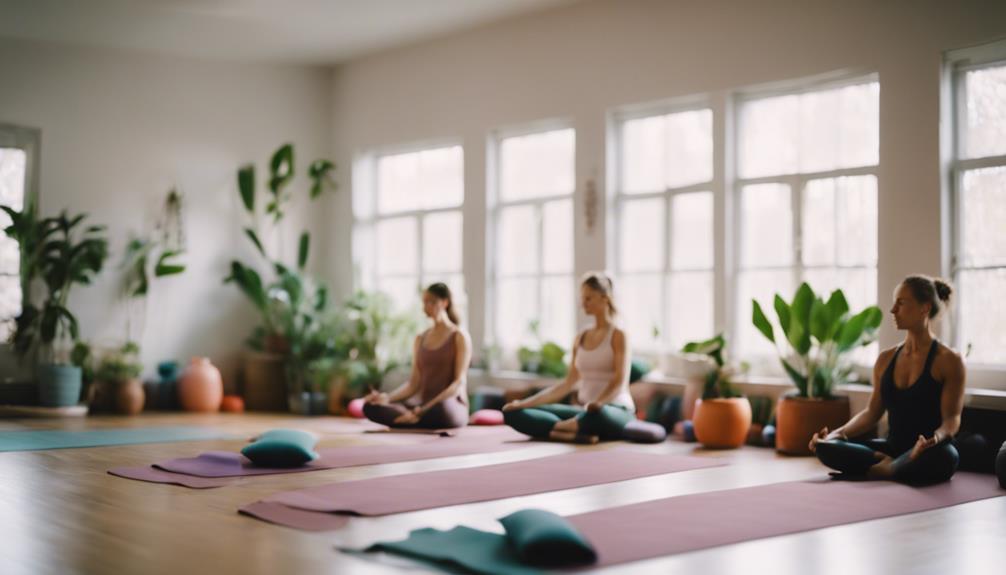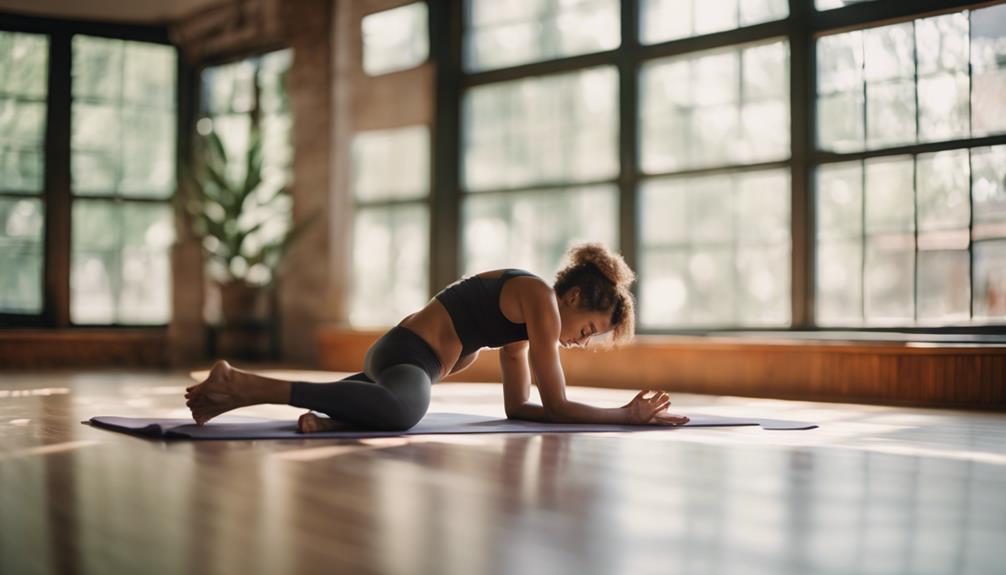

Arthritis can make movement feel difficult, especially when joints are stiff, painful, or easily fatigued. Gentle yoga offers a flexible way to work on mobility, strength, balance, and relaxation without relying on high-impact exercise. The practice can be adapted for osteoarthritis, rheumatoid arthritis, arthritic knees, and age-related changes in balance or flexibility. Explore broader yoga benefits to complement arthritis-friendly exercises with gentle practices supporting flexibility, strength, and overall wellness.
Yoga should support your joints rather than challenge them through pain. Move slowly, use props whenever helpful, and choose variations that match how your body feels that day.
How yoga may help with arthritis
A carefully adapted yoga routine combines controlled movement, light strengthening, breathing, and periods of rest. This can help keep joints moving through a comfortable range while strengthening the muscles that support them. Better flexibility and stability may make everyday activities—such as standing from a chair, walking, or climbing stairs—feel more manageable.
Breath-focused movement can also encourage relaxation. This may be useful when pain, fatigue, or worry makes it harder to move comfortably or sleep well. The goal is not to force a joint into a deeper position, but to build confidence and maintain useful movement over time.
Safety principles for practicing yoga with arthritis
- Get appropriate advice first. Speak with a healthcare professional before beginning if you have severe pain, unstable or significantly damaged joints, recent surgery, or a condition that causes unpredictable flares.
- Stay below the pain threshold. Mild stretching or muscle effort may be acceptable, but stop if you feel sharp, intense, or worsening pain.
- Warm up gradually. Begin with easy movements of the hands, feet, shoulders, neck, and spine before attempting standing or weight-bearing poses.
- Use support. A chair, wall, blocks, cushions, or a bolster can reduce pressure and make balance work safer.
- Avoid forcing end ranges. Do not lock, twist, or overextend an inflamed joint. Keep movements controlled and comfortable.
- Check your response later. If symptoms remain noticeably worse during the following day, reduce the duration or intensity of your next session.
Gentle yoga exercises to try
Seated joint movements
Sit near the front of a sturdy chair with your feet supported. Slowly circle your ankles, open and close your hands, roll your shoulders, and gently turn your head from side to side. These small movements can be useful on stiff mornings or when standing practice is not comfortable.
Cat-cow variation
From hands and knees, or with your hands on a chair or countertop, alternate between gently lengthening the spine and rounding it. Keep the movement small and coordinated with your breathing. A chair-supported version may be more comfortable if your wrists or knees are sensitive.
Supported bridge
Lie on your back with your knees bent and feet resting comfortably on the floor. Press gently through the feet to lift the hips a small amount, then lower slowly. If lifting is uncomfortable, practice tightening the buttock muscles without raising the pelvis. This exercise works the hips and back of the legs without impact.
Leg slides and straight-leg lifts
While seated or lying down, slowly slide one leg forward and back, keeping the movement controlled. You can also straighten one leg and lift it a short distance before lowering it. These options may help maintain leg strength without deep knee bending. Keep the knee relaxed rather than forcefully locked. Explore gentle yoga movements that may help ease stiffness and support comfortable joint mobility.
Supported standing poses
Stand beside a wall or hold the back of a chair. Practice a small step-back lunge, a gentle supported warrior position, or a simple weight shift from one foot to the other. Keep the knees aligned with the toes and avoid allowing them to collapse inward. A smaller stance is often more appropriate than a deep pose.
Gentle twists and relaxation
From a chair, place one hand on the opposite thigh and turn the chest slightly while keeping the movement easy. Finish with a supported resting position and several slow breaths. Relaxation is especially valuable when fatigue or a rheumatoid arthritis flare makes a stronger session unsuitable.
Adapting yoga for different arthritis needs
With rheumatoid arthritis, symptoms can vary considerably. During a flare, shorten the session and emphasize breathing, comfortable range-of-motion exercises, and restorative positions. Avoid placing excessive weight on painful wrists, shoulders, knees, or feet.
For osteoarthritis, a routine may gradually include more strengthening and balance work, provided symptoms remain stable. People with arthritic knees often benefit from chair-based exercises, supported standing, and shallow knee bends rather than prolonged kneeling or deep squats.
Older adults may prefer chair yoga, shorter sessions, and wall-supported balance practice. Consistency matters more than intensity. A brief routine practiced regularly can be easier to maintain than an occasional demanding class.
Building a sustainable routine
Choose an instructor or program that specifically accommodates arthritis, and explain your limitations before class. Begin with a short practice focused on breathing, warm-up movements, and a few supported exercises. You can combine yoga with other low-impact activities such as walking or swimming if those activities are appropriate for you.
Notice practical changes rather than judging progress by how advanced a pose looks. Easier movement in the morning, improved balance, better sleep, or greater confidence with daily tasks can all be meaningful signs that your routine is working. When adapted thoughtfully, yoga can become a supportive part of long-term arthritis care.