Yoga is not a single exercise routine. It is a broad tradition that includes physical postures, breathing techniques, meditation, ethical principles, chanting, and self-study. Modern classes often focus on movement, but the wider range of yoga practices offers many ways to develop body awareness, concentration, relaxation, and a steady relationship between breath and movement. For a deeper look at how traditions differ, explore different yoga styles and their unique benefits.
Because different teachers and traditions place emphasis on different techniques, the best practice depends on your goals, experience, energy level, and physical needs. Learning how major styles differ can make it easier to choose a class or create a balanced routine of your own.
What counts as a yoga practice?
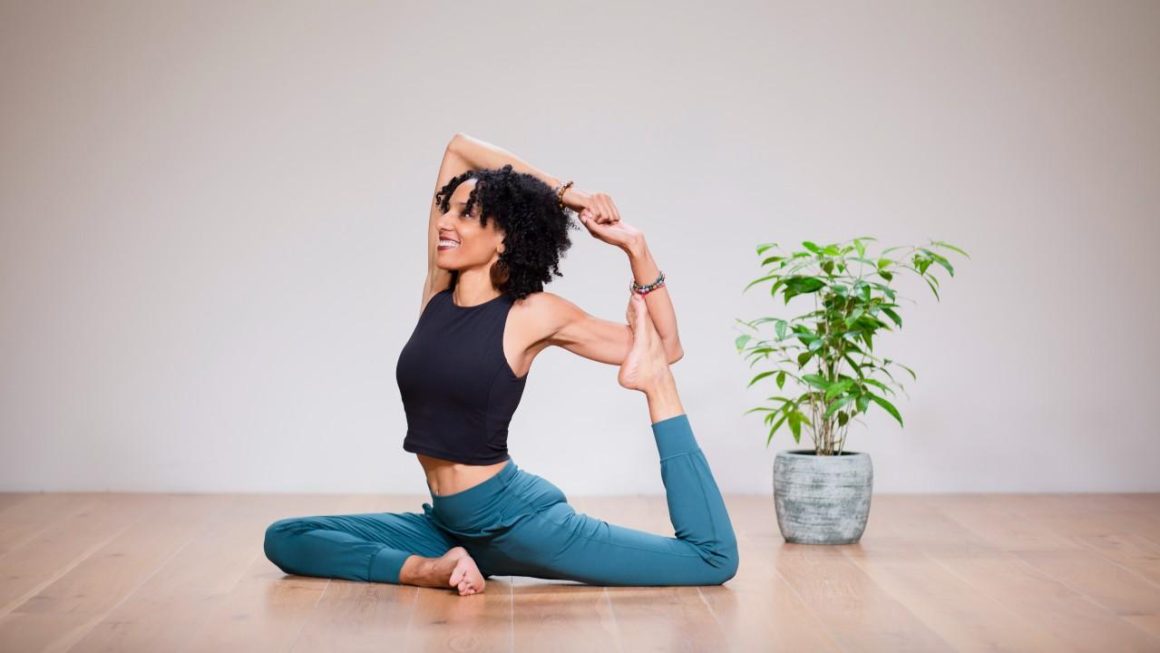
Yoga practices include any discipline rooted in the principles of yoga. Asana refers to physical postures, while pranayama describes breath control. Meditation, often called dhyana, develops attention and mental steadiness. Some approaches also include mantra, chanting, study, and ethical guidelines.
These elements do not have to be treated as separate activities. A physical sequence may use breathing to guide movement, while a quiet session may combine gentle postures, breath awareness, and meditation. Together, they create a practice that can be adapted to different settings and levels of experience.
Hatha yoga and building strong foundations
Hatha yoga is commonly associated with a measured approach to postures, alignment, and breathing. Classes influenced by Hatha may move slowly enough for students to examine how each position feels and to practise entering and leaving postures with control.
This style can suit people who want to learn fundamental techniques without the pace of a continuous flow. It also provides a foundation for exploring concentration, breathwork, and other aspects of yoga beyond physical movement. Progress is generally approached gradually, with attention to steady breathing and sustainable effort.
Vinyasa and Ashtanga: dynamic forms of movement
Flow-based yoga connects postures through transitions, often using the breath as a guide. Vinyasa classes can vary considerably: sequences may be creative, energetic, and adaptable to the teacher’s approach. Practitioners who enjoy variety may appreciate this flexibility.
Ashtanga is more structured, using a set series of postures and a disciplined approach to repetition. Like Vinyasa, it can provide a vigorous physical experience while asking students to maintain concentration as they move. These styles may appeal to people looking for challenging yogic exercises involving strength, coordination, endurance, and focused breathing.
Restorative and Yin practices
Restorative and Yin yoga offer a different experience from active flow. Sessions usually involve stillness, longer-held positions, and an emphasis on ease rather than muscular intensity. Props may be used to support the body so that attention can turn toward breathing, sensation, and release. Explore gentle yin sessions online to complement your broader yoga practices with restorative, mindful movement.
Restorative practice is often associated with rest and recovery, while Yin commonly uses longer holds to explore areas around connective tissue and joints. These approaches can complement more demanding routines by adding time for quiet, mobility, and relaxation. As with any practice, positions should be adapted when they create pain or discomfort.
Iyengar, Kundalini, and specialised approaches
Some yoga styles are recognised for a particular method or emphasis. Iyengar yoga gives close attention to alignment, detail, and the use of props. This can help students investigate posture carefully and modify positions to suit their circumstances.
Kundalini yoga may combine movement, breathwork, mantra, and sequences known as kriyas. Its emphasis extends beyond physical exercise to awareness and energetic experience. Other contemporary approaches use yoga techniques in settings focused on stress, chronic pain, or rehabilitation. These classes may require especially thoughtful adaptation and guidance from an appropriately qualified instructor.
How to choose a practice
Start by identifying the experience you want rather than choosing a style based only on its name. Consider the following questions:
- Do you want a vigorous, flowing session or a slower introduction to fundamentals?
- Are you mainly interested in strength and movement, or in relaxation and stillness?
- Would detailed alignment instruction or prop-supported modifications be useful?
- How much time and energy can you realistically give to practice?
- Does the class description match your current experience and physical needs?
A balanced routine does not need to follow one style exclusively. An active sequence can be paired with gentle stretching, breathwork, or a short meditation. Someone interested in relaxation may still include basic strengthening postures. Varying the emphasis can make practice more sustainable and help develop awareness across body, breath, and mind.
Developing a personal yoga routine
Regularity is often more useful than intensity. Begin with practices that feel manageable, pay attention to breathing, and allow time to learn essential postures before pursuing more demanding variations. Yoga’s broader value lies not only in the positions themselves, but also in the attention and self-awareness brought to them.
Whether you prefer Hatha, Vinyasa, Ashtanga, Yin, Restorative, Iyengar, Kundalini, or a combination of approaches, explore the method thoughtfully. The most suitable yoga practice is one that supports your goals, respects your body, and can become a consistent part of daily life.