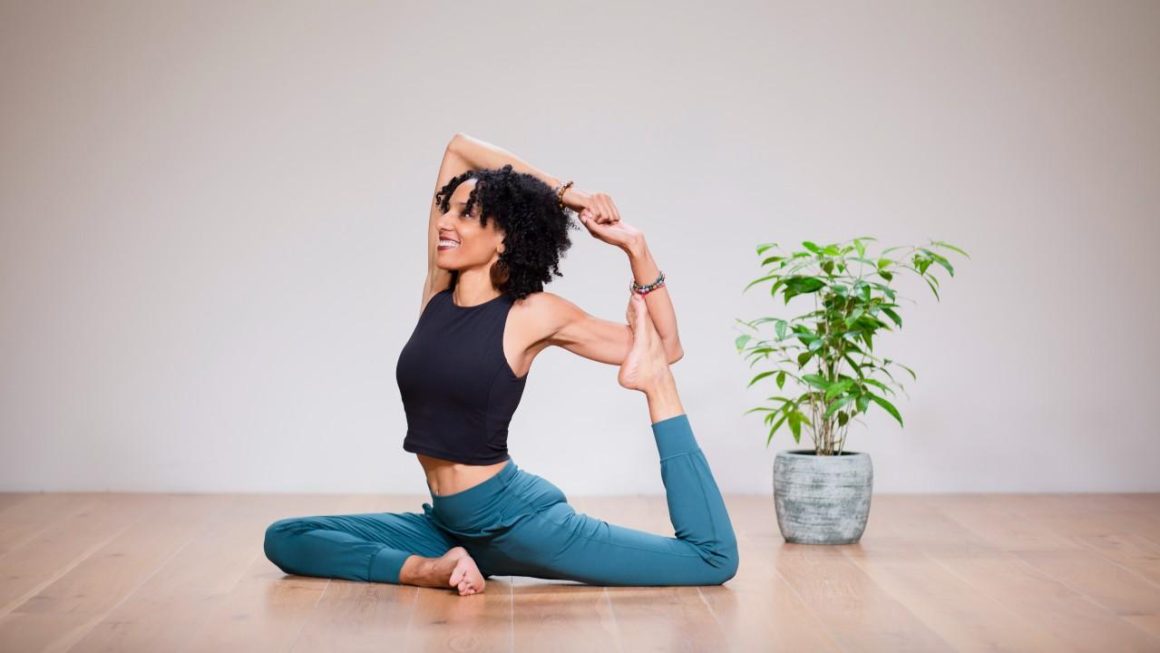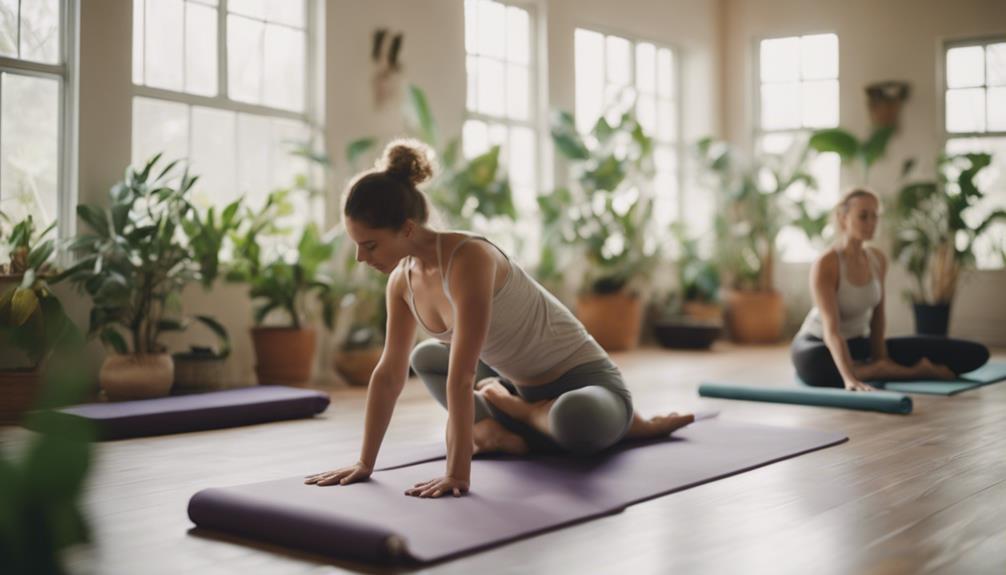
A free first yoga class is an easy way to explore a studio, instructor, and style before paying for a membership or class package. Whether you are searching for “yoga classes near me,” “vinyasa flow yoga near me,” or a nearby heated studio, an introductory class can help you decide what fits your goals, schedule, and comfort level. After your free first class, explore yoga styles to find a practice that suits your goals and preferences.
How to find a free introductory class
Start by checking local yoga studios, community centres, independent teachers, and larger studio networks. Some offer a complimentary first visit, while others provide a discounted trial class or short introductory period. Donation-based and community classes may also be useful if you want to experience yoga without making a long-term commitment.
Before booking, check the details of the offer. Confirm whether it applies to new students only, whether registration is required, and whether the class has a particular level or format. It is also worth checking the location, cancellation policy, equipment requirements, and whether the room is heated.
Choose a class style that matches your goals
Yoga classes can vary considerably in pace and intensity. The name of a class usually provides useful clues about what to expect:
- Vinyasa flow: A continuous sequence of postures linked with the breath. Classes may range from gentle to physically demanding.
- Power yoga: A more fitness-oriented style that commonly includes standing sequences, balance work, strength, and core engagement.
- Core flow or core sculpt: Yoga-based movement with additional emphasis on abdominal and stabilising muscles.
- Hot yoga: Yoga practised in a heated room. The temperature and intensity can differ between studios.
- Heated sculpt: A blend of yoga, strength exercises, and sometimes weights, usually designed to create a more vigorous full-body workout.
- Restore: A slower format focused on mobility, relaxation, and recovery rather than maximum intensity.
If you are new to yoga, a moderate flow or restore class may be a more comfortable introduction than a long, heated sculpt session. If building strength and raising your heart rate are priorities, power, sculpt, or core-focused formats may be better options.
What to know about CorePower-style classes
CorePower Yoga offers several formats, including Yoga Sculpt, Yoga 2, often called C2, and Core Restore. The experience depends on the format: sculpt and C2 classes are often heated, while Core Restore is gentler and not heated. Ask the studio about the room temperature when booking, particularly if you have never attended a heated class.
Many classes run for approximately 45 to 75 minutes, although the exact length depends on the format and location. Sculpt and power sessions may be toward the longer end of that range, while restore classes may be shorter. A sculpt sequence typically combines flowing yoga movements with strength work, weights, and dedicated core exercises. After enjoying your free first class, explore inspiring yoga forms performed by confident women.
If you are comparing a yoga studio with a strength-focused option such as Solidcore, consider the type of movement you prefer. Solidcore-style workouts generally centre on resistance training using specialised equipment, whereas CorePower-style classes use yoga-based movement and may include different levels of heat, flow, and strength training.
Can yoga help with weight loss?
Vigorous power and sculpt classes can raise your heart rate and challenge muscular endurance. They may contribute to overall fitness and calorie expenditure, but the effect varies according to factors such as class intensity, duration, body size, metabolism, and consistency. No single class guarantees weight loss.
Restore and slower mobility-focused classes serve a different purpose. They can support flexibility, recovery, and a balanced routine, but they are not primarily designed as high-calorie workouts. If weight management is one of your goals, consider how yoga fits alongside your overall activity and eating habits rather than judging a class by calorie estimates alone.
Check the cost before continuing
After using a free or introductory offer, compare the studio’s ongoing options. Common choices include drop-in classes, multi-class packages, and monthly memberships. Membership prices and conditions vary by location and promotion, so check what is included, whether access is unlimited, and how cancellation works.
Prepare for your first visit
Arrive early enough to complete registration and tell the instructor that you are new. Wear comfortable clothing that allows movement, bring water, and ask whether mats or weights are provided. For a heated class, pace yourself and take breaks whenever necessary.
People with health conditions or concerns about heated exercise should seek appropriate medical guidance and discuss their needs with the instructor or studio before attending. A free first class is an opportunity to explore—not a test of endurance. Pay attention to how the pace, temperature, teaching style, and recovery time feel, then use that experience to choose a sustainable yoga routine.