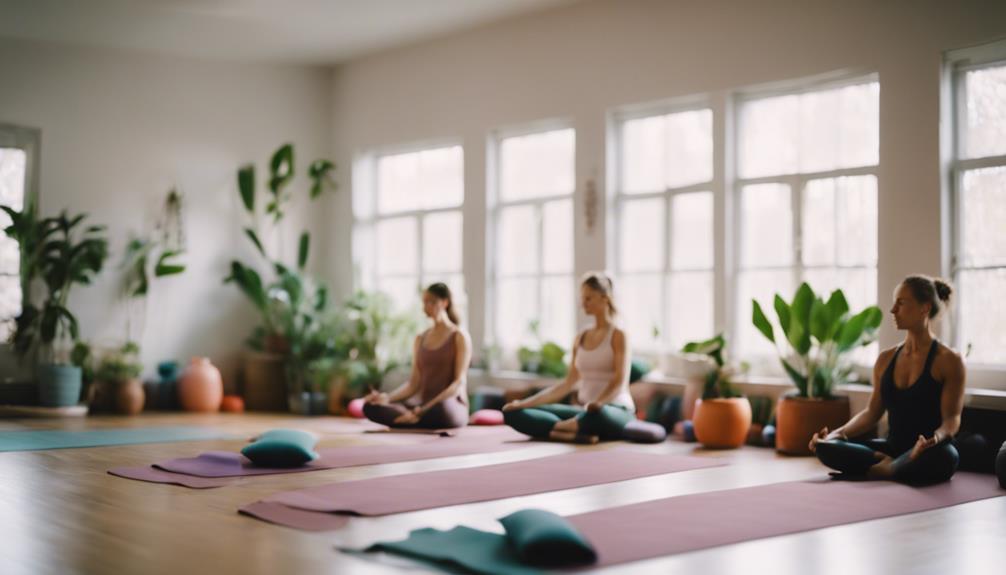
Healthy joints support nearly everything we do, from walking and climbing stairs to reaching, bending, and maintaining balance. Yoga can be a useful part of a joint-care routine because it combines controlled movement, muscle engagement, body awareness, and breathing. The most beneficial approach is not the deepest stretch or the most demanding pose. It is a consistent practice that improves comfortable movement without irritating sensitive tissues. Explore broader yoga benefits to complement joint-focused practices and support your overall physical and mental wellbeing.
Why joint mobility matters
Joints depend on several structures working together, including cartilage, ligaments, muscles, and the fluid that helps the joint move smoothly. Stiffness may develop with inactivity, aging, previous injury, inflammation, or repetitive movement. Reduced mobility can affect posture, balance, and everyday tasks, while weak supporting muscles may place additional strain on a joint.
A joint-friendly yoga practice addresses several of these concerns at once. It can encourage regular movement through a comfortable range, strengthen muscles around the hips, knees, shoulders, and spine, and improve awareness of alignment. Relaxation and steady breathing may also help reduce the muscle tension and stress that can make discomfort feel more pronounced.
How yoga may support joint function
Gentle movement helps prevent the body from remaining in one position for too long. Repeated, controlled motion can make joints feel less stiff and help you become more comfortable with everyday ranges of movement. Weight-bearing postures can build strength when they are appropriately modified, while balance work can develop control and confidence.
Yoga also encourages people to notice the difference between a mild stretch, muscular effort, and warning signs such as pinching or sharp pain. This awareness makes it easier to adjust a posture before excessive force is placed on a vulnerable joint.
Joint-friendly yoga movements
The following movements can form the basis of a gentle session. Move slowly, breathe comfortably, and stay within a range that feels controlled.
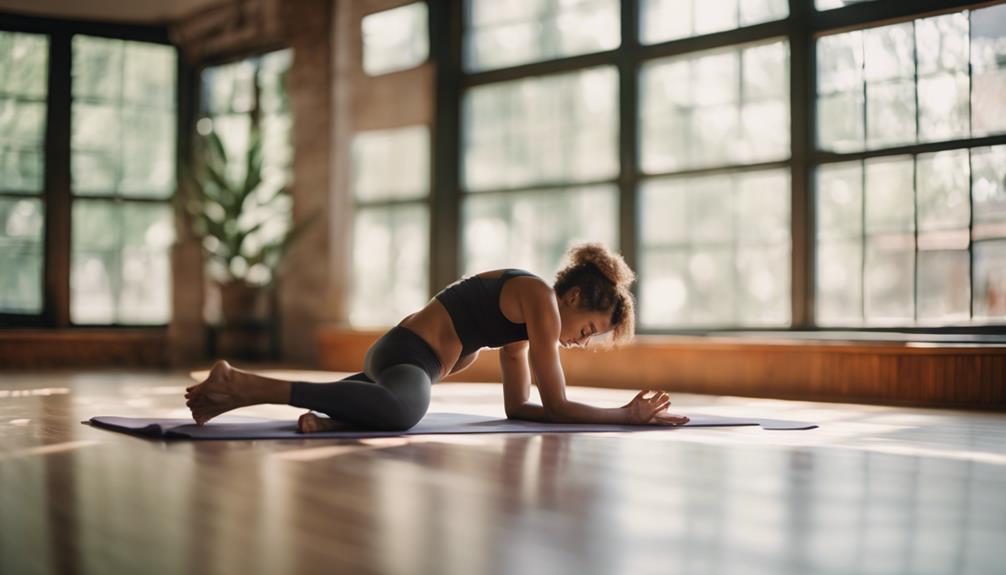
- Cat-cow: From a hands-and-knees position, or with your hands supported on a chair, slowly round and lengthen the spine. This can ease stiffness through the back and encourage coordinated movement.
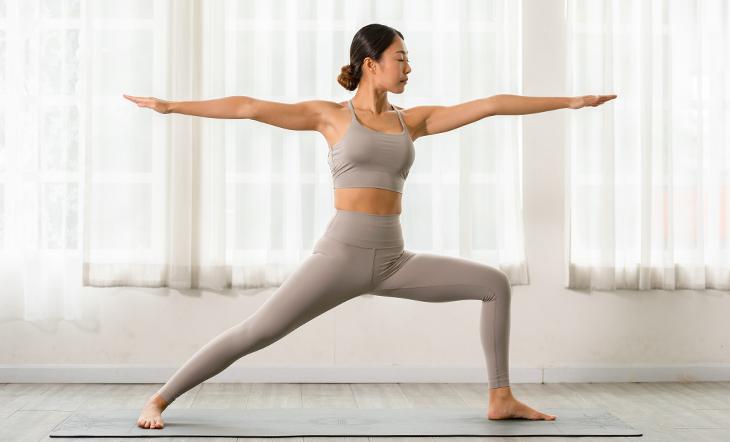
- Supported standing poses: A modified warrior pose, with one hand on a wall or chair, can engage the legs while reducing the balance demands of the posture. Keep the front knee tracking in the same direction as the foot.
- Seated-to-standing practice: Rising from a firm chair and sitting down again develops control in the hips, thighs, and knees. Use your hands for support if needed, and avoid dropping into the seat.
- Bridge pose: Lying on your back with knees bent, gently lift the hips only as high as you can without discomfort. This strengthens the buttocks and the back of the body. A supported version may be more suitable for some people.
- Ankle and shoulder circles: Small, controlled circles can be used during a warm-up or after long periods of sitting. Keep the movement smooth rather than trying to force a larger circle.
Use props to reduce strain
Yoga props are practical tools, not signs that a pose is being performed incorrectly. A chair can provide balance during standing movements, while blocks can bring the floor closer and reduce reaching. A strap may help with positioning without pulling aggressively, and a bolster or folded blanket can provide support during rest or gentle stretching. For additional relief, try upper back stretches that complement yoga’s joint-friendly mobility work.
For example, sitting on a folded blanket may make a seated posture more comfortable. A supported bridge can reduce the effort required to hold the position, and a wall can provide stability during balance work. Choose the version that allows steady breathing and relaxed control.
Creating a sustainable routine
Consistency is generally more useful than occasional intense sessions. Begin with a short warm-up, such as easy walking, joint circles, or gentle spinal movements. Follow it with two or three mobility exercises and one or two simple strengthening poses. Finish with relaxed breathing or a comfortable resting position.
A routine performed several times each week can be easier to maintain than a long session that leaves you sore. Increase duration or difficulty gradually, and allow enough recovery between sessions. Walking, low-impact cardiovascular exercise, and appropriately supervised resistance training can complement yoga by supporting overall strength and function.
When to modify or seek guidance
Yoga is not suitable in the same way for every joint condition. If you have a recent injury, significant swelling, acute inflammation, advanced joint disease, or persistent pain, obtain guidance from a qualified healthcare professional before beginning or changing your routine. An instructor with experience in therapeutic adaptations may also help you select safer variations.
Stop a movement that causes sharp, worsening, or unusual pain. Avoid forcing a joint to reach a deeper position, bouncing into stretches, or moving quickly between challenging postures. The goal is comfortable, repeatable movement—not proving flexibility.
With suitable modifications and regular practice, yoga can help support mobility, strength, balance, and confidence in everyday movement. Start gently, use support when useful, and let comfort and control guide your progress.