Finding the right yoga class in Hanover, NH, can make it easier to build a practice that supports your movement, breathing, and overall sense of well-being. Local studios may offer more than scheduled group classes, including workshops, private instruction, small-group sessions, and community events. The best choice depends on your experience, goals, schedule, and the kind of environment in which you feel comfortable practicing. Explore Hanover yoga options for welcoming classes, personalized instruction, and wellness services suited to your practice.
Why practice at a local Hanover yoga studio?
A local studio can provide a more personal experience than following a general online class. Instructors can observe how students move, explain techniques in real time, and suggest modifications when a pose or sequence needs to be adapted. This individual attention can be especially helpful for beginners, people returning to exercise, or anyone who wants a slower introduction to yoga.
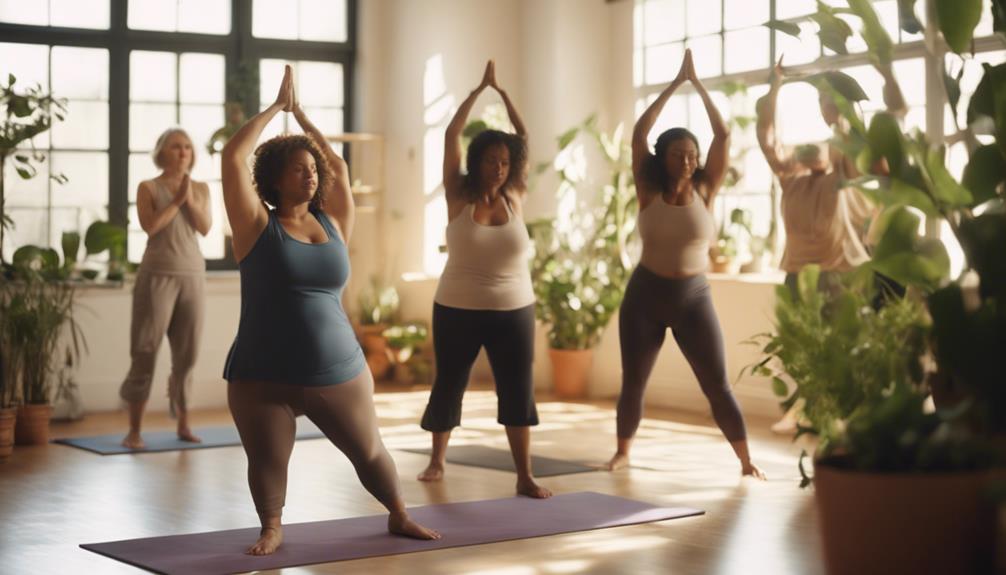
Studios also create opportunities to practice consistently with familiar teachers and classmates. Over time, that sense of connection can make it easier to maintain a routine. Some people are drawn to the social and community aspects of a neighborhood studio, while others appreciate having a dedicated space away from daily responsibilities.
Classes and services you may find
Yoga offerings vary from one Hanover studio to another, but schedules often include a combination of foundational, active, and restorative formats. Common options include:
- Beginner or fundamentals classes: An introduction to basic postures, alignment, breathing, and class etiquette.
- Hatha yoga: A practice that may move at a measured pace, with attention to posture and breath.
- Vinyasa or flow classes: Movement linked with breathing, often with a more continuous or energetic pace.
- Yin and restorative yoga: Slower practices that use supported positions and longer holds to encourage relaxation and mobility.
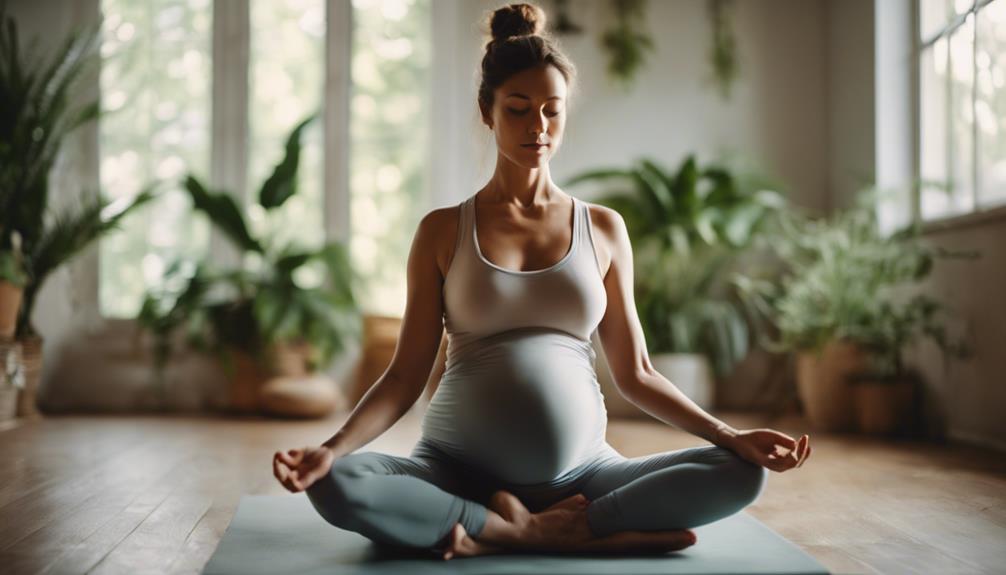
- Gentle or specialized classes: Options designed around different ages, activity levels, or needs, such as prenatal, senior, or recovery-focused sessions.
- Workshops and short series: Focused instruction on alignment, meditation, breathwork, flexibility, or specific poses.
- Private and small-group instruction: More individualized guidance for students seeking a tailored practice or extra support.
Some studios may also provide yoga sessions for workplaces, schools, or community groups. Ask directly about available services rather than assuming every location offers the same formats.
Choosing a class that matches your experience
If you are new to yoga, start with a class labeled beginner, introductory, basics, or fundamentals. These sessions generally allow more time for explanations and provide an opportunity to learn essential movements before attending a faster-paced class. A gentle or restorative class can also be a comfortable starting point if your primary goal is relaxation or if you prefer less strenuous movement.
Students with more experience may enjoy flow classes, technique workshops, or sessions that explore more demanding transitions. However, class labels are not always standardized. Read the description carefully and contact the studio if you are unsure about the pace, physical demands, or recommended experience level.
If you have an injury, ongoing pain, or a medical concern, discuss your plans with an appropriate healthcare professional and tell the instructor before class. A private session may offer more time to discuss modifications than a busy group class. Explore Hanover yoga classes for welcoming sessions that support flexibility, strength, and mindful relaxation.
Assessing teaching style and studio atmosphere
An instructor’s approach can strongly influence whether a class feels welcoming and useful. Look for clear instructions, reasonable progressions, and options that allow students to work at different levels. A supportive teacher should encourage awareness and exploration rather than treating every pose as something to force or perfect.
Studios also differ in atmosphere. Some place greater emphasis on meditation, breathwork, and traditional aspects of yoga, while others focus primarily on strength, mobility, or fitness. Neither approach is automatically better; the important question is whether it matches your interests. Trying an introductory class or speaking with a teacher can help you understand what to expect.
Practical questions to consider
A studio is more likely to become part of your routine when its practical details work for your lifestyle. Before signing up, consider:
- Whether morning, midday, or evening classes fit your schedule
- Drop-in prices, class packages, memberships, and introductory offers
- Whether mats, blocks, straps, and other props are provided
- Parking, public transportation, accessibility, and changing facilities
- Cancellation policies and booking requirements
- Whether the studio offers workshops or private sessions that support your goals
Cost matters, but convenience and consistency matter too. A slightly more convenient class that you can attend regularly may serve you better than an option that is difficult to reach or rarely fits your schedule.
Building a sustainable yoga routine in Hanover
Yoga can develop gradually through regular practice rather than occasional intense sessions. You might begin with one class each week, then add a second class or a short home practice as you become more comfortable. Alternating active sessions with gentle or restorative classes can help create variety without making every practice physically demanding.
Whether you want a stronger flow, improved mobility, stress-management tools, or a supportive local community, Hanover yoga studios offer different ways to begin. Compare class descriptions, ask questions, and try more than one teaching style. The right studio is the one that feels welcoming, fits your daily life, and helps you practice in a way you can sustain.