Planning a yoga class involves more than choosing a collection of poses. A well-designed sequence gives students a clear progression, prepares the body for more demanding work, and creates enough flexibility for different abilities and energy levels. A yoga sequence builder can help teachers organise that process without taking away the creativity and judgment that make each class their own. Use teacher-focused sequencing to adapt each routine for varied student needs, abilities, and class goals.
What a yoga sequence builder does
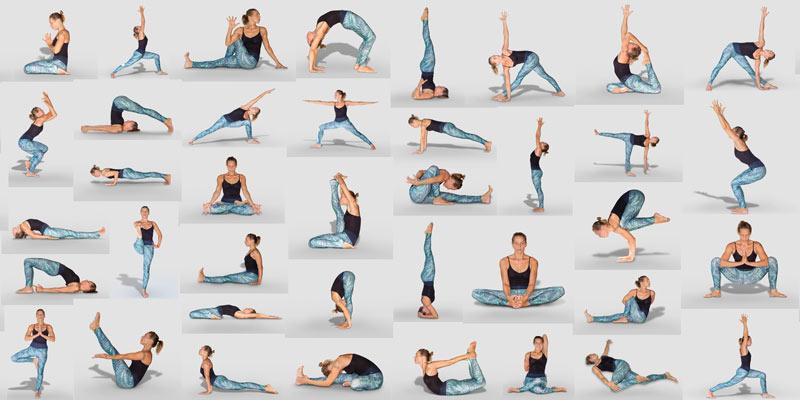
A sequence builder provides a visual way to arrange postures, transitions, breathing exercises, and periods of rest. Instead of keeping every class plan in scattered notes, an instructor can map the arc of a session in one place and revise it as the class develops.
Depending on the tool, a builder may also allow teachers to save templates, add teaching notes, record approximate hold times, and create alternative versions of a pose or transition. These features are particularly useful when planning recurring classes, workshops, or a series in which students gradually revisit and develop familiar skills.
Start with the purpose of the class
Before selecting poses, decide what students should experience or learn. The intention might be a steady all-level flow, a restorative practice, preparation for a particular movement pattern, or a class focused on a broad theme such as balance or hip mobility.
Once the intention is clear, consider the practical needs of the group:
- How much experience are students likely to have?
- Will the class be vigorous, moderate, gentle, or restorative?
- What props, space, or teaching assistance will be available?
- Which movements should be introduced gradually?
- Where will students need options rather than a single required expression of a pose?
These decisions give the sequence a useful direction and help prevent the pose library from becoming the starting point for an unfocused class.
Build a clear class arc
A reliable structure can make a class easier to teach and easier for students to follow. Use the builder to arrange the main stages of the practice:
- Arrival and centering: Give students time to settle, notice the breath, and understand the intention.
- Warm-up: Begin with accessible movements that prepare the areas and patterns used later.
- Progressive main work: Increase complexity, strength, balance, or intensity in manageable steps.
- Peak or central focus: Offer the class’s main physical or educational emphasis without making it the only successful outcome.
- Release and cooling down: Use movements that reduce intensity and support a gradual transition toward rest.
- Final relaxation: Leave sufficient time for students to settle and integrate the practice.
Thinking in stages also makes transitions easier to review. A sequence may contain excellent individual postures but still feel disjointed if students are repeatedly asked to change direction, move quickly between levels, or enter a demanding shape without preparation.
Features worth looking for
The best tool is the one that fits the teacher’s planning habits. When comparing a yoga sequence builder, look for practical features such as: A yoga sequence builder can complement teacher training requirements for aspiring instructors planning to teach in Texas.
- A simple way to add, remove, and reorder poses
- Pose variations and modification notes
- Space for alignment reminders, breath cues, and transition instructions
- Hold-time or pacing notes
- Reusable templates and the ability to duplicate an existing plan
- Clear printing or export options for use away from a screen
A large pose library can be helpful, but it should not replace careful sequencing. An uncluttered interface and dependable note-taking may be more valuable than a long list of postures if the tool is used during busy teaching weeks.
How to create your own yoga sequence
To create your own yoga sequence, choose a small number of movements that support the class intention, then connect them with transitions students can understand. Add preparation before more challenging work and consider what movements will provide a balanced conclusion. Counterposes and quieter shapes can help the class change direction rather than ending abruptly after its most intense section.
Write cues that you can actually use while teaching. Short reminders about breath, gaze, weight distribution, or the next transition are often more useful than a long script. Include options in the plan before class begins, such as using a prop, reducing range of motion, changing the pace, or remaining in a simpler variation.
Adapt one plan for a mixed-ability group
A sequence builder is especially useful when one class includes students with different experience levels. Keep a shared structure while offering several pathways through selected postures. For example, a plan might include a supported option, a standard variation, and a more demanding choice, with clear notes explaining when each can be offered.
Present options as valid ways to participate rather than as a ranking system. This keeps the group together while allowing students to work at an appropriate level. If a transition is complex, plan a simpler route that preserves the class’s intention without requiring every student to perform the same movement.
Free tools and paid platforms
A yoga sequence builder free option may be enough for basic planning, especially when you are learning how to organise classes or only need a simple pose list and timeline. More advanced platforms may be useful when you want richer templates, expanded notes, media, or a central library for many classes. Compare the tool with your actual workflow rather than choosing features you will not use.
Review and refine each sequence
After teaching a class, record what worked and what should change. Note whether the pacing allowed enough time for explanation, whether students understood the transitions, and whether the modifications were easy to communicate. Use those observations to revise the saved plan before teaching it again.
A builder is most effective as a planning partner, not an automatic teacher. Your knowledge of the students, attention to clear instruction, and willingness to adapt in the room remain central. Used thoughtfully, it can turn scattered ideas into organised, teachable sequences while leaving room for presence and creativity.