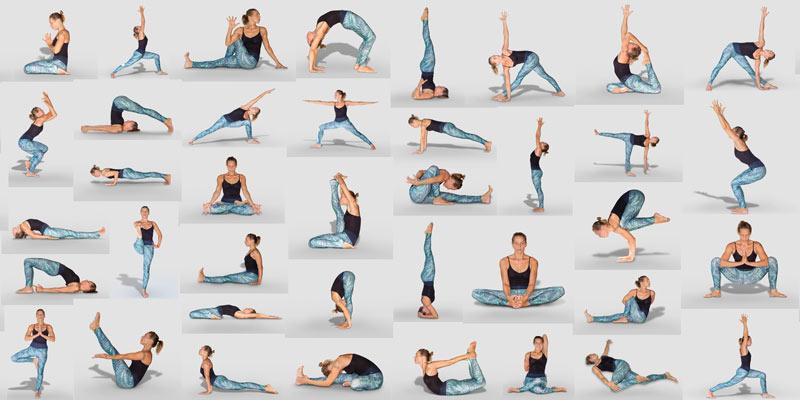

Choosing a yoga teacher training program is a significant step, whether you are preparing to teach your first class or expanding the skills you already use as an instructor. Chicago offers a wide range of training formats and teaching perspectives, including part-time programs, weekend intensives, and immersive pathways designed for different levels of experience. Chicago students can deepen their practice through instructor-focused yoga training designed to build confident, knowledgeable teachers.
The best yoga certification program is not necessarily the longest or most intensive option. It is the one that fits your goals, schedule, learning style, and values while giving you enough supervised practice to develop as a responsible teacher.
Why pursue yoga teacher training in Chicago?
Chicago provides access to a varied yoga community, with studios, wellness spaces, and community settings that expose students to different approaches to practice and instruction. Training in a large city can also make it easier to attend regular classes, workshops, and teaching demonstrations while building relationships with other practitioners.
For many students, the local community is an important part of the experience. Observing experienced teachers, practicing with different instructors, and taking part in group discussions can help you understand how teaching philosophies translate into real classes. A Chicago-based program may also be a practical choice if you hope to teach in the area after completing your training.
What a strong yoga certification program should cover
Effective teacher training goes beyond learning how to perform or demonstrate poses. Look for a curriculum that connects physical practice with teaching skills, safety, self-awareness, and an understanding of yoga’s broader traditions.
Core subjects may include:
- Functional anatomy and basic biomechanics
- Alignment, movement principles, and safe class planning
- Teaching methodology and clear verbal instruction
- Sequencing for different levels and class formats
- Pranayama, meditation, and related practices
- The history, philosophy, and ethics of yoga
- Hands-on teaching practice and constructive feedback
- Accessible and trauma-informed approaches to instruction
Practicum work is especially important. A program should give you opportunities to prepare and lead portions of classes, teach complete sessions, observe others, and receive specific feedback from trainers and peers. This process helps you develop timing, communication, confidence, and a teaching voice of your own.
How to compare Chicago teacher training programs
Before enrolling, review the program’s structure and ask detailed questions rather than relying on the title of the credential alone. Consider the following:
- Lead trainers: Learn about their teaching background, experience, and approach to mentorship.
- Curriculum: Confirm that the subjects important to you receive meaningful attention, including anatomy, philosophy, sequencing, and supervised teaching.
- Class size: Smaller cohorts may provide more opportunities for individual guidance and feedback.
- Teaching philosophy: Make sure the program’s values and lineage are compatible with your own goals.
- Practice requirements: Ask how much time is devoted to observation, teaching, assignments, and independent study.
- Credential details: Clarify what certification is awarded, what standards the program follows, and how graduates commonly use it.
- Post-training support: Look for mentorship, continuing education, career guidance, or a graduate community.
If possible, attend an information session or speak with a trainer before making a decision. You can also ask how the program supports students who are new to teaching and those who already have classroom experience. Chicago students comparing yoga certification programs can review 200-hour training costs before choosing a course.
Choosing a schedule and budget
Chicago yoga trainings vary considerably in format. An immersive program can concentrate the learning experience into a shorter period, while a weekend or part-time program may be easier to balance with work, family, and an existing practice. Choose a schedule that gives you enough time to absorb the material instead of simply completing the required sessions.
Tuition is only one part of the total cost. Also consider manuals, books, transportation, practice classes, insurance, and future continuing education. Ask whether payment plans, scholarships, or sliding-scale arrangements are available. A clear understanding of the full commitment can help you avoid choosing a program that is difficult to complete.
What to do after certification
Graduation is the beginning of your teaching practice, not the end of your education. New teachers may build experience through community classes, donation-based offerings, studio teaching, or private sessions. Over time, additional opportunities may include workshops, retreats, workplace classes, or instruction designed for particular populations.
Continuing education can help you deepen your knowledge in areas such as restorative, prenatal, therapeutic, or other specialized practices. Ongoing mentorship and self-practice are equally valuable, particularly when you are learning to adapt classes for different bodies, abilities, and experience levels.
A sustainable teaching career also involves practical skills. Scheduling, communication, client management, ethical pricing, networking, and professional boundaries all contribute to long-term success. Your certification provides a foundation, but thoughtful teaching, continued study, and genuine connection with students shape the practice that follows.
Make the decision deliberately
The right yoga training certification in Chicago should prepare you to teach with clarity, care, and confidence. Compare the curriculum, trainers, format, practice opportunities, cost, and ongoing support before enrolling. When the program matches your goals and gives you room to learn through feedback and experience, it can become a strong foundation for meaningful teaching in Chicago and beyond.