A strong yoga curriculum gives students more than a collection of individual classes. It creates a clear path for learning, supports safe physical development, and helps teachers deliver consistent experiences while remaining responsive to the people in the room. Whether you are planning a beginner course, a community class series, private instruction, or a yoga teacher-training program, the most effective curriculum begins with clear objectives and develops through deliberate practice and review.
1. Define the purpose and audience
Start by deciding what students should know, feel, or be able to do by the end of the program. A beginner series may focus on basic movement patterns, breath awareness, foundational poses, and relaxation. A program for experienced practitioners may explore more demanding transitions, meditation, or refined alignment. A teacher-training curriculum will require additional attention to anatomy, communication, sequencing, and supervised teaching.
Identify the needs and circumstances of the intended group before selecting content. Consider:
- Previous yoga experience and general fitness levels
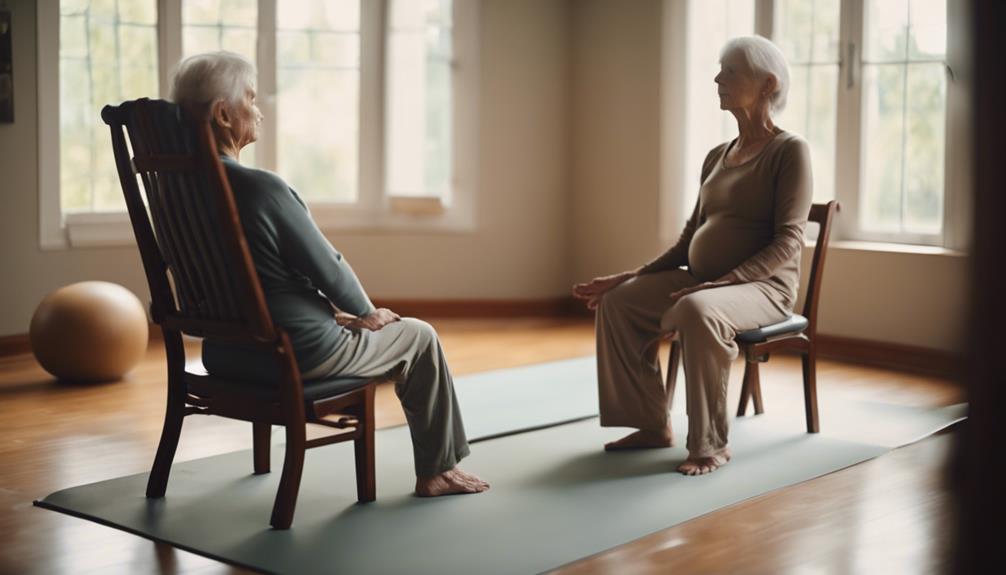
- Age range and likely mobility differences
- Physical limitations, injuries, or health-related considerations
- Class length, frequency, location, and available equipment
- Cultural context and the language used to explain practice
These decisions determine the scope of the curriculum and help you set realistic learning outcomes.
2. Organize learning into a clear progression
Students benefit when each lesson connects to what came before it. Arrange the curriculum in units or phases rather than treating every class as a separate event. An introductory progression might begin with breath, posture, foundational alignment, and simple transitions before moving toward standing sequences, balancing, backbends, inversions, restorative practices, or longer periods of meditation.
New challenges should be introduced gradually and supported by skills students have already practiced. For example, balance work can build on stable standing positions, while more complex transitions can be prepared through strength, mobility, and coordination exercises. Revisit important concepts often, but vary the context so repetition feels purposeful rather than mechanical.
A consistent class framework can make progression easier to follow. Depending on your teaching approach, a session might include centering, breathwork, warm-up movements, a focused sequence, cooling postures, and final relaxation. The framework should provide stability without forcing every class into exactly the same shape.
3. Write practical learning outcomes
Learning outcomes should describe observable or discussable progress. Instead of stating that students will “understand alignment,” specify what that means in practice: students may be able to identify key alignment considerations in a foundational posture, choose an appropriate modification, or explain how breath supports their practice.
Useful outcomes can address several dimensions of learning:
- Movement: performing poses, transitions, or breathing practices with appropriate options
- Knowledge: explaining basic principles of sequencing, anatomy, or yoga philosophy included in the course
- Awareness: noticing effort, sensation, breath, and personal limits
- Teaching: offering clear instructions, demonstrations, modifications, and class organization
Specific outcomes make it easier to choose suitable activities and review whether the curriculum is achieving its purpose.
4. Build safety and inclusion into every module
Safety should not be a separate topic reserved for an introductory lecture. Include it in the way every posture and sequence is taught. Offer more than one way to participate, explain the purpose of props, and make it clear that students can rest, reduce intensity, or choose an alternative without judgment.
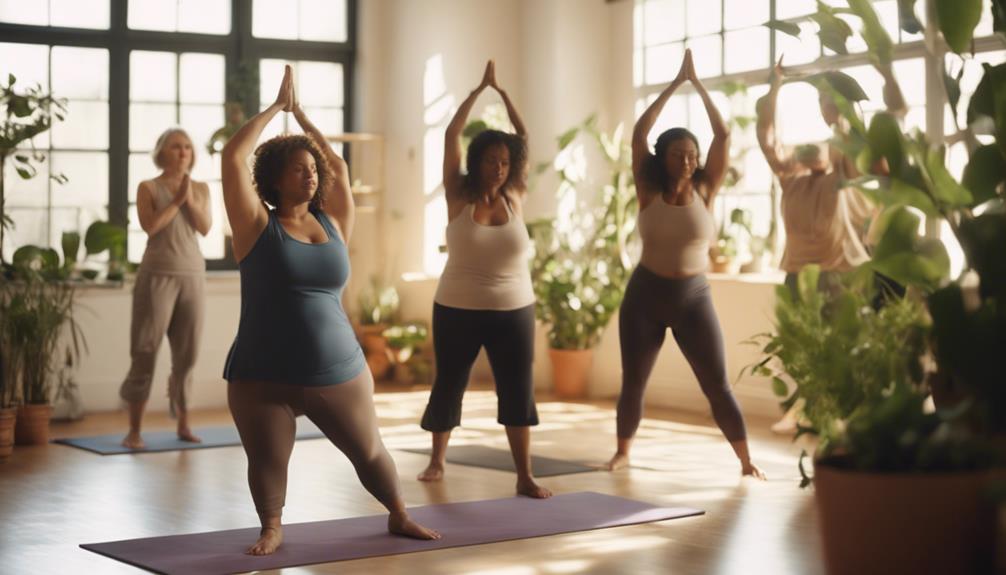
Use accessible language and avoid presenting a single body type, range of motion, or performance level as the standard. Explain relevant precautions carefully, and encourage students to work within their own experience. When a health condition or injury may affect participation, appropriate professional guidance should take precedence over a general class instruction.
For teacher-focused programs, include practice in observing students, responding to individual needs, and giving consent-aware adjustments. The goal is not to make every student perform the same shape, but to help teachers make sound, respectful decisions.
5. Include teaching practice and feedback
A teacher-training curriculum should connect theory with repeated opportunities to teach. Alongside anatomy, biomechanics, sequencing, ethics, and communication, provide assignments such as written class plans, short teaching demonstrations, peer observation, and supervised practice.
Feedback works best when it is regular, specific, and connected to the stated outcomes. Comment on clarity of instructions, pacing, inclusivity, sequencing, and the teacher’s ability to offer useful choices. Encourage reflection as well: trainees can record what they intended, what they observed, and what they would change in a future class.
6. Prepare useful planning resources
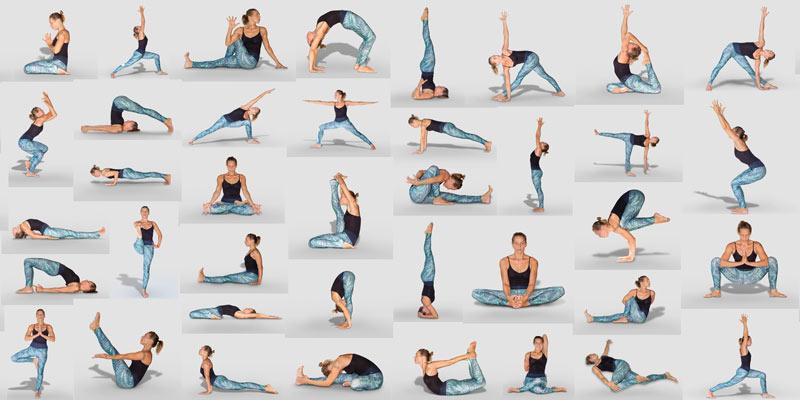
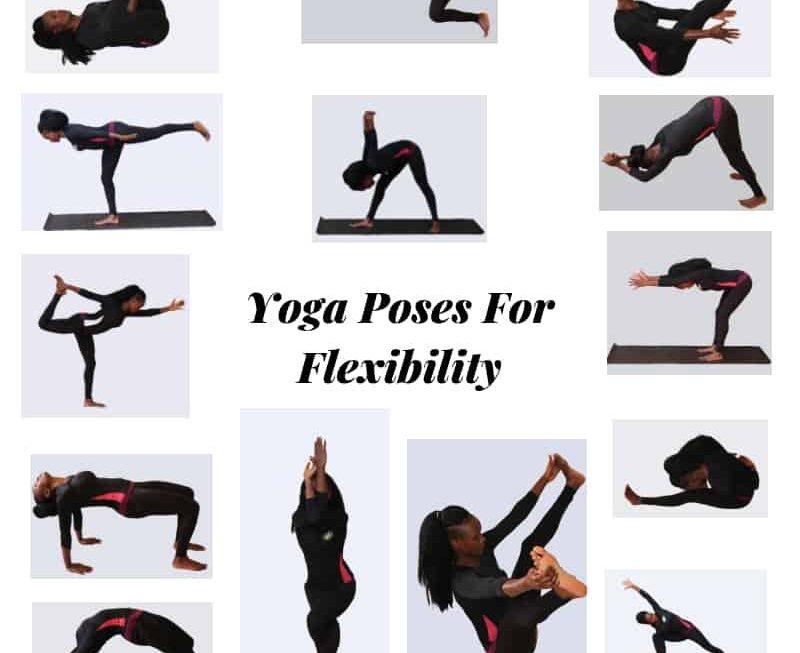
Document the curriculum so that it can be delivered consistently and revised efficiently. Useful materials may include module outlines, class-time templates, pose or theme libraries, modification notes, anatomy references, meditation scripts, and assessment criteria. Keep the resources practical enough to use while planning, rather than creating documents that are difficult to consult.
7. Review and improve the curriculum
Treat the curriculum as a working document. Gather feedback through conversations, surveys, reflective writing, or end-of-course reviews. Look for places where students feel rushed, confused, underchallenged, or unable to participate fully. Compare those observations with the original outcomes and revise the sequence, timing, language, or resources as needed.
A well-designed yoga curriculum balances structure with adaptability. It gives teachers a dependable framework while leaving room to respond to real students, real bodies, and real learning needs. By combining progressive content, clear outcomes, inclusive teaching, practical assessment, and regular review, you can create a program that supports meaningful and sustainable practice.