Yogasana refers to the physical postures practiced as part of yoga. Each pose can develop a different combination of balance, mobility, strength, body awareness, or relaxation. The best approach is not to force advanced shapes, but to practice steadily, coordinate movement with the breath, and adapt each posture to your body.
Common yogasana postures and their names
The following poses are widely recognised and can be included in a balanced practice. Their effects vary from person to person, and correct alignment is more important than how deeply you move.
- Tadasana (Mountain Pose): A standing posture that encourages an upright posture, steady breathing, and awareness of how the feet and legs support the body.
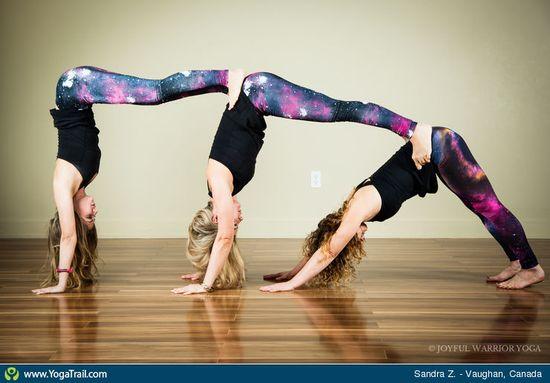
- Adho Mukha Svanasana (Downward-Facing Dog): An inverted, supported posture that lengthens the back of the body while engaging the arms and legs. Bend the knees if the hamstrings feel tight.
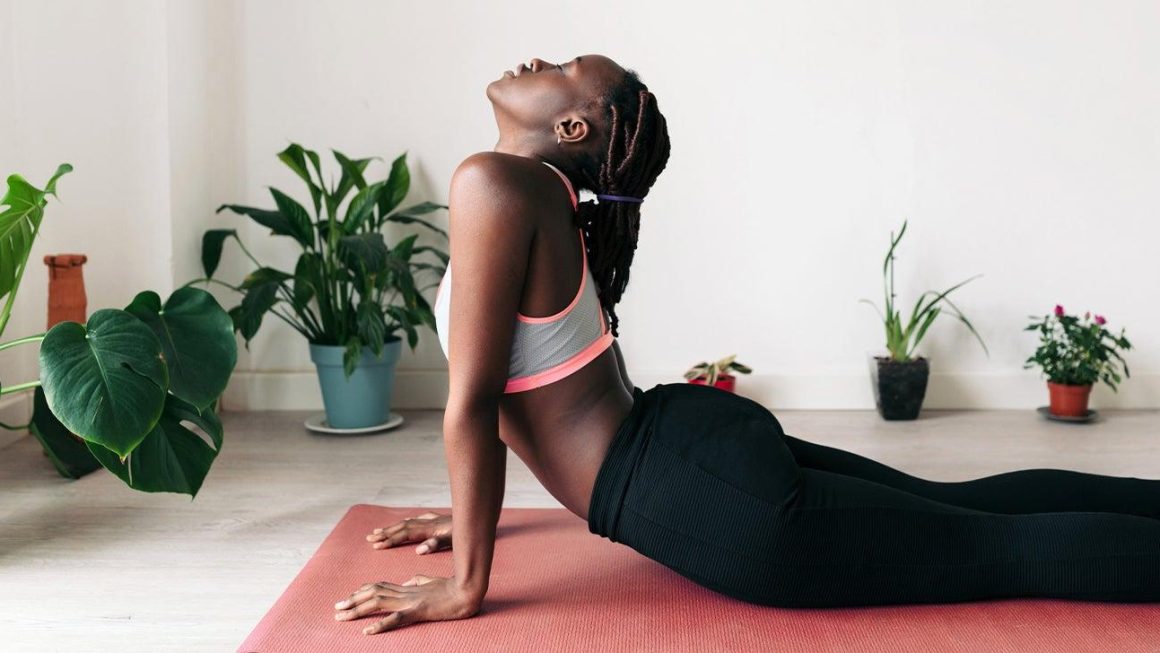
- Bhujangasana (Cobra Pose): A gentle backbend that opens the front of the chest and strengthens the back when performed with controlled movement. Keep the lift modest rather than pressing forcefully into the hands.
- Trikonasana (Triangle Pose): A standing pose involving the legs, hips, spine, and side body. Use a block or place the lower hand higher on the leg if reaching the floor causes strain.
- Vrksasana (Tree Pose): A balancing posture that develops concentration and lower-body stability. The raised foot can rest against the ankle or calf, but avoid placing it directly on the side of the knee.
- Paschimottanasana (Seated Forward Bend): A seated stretch for the back of the legs and body. Hinge from the hips and keep the spine comfortable instead of pulling yourself toward the feet.
- Shavasana (Corpse Pose): A resting posture traditionally used at the end of practice. It gives the body time to settle and encourages quiet, relaxed breathing.
How these poses can support your practice
A regular yoga routine may help you become more aware of posture, movement, breathing, and physical tension. Standing poses can build stability, balancing poses can demand focus, and stretching or resting poses can help create a calmer finish to a session. Yoga is not a replacement for medical treatment, and the benefits of practice depend on factors such as consistency, technique, individual health, and the type of routine you follow.
A simple sequence for beginners
Start with five to ten minutes and increase the duration gradually if the practice feels comfortable. Move slowly and take relaxed breaths throughout.
- Begin in Tadasana and take several steady breaths.
- Move into Adho Mukha Svanasana, adjusting the knees and hand position as needed.
- Practice Bhujangasana with a small, controlled lift.
- Try Trikonasana on both sides, using support if necessary.
- Hold Vrksasana on each side, keeping one hand near a wall for balance.
- Finish with a comfortable Paschimottanasana and then rest in Shavasana.
Practical tips for safer, more consistent yoga
- Warm up first: Gentle joint movements and easy stretches can prepare the body for stronger or deeper positions.
- Use your breath: Let the breath remain smooth. If you are holding your breath, reduce the intensity or come out of the pose.
- Respect discomfort: Stretching may feel challenging, but sharp, sudden, or worsening pain is a reason to stop.
- Use props: Blocks, straps, cushions, and a wall can make poses more stable and accessible.
- Practise consistently: A short routine that you can repeat regularly is often more useful than an occasional demanding session.
- Choose a suitable space: Practise on a stable, non-slip surface where you can move without obstacles.
When to seek guidance
People with injuries, ongoing pain, balance difficulties, or medical conditions should consider asking a qualified healthcare professional or experienced yoga teacher how to modify the practice. Pregnancy and recovery after surgery may also require specific adjustments. A posture should be adapted to the practitioner, rather than forcing the practitioner to match an idealised version of the posture.
Making yogasana part of daily life
Yogasana can be approached as more than a list of named poses. A thoughtful session combines movement, breathing, attention, and rest. Begin with postures that feel manageable, learn the basic alignment, and progress gradually. With patience and regular practice, the routine can become a useful way to develop physical awareness and create a dedicated period of calm in the day.