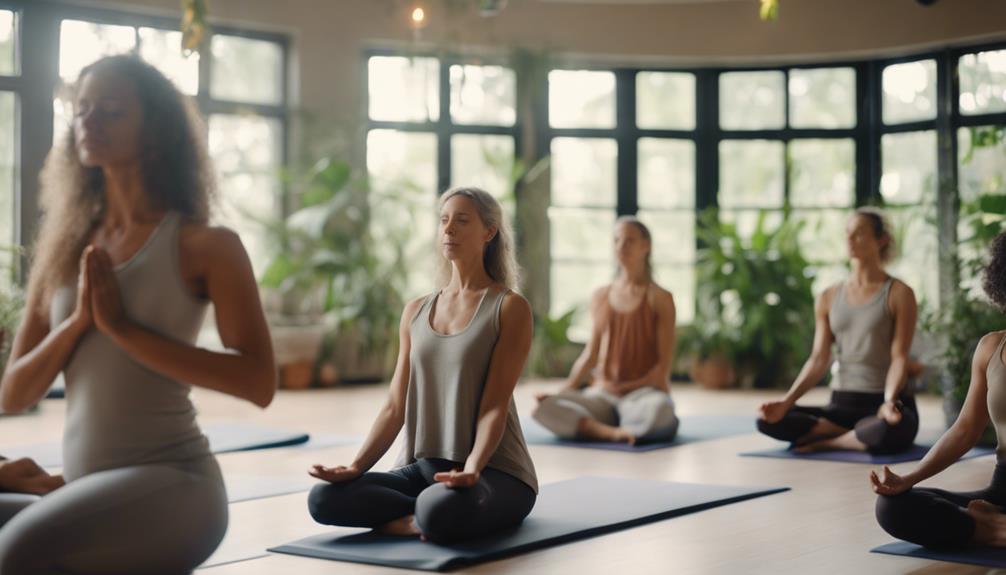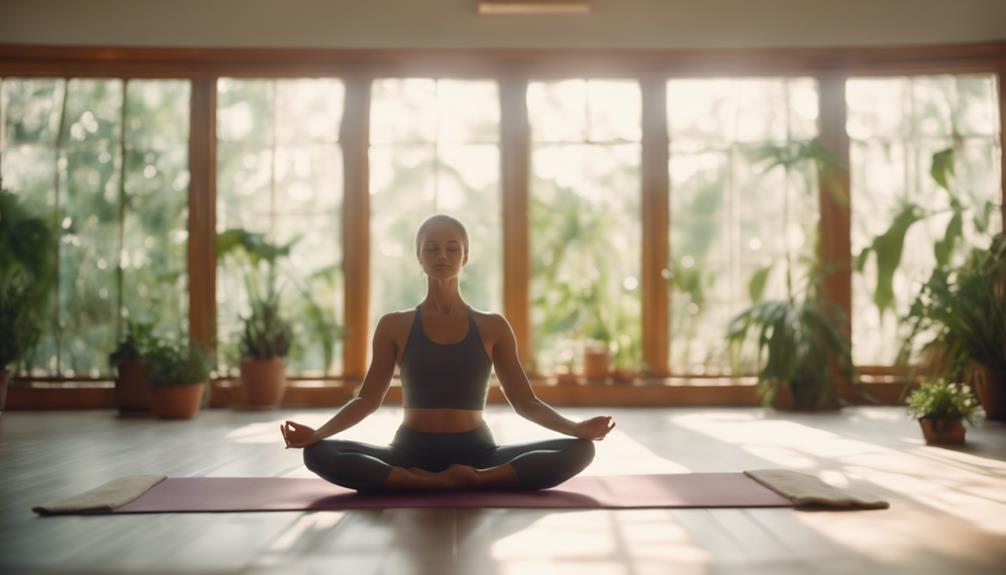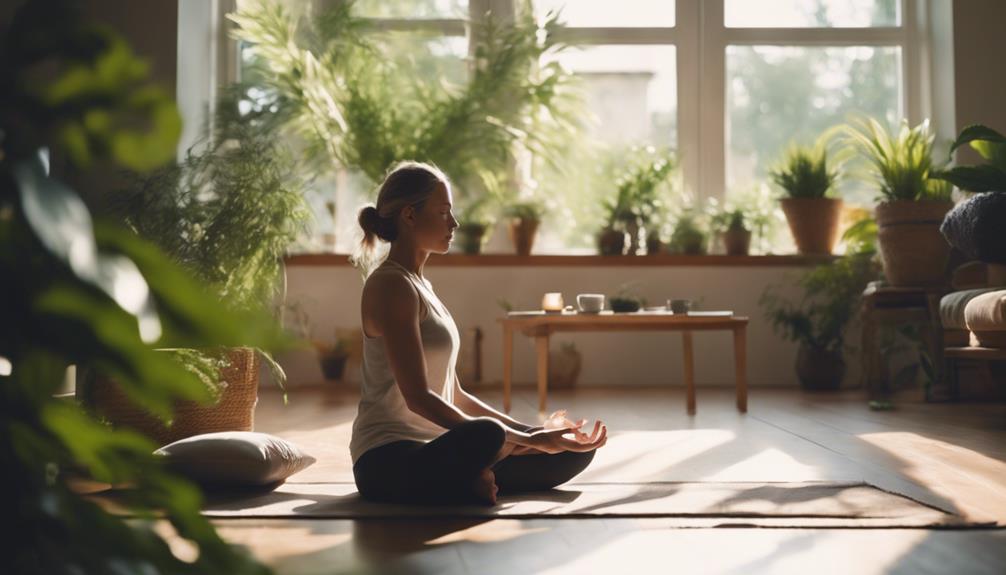

A dedicated home yoga space can make it easier to practise consistently, whether you have an entire room or only a small corner available. The goal is not to create a perfect studio. It is to arrange a comfortable, uncluttered area that helps you move safely, settle your attention, and begin without unnecessary preparation.
Choose the right location
Start by looking for a part of your home where interruptions are limited. A spare room, bedroom corner, home office, or section of a living area can work well. Try to stay away from busy walkways, loud appliances, and places where other household activities are likely to distract you.
Before setting up your mat, check that you have enough clear floor space to extend your arms and legs in different directions. You should be able to move through your usual poses without bumping into furniture, walls, or fragile objects. If space is limited, move a chair or small table temporarily rather than forcing your practice into a cramped area.
Clear the clutter
A tidy practice area can feel more inviting and reduce the number of decisions you need to make before starting. Remove items that do not belong in the space, organise loose cables, and keep unnecessary furniture to a minimum. You do not need an empty room; you simply need a floor area that is clear, safe, and easy to access.
Leave enough room to unroll your mat without rearranging the entire space. If you practise regularly, consider storing your mat and props nearby so they are ready when you are. A basket, shelf, or low cabinet can keep equipment together while preventing the area from becoming visually crowded.
Invest in a suitable yoga mat
Your mat is the main piece of equipment in a home yoga space. Choose one that gives you enough cushioning for comfort and enough grip to help you feel stable during movement. The best thickness and texture depend on your preferences, the type of yoga you practise, and how much support you want under your knees, wrists, and other joints.
It is also worth considering the mat’s size, especially if you are tall or prefer more room to change position. A mat that stays flat and does not slide easily can make your practice feel more secure. Once you have chosen one, clean and store it according to the manufacturer’s instructions so it remains pleasant to use.
Keep useful props within reach
Props can make a practice more comfortable and adaptable. Depending on what you already use, your basic collection might include:
- Yoga blocks to support the hands or bring the floor closer
- A strap to assist with reach and alignment
- A blanket for cushioning, warmth, or relaxation
- A bolster or firm cushion for supported poses
You do not need to buy everything at once. Begin with the items that support your existing practice, and store them neatly beside the mat rather than allowing them to become obstacles.
Create a calming atmosphere
The visual character of the space can influence how willing you feel to use it. Soft neutrals, muted blues, gentle greens, and other colours that you personally find relaxing may help the area feel settled. You can introduce colour through a wall, rug, cushion, artwork, or storage basket instead of redecorating the whole room.
Plants can add a natural element and make a small practice area feel more welcoming. Choose varieties that suit the light and care available in your home. A few intentional details are usually more effective than filling the room with decorations.
Scent and sound are personal choices. If you enjoy them, quiet music or a mild fragrance may help signal the beginning of practice. Use candles, incense, or essential-oil products carefully, with good ventilation and appropriate fire safety. These additions are optional; a quiet room with no added scent can be equally effective.
Pay attention to light and temperature
Natural light can make the space feel open and pleasant, so a room near a window may be appealing. However, avoid positioning your mat where direct sunlight makes you uncomfortable or where glare affects your focus. When natural light is limited, use soft, even lighting rather than harsh overhead brightness.
Keep the room at a temperature that suits your practice and clothing. Make sure the floor is dry and free of anything that could cause you to slip. These practical details matter as much as the decorative ones.
Make the space easy to use
The most successful home yoga space is one you will actually use. Keep the setup simple, accessible, and compatible with your daily routine. Even a small, dedicated corner can become a reliable place to pause, breathe, stretch, and practise. Over time, the repeated act of entering the space and unrolling your mat can help create a clear transition into your practice.