Vinyasa yoga instructor training is designed for practitioners who want to teach fluid, breath-led classes while developing a strong foundation in anatomy, communication, and responsible sequencing. Because vinyasa offers more creative freedom than styles built around a fixed series, effective training must combine inspiration with structure. The goal is not simply to memorize poses, but to learn how to create classes that are coherent, adaptable, and appropriate for the people in the room. Vinyasa training develops practical teaching focus, helping instructors refine sequencing, communication, and mindful guidance for diverse students.
What makes vinyasa teacher training distinctive?
Vinyasa classes link movement and breath through transitions. Teachers may build a class around a theme, a physical objective, or a progression toward a more demanding posture. This flexibility gives instructors room to develop their own teaching voice, but it also requires careful planning.
A well-rounded program helps trainees understand how to balance creativity with safety. You should expect to study alignment, movement patterns, pacing, and modifications alongside the artistic elements of flow. Training also encourages teachers to respond to different energy levels, experience levels, and physical needs rather than delivering every class as a fixed performance.
Core areas covered in a strong program
Although course structures vary, comprehensive vinyasa yoga instructor training commonly includes several connected areas of study:
- Anatomy and biomechanics: Learn how the body moves and how alignment, range of motion, and loading can affect a student’s practice.
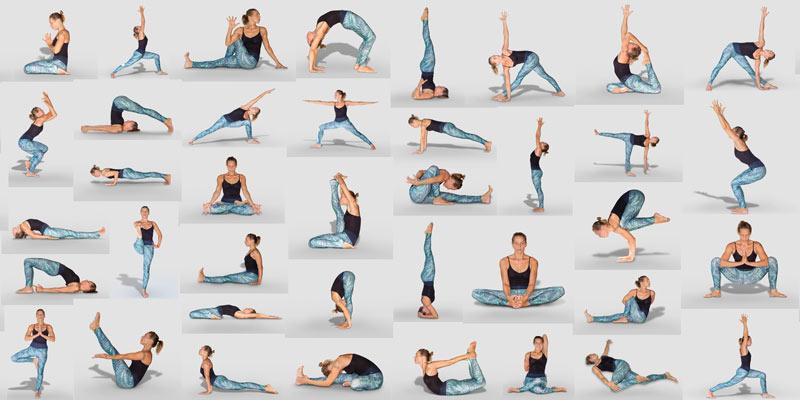
- Sequencing: Explore warm-ups, transitions, thematic arcs, peak-pose preparation, and balanced closing sections.
- Teaching methodology: Practice structuring a class, managing time, demonstrating postures, and adapting plans when circumstances change.
- Verbal cueing: Develop clear, concise language that helps students understand actions without overwhelming them with information.
- Modifications and accessibility: Learn to offer options for different bodies, abilities, experience levels, and comfort zones.
- Yoga philosophy and subtle practices: Many programs include philosophy, pranayama, meditation, and related practices to broaden a trainee’s understanding of yoga.
Why practice teaching matters
Reading about teaching is not enough to prepare someone to lead a room. Look for a course that includes regular practice teaching, observation, and constructive feedback. Trainees should have opportunities to write class plans, teach portions of a session, receive guidance, and revise their approach.
These exercises develop more than technical skill. They help new instructors find a natural speaking style, become more comfortable giving demonstrations, and learn how to observe students while continuing to guide the class. Feedback from experienced teachers and peers can also reveal whether a sequence is too rushed, unclear, repetitive, or physically demanding.
Certification and professional preparation
Many vinyasa instructor training programs are structured around a 200-hour teacher-training curriculum, while others offer shorter or more specialized courses. If a credential is important to your plans, review exactly what the program includes, how assessment is handled, and whether its standards align with the studios, registries, or professional networks you hope to work with. Requirements can differ, so avoid assuming that every certificate has the same recognition. Those completing vinyasa instructor training can explore Houston yoga certification pathways to deepen credentials and teaching opportunities.
A useful program may also address the practical side of teaching. Topics can include lesson planning, communicating with studios, setting boundaries, scheduling, basic business considerations, insurance questions, marketing, and continuing education. These subjects do not replace teaching experience, but they can make the transition from trainee to working instructor more manageable.
How to compare training options
Before enrolling, compare the program’s format, teaching team, workload, and areas of emphasis. Consider the following questions:
- Is the training residential, part-time, online, or a combination of formats?
- How much supervised teaching and individual feedback is included?
- What experience and teaching background do the lead instructors bring?
- How large are the cohorts, and how accessible are mentors?
- Does the curriculum focus mainly on creative flow, or does it also address anatomy, inclusivity, and modifications?
- What assessment or practicum must students complete?
- Does the schedule allow enough time for study, practice, and recovery?
Your choice should reflect the kind of teacher you hope to become. A program centered on energetic sequencing may suit someone drawn to dynamic studio classes, while a course with stronger emphasis on adaptation, restorative work, or therapeutic applications may better match another teaching path.
Continuing development after graduation
Completing vinyasa yoga instructor training is a foundation, not a final qualification in every area of teaching. Continued study can help instructors deepen their anatomy knowledge, improve sequencing, and build confidence with specific populations or teaching environments. Additional workshops, mentorship, observation, and regular personal practice all provide ways to keep learning.
New teachers also benefit from reflecting on their classes and inviting thoughtful feedback. Over time, this process can lead to clearer communication, more sustainable teaching habits, and a style that feels both authentic and responsive. The strongest training choice is one that prepares you not only to lead your first class, but also to keep growing with care and professionalism.