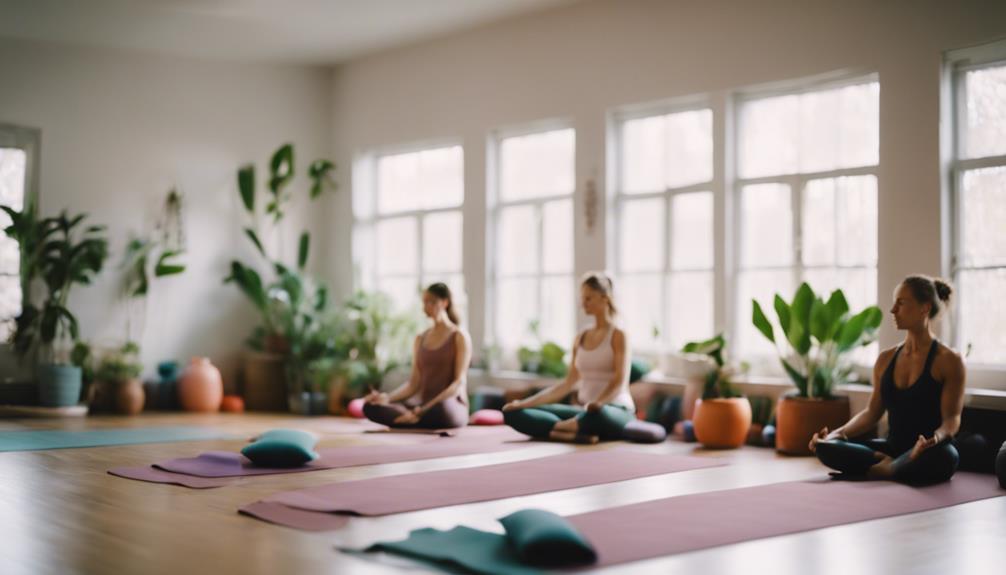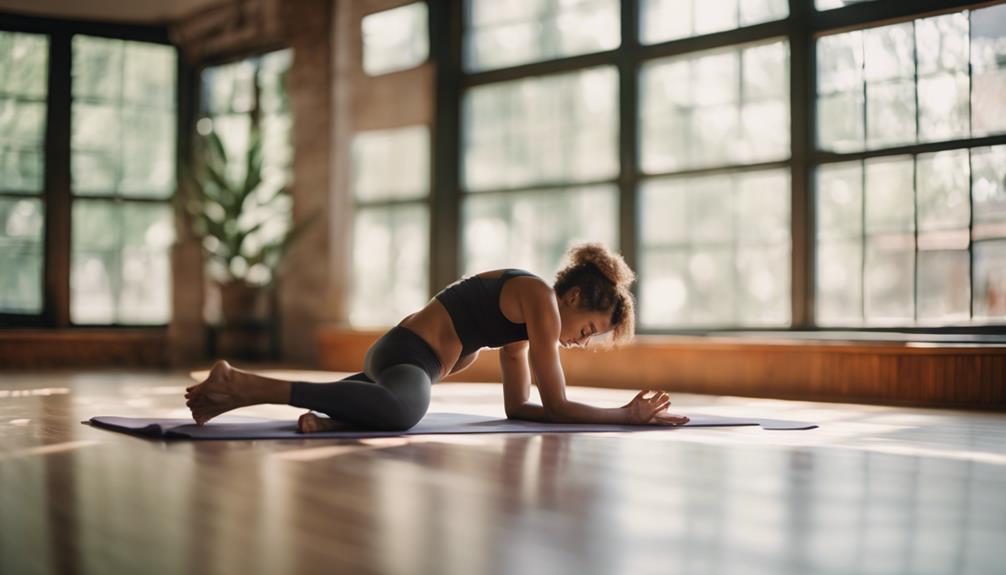
Can yoga make you more flexible? For many people, the answer is yes. A consistent yoga practice can help improve range of motion, reduce feelings of stiffness, and make everyday movements feel more comfortable. The results are usually gradual rather than immediate, and they depend on factors such as your starting point, practice routine, age, previous injuries, and the type of yoga you choose. Improved flexibility is one of yoga’s broader health benefits, supporting mobility, balance, and everyday physical comfort.
Yoga is not simply a collection of stretches. It combines movement, controlled breathing, balance, strength, and body awareness. Together, these elements can help you explore movement more comfortably and reduce the muscular tension that limits a pose or joint position.
How yoga may improve flexibility
Flexibility describes how much movement is available at a joint or across a group of muscles. That range is influenced by muscle length, connective tissues, joint structure, strength, and the nervous system’s response to stretching.
When you practise yoga regularly, you spend time moving through controlled ranges of motion and holding certain positions while breathing steadily. This may help your body become more comfortable with those positions. Over time, muscles can adapt to repeated movement, while improved relaxation and body awareness may reduce the instinct to brace against a stretch.
Yoga can also support mobility, which is your ability to actively control a range of motion. This distinction matters: being able to relax into a deep position is not the same as having the strength and control to move there safely. Yoga’s combination of stretching and active movement can address both aspects.
Which types of yoga are useful for flexibility?
No single style is best for everyone. The most useful class is one that matches your goals, experience, and ability to practise consistently.
- Hatha yoga: Often gives you time to learn postures, alignment, and breathing at a measured pace.
- Iyengar-style practice: Emphasises precision, alignment, and modifications, which can help you explore poses with greater control.
- Yin yoga: Uses longer, quieter holds. It may suit people who want a slower practice, although deep or prolonged positions should still be approached carefully.
- Restorative yoga: Uses supported positions and relaxation. It may help reduce general tension, even when the goal is not intense stretching.
- Vinyasa or other flowing practices: Link movement with breathing and can improve active mobility, coordination, and strength as well as flexibility.
A balanced routine may include dynamic movement, moderate holds, and strength-building postures. You do not need to choose the most physically demanding class to make progress.
How to practise safely
Regular, manageable practice is generally more useful than occasional sessions in which you force yourself into uncomfortable positions. Begin with gentle movement to warm up, such as walking, joint circles, or an easy sequence of yoga poses. Then gradually move toward positions that challenge your range of motion. For practical ways to improve flexibility, explore these flexibility-focused movements and add them gradually to your yoga routine.
A productive stretch should feel noticeable but controlled. You should be able to breathe steadily and avoid sharp, pinching, or burning sensations. Do not use momentum to force a pose, and do not treat another person’s range of motion as a target. Props such as blocks, straps, bolsters, and folded blankets can make positions more accessible and reduce the temptation to overreach.
Strength is also important. Strengthening the muscles around a joint can help you control any new range of motion instead of relying on passive flexibility alone. Rest and recovery matter as well, particularly if you are combining yoga with other training.
How long does it take to become more flexible?
Some people notice reduced stiffness or easier movement within a few weeks of regular practice. Larger, more lasting changes commonly require months of steady work. Progress may be uneven: one area can improve quickly while another remains restricted because of previous injury, differences in anatomy, or long-standing movement habits.
Rather than judging progress by how deeply you can perform a pose, look for practical changes. You may find it easier to reach overhead, sit comfortably, turn your torso, bend down, or move through daily activities. Taking occasional notes or comparing your movement over time can be more useful than trying to improve every session.
When to seek guidance
If you have an injury, persistent pain, a health condition, or significant joint instability, consider getting advice from an appropriate healthcare professional before beginning an intensive flexibility routine. A qualified yoga teacher can also offer modifications, but yoga instruction should not replace medical assessment when pain or injury is involved.
Yoga can improve flexibility for many people, especially when it is practised patiently and consistently. Focus on comfortable movement, steady breathing, useful strength, and gradual progress. The goal is not to force your body into a particular shape, but to develop greater freedom and control in the movements that matter to you.