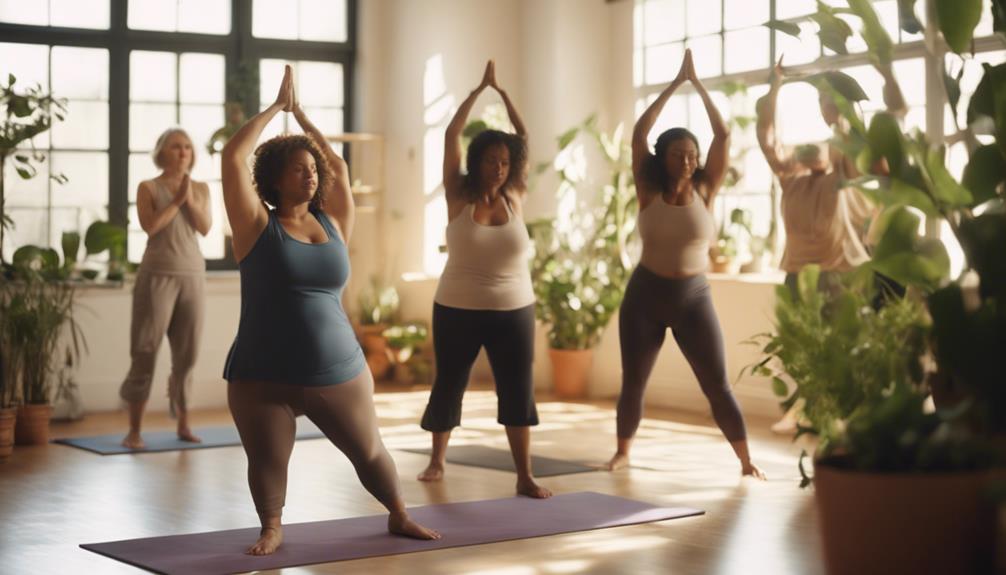
A core class can be a useful addition to a yoga, Pilates, or general fitness routine. Rather than focusing only on visible abdominal muscles, a well-designed session trains the muscles that support the trunk, including the abdominals, obliques, lower back, and pelvic floor. The emphasis is usually on controlled movement, balance, breathing, and stability.
If you are searching for “core workouts near me,” it helps to look beyond the class name. Different studios use the term core for everything from yoga-based strength sessions to fast-paced conditioning workouts. Understanding the format, teaching style, and level of instruction makes it easier to find a class that suits your body and your goals.
What happens in a core class?
Most core classes begin with a warm-up for the spine, hips, and shoulders. The main portion may include exercises such as planks, controlled abdominal movements, side-body work, balance drills, and rotational exercises. Yoga-inspired sessions may also incorporate poses such as boat pose or modified plank variations.
The strongest classes prioritise movement quality rather than rushing through a high number of repetitions. Instructors may cue students to maintain steady breathing, control the position of the pelvis, and avoid placing unnecessary strain on the neck or lower back. Props such as blocks, straps, small weights, or resistance bands may be used to support alignment or add an appropriate challenge.
Potential benefits of regular core training
Core strength contributes to the stability needed for many everyday movements, including bending, lifting, walking, and changing direction. Training that combines strength with body awareness may also complement activities such as yoga, running, cycling, and recreational sports.
Depending on the class and your starting point, you may use core training to work toward:
- Improved trunk stability and balance
- Greater awareness of posture and alignment
- Better control during yoga poses and other forms of exercise
- Improved muscular endurance for daily activities
- A more varied and structured fitness routine
Results depend on consistent practice, suitable progression, and the quality of your technique. A core class should complement your overall movement routine rather than replace mobility work, cardiovascular activity, or rest.
Core class formats to consider
Yoga-based core classes
These sessions combine breath-led movement, yoga postures, and targeted strengthening. They may suit people who enjoy a mindful pace and want to connect core stability with balance, flexibility, and alignment.
Pilates-inspired classes
Pilates-style sessions often focus on controlled activation, precise positioning, and repeated movements performed with concentration. Some studios offer mat classes, while others use specialist equipment. Check the description before booking so you know what to expect.
Strength or sculpt classes
These may include weights, resistance bands, cardio intervals, or longer endurance-based sequences. They can feel more athletic and fast-paced than a traditional yoga class, although the exact intensity varies by instructor and studio.
How to find a suitable class near you
Begin with searches such as “core class,” “core workouts near me,” or “yoga core class” combined with your town, neighbourhood, or preferred studio. Then review the full class description instead of relying on the title alone. Look for information about intensity, duration, equipment, experience level, and whether modifications are offered.
It is also worth checking:
- Whether the instructor explains progressions and easier alternatives
- Whether the class is suitable for beginners or assumes previous experience
- What equipment you need to bring
- Whether the studio offers a drop-in class or introductory option
- How the session fits with your existing yoga or fitness schedule
If you have a previous injury, ongoing pain, or a specific concern involving your back or pelvic floor, contact the studio before attending. Ask how the instructor adapts exercises and whether professional individual guidance would be more appropriate.
Preparing for your first session
Wear clothing that allows you to move freely and bring a mat if the studio does not provide one. Arrive early enough to introduce yourself and mention any limitations to the instructor. During class, ask for clarification when a movement feels unclear and choose a modification when the full version compromises your breathing or alignment.
A good class should leave you feeling challenged but capable, not pressured to compete with the people around you. Pairing a demanding core session with a gentler yoga or mobility class can provide variety and give your body time to recover. The best choice is ultimately the class whose pace, instruction, and format support your goals consistently.