
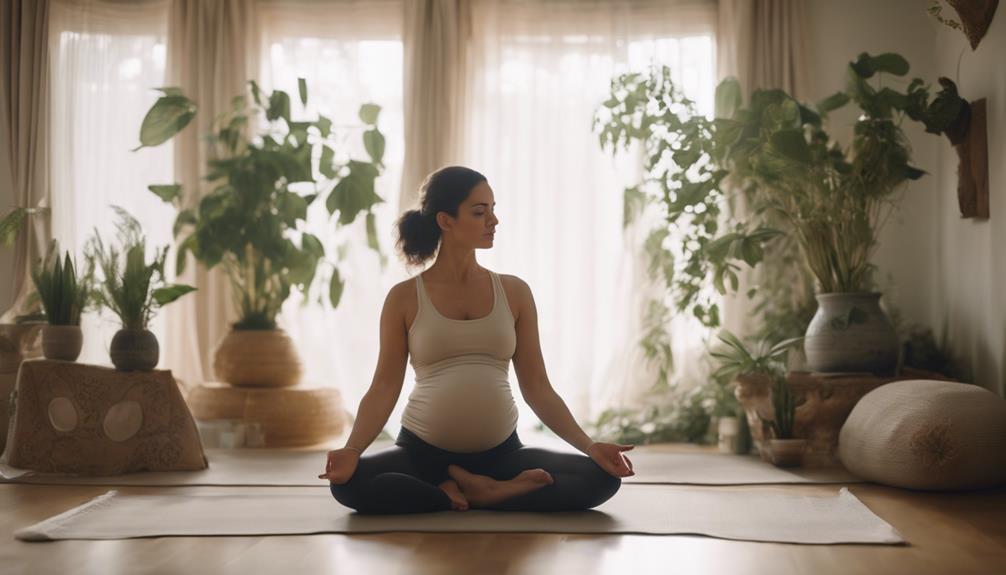
When ongoing pressure begins to affect your sleep, concentration, mood, or ability to enjoy everyday life, a short break may not be enough. A burnout retreat can provide protected time to slow down, reflect on what has become unsustainable, and practise healthier ways to respond to stress. Choosing a retreat near home may make that process easier by reducing travel demands and making follow-up support more accessible.
Why consider a nearby burnout retreat?
Burnout is often connected to routines, responsibilities, and boundaries that continue after a holiday ends. A retreat creates distance from those routines while offering a structured setting for rest and learning. Staying relatively close to home can have practical benefits:
- Less travel time and fewer logistical demands before the programme begins
- An easier transition back to family, work, or other responsibilities
- Potential access to local workshops, classes, or follow-up sessions
- A familiar location that may feel more comfortable if long-distance travel increases anxiety
Being nearby does not automatically make a retreat effective, however. The programme’s approach, staff, schedule, and suitability for your needs matter more than distance alone.
What a yoga-focused retreat may include
Yoga retreats designed around stress recovery often combine gentle movement with practices that encourage rest and awareness. Depending on the provider, the schedule may include restorative or slower-paced yoga, breathing exercises, guided relaxation, meditation, journaling, nature walks, and periods of unstructured downtime.
Some programmes also include discussion groups, coaching, or therapeutic support. These elements can help participants examine contributing factors such as excessive workload, difficulty setting boundaries, disrupted sleep, or a pattern of putting personal needs last. Ask in advance whether the sessions are educational, therapeutic, or both, and whether the instructors are qualified to provide the services advertised.
How to compare stress and anxiety retreats
Burnout and anxiety can overlap, but they are not identical experiences. A retreat focused on burnout may emphasise rest, workload patterns, energy management, and sustainable routines. An anxiety-oriented programme may give more attention to worry, panic symptoms, emotional regulation, or specific therapeutic techniques.
When comparing options, look for clear, specific information about:
- The qualifications and roles of instructors, counsellors, or therapists
- The daily timetable, including how much time is reserved for rest
- Whether beginners and people with physical limitations can participate
- The balance between yoga, discussion, therapy, meals, and personal time
- Accommodation, accessibility, dietary arrangements, and cancellation terms
- Any screening, intake forms, or health information required before arrival
- Follow-up options after the retreat has ended
Testimonials can offer useful impressions, but treat them as personal experiences rather than guarantees. Be cautious of programmes that promise instant recovery, describe serious mental-health concerns as something that can be solved through relaxation alone, or do not explain who is responsible for therapeutic care.
Preparing for the experience
A retreat is easier to benefit from when the return home is considered beforehand. If possible, reduce unnecessary commitments immediately before and after the programme. Tell relevant people when you will be unavailable, arrange essential responsibilities in advance, and avoid planning a demanding schedule for your first day back.
Comfortable clothing, a notebook, and any personal items that support sleep or relaxation may be useful. You can also arrive with a few questions: What signs tell me that I am approaching overload? Which commitments need to change? What small practice could I realistically continue at home?
Turning retreat practices into everyday habits
The value of a retreat depends partly on what remains practical after it ends. Rather than trying to continue every activity, choose one or two manageable habits. These might include a brief breathing practice, gentle stretching before bed, a regular period without screens, or a weekly yoga class. A simple plan is more sustainable than an ambitious routine that creates another source of pressure.
If burnout symptoms are severe, persistent, or accompanied by depression, panic, thoughts of self-harm, or an inability to function safely, seek help from a qualified healthcare or mental-health professional. A retreat may complement appropriate care, but it should not be treated as a substitute for it. The best local option is one that offers realistic support, respects your limits, and helps you build changes that can continue long after the retreat ends.