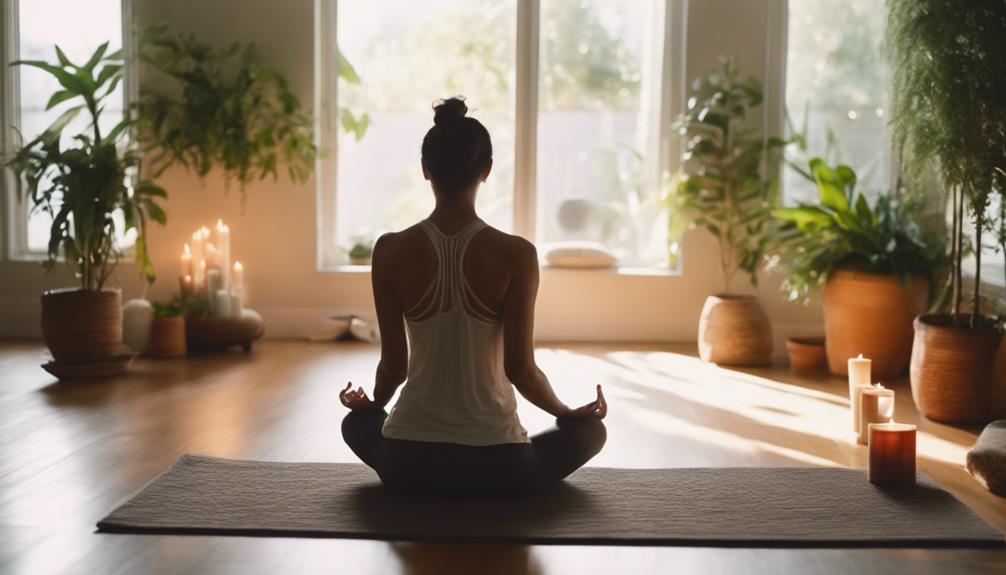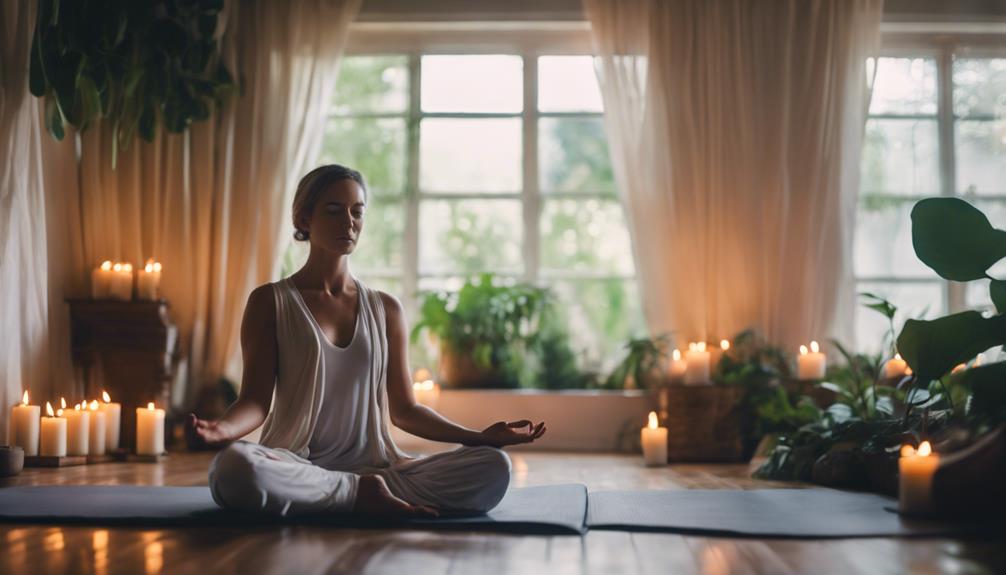
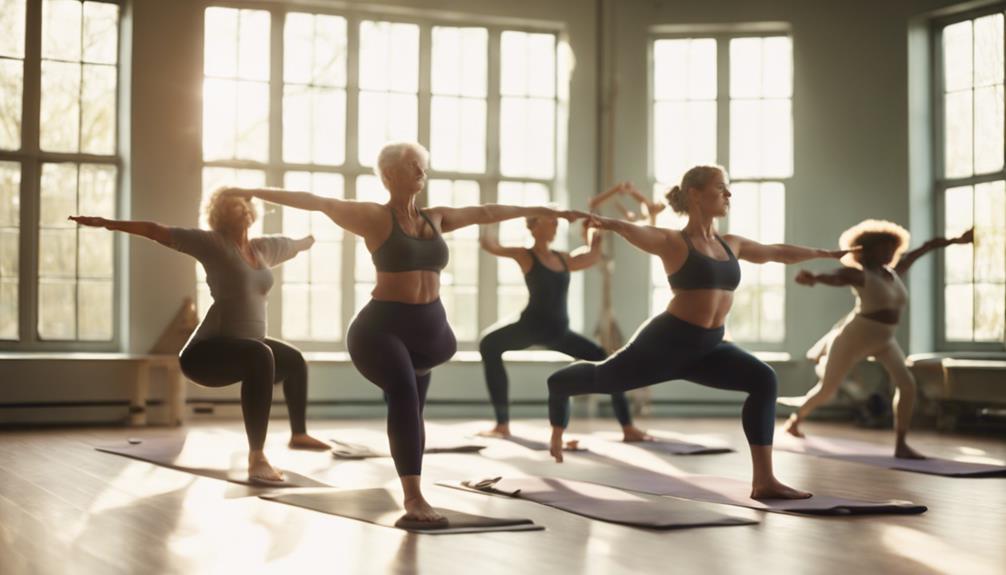
Yoga can offer practical tools for coping with anxiety by combining movement, breathing, and focused attention. It is not a cure or a substitute for professional mental-health care, but a gentle, consistent practice may help some people notice tension earlier, settle physical arousal, and respond to anxious thoughts with greater steadiness.
How yoga may support anxiety management
Anxiety often affects both the mind and the body. Worry may be accompanied by rapid breathing, muscle tension, restlessness, a racing heartbeat, or difficulty concentrating. Yoga addresses several of these experiences at once.
- Slow movement can ease stiffness and bring attention away from repetitive thoughts.
- Steady breathing may help reduce the sense of urgency that often accompanies stress.
- Focused attention encourages you to notice sensations and thoughts without immediately reacting to them.
- Body awareness can make it easier to recognise early signs of anxiety and use a coping strategy before distress escalates.
These benefits are not identical for everyone. Some people feel calmer after yoga, while others may initially find certain poses, breath exercises, or group settings uncomfortable. The most helpful approach is usually one that feels predictable, supported, and adaptable.
Which types of yoga may feel calming?
If your main goal is to manage anxiety, consider practices that emphasise ease rather than performance. Restorative yoga uses props such as blankets, bolsters, and blocks to support the body in restful positions. Gentle Hatha yoga typically moves at a slower pace, with attention to alignment and breathing. Yin-style practices use longer holds and may feel meditative, although extended stillness is not comfortable for everyone.
A vigorous class is not necessarily unsuitable, but fast transitions, intense effort, or a crowded environment may feel overstimulating during periods of high anxiety. Try a shorter or gentler session first, and choose an instructor who welcomes modifications and does not pressure participants to remain in a pose.
Breathing and mindfulness practices
Simple breathing is often a useful place to begin. Sit or lie in a comfortable position and allow the breath to become quiet and unforced. You might try breathing in gently for a count of four and breathing out for a count of six, repeating for several rounds. If counting makes you tense, abandon the count and simply allow the exhale to be a little longer than the inhale.
Other yoga classes may include diaphragmatic breathing, alternate-nostril breathing, meditation, or a body scan. These practices are optional, not tests of concentration. If focusing on your breath increases panic, shift your attention to contact points such as your feet on the floor, the support beneath your back, or sounds in the room.
A gentle routine for anxious moments
The following sequence can be shortened or modified. Move slowly and stop if a position causes pain, dizziness, or increasing distress.
- Arrive: Sit in a supported position and notice three things you can see, hear, or feel.
- Breathe: Take five to ten comfortable breaths, allowing the shoulders and jaw to soften.
- Release tension: Roll the shoulders gently and turn the head from side to side without forcing the range of motion.
- Move: Try a few rounds of slow cat-cow movement, or remain seated and stretch the arms and upper back.
- Ground: Practise a supported forward fold or rest in child’s pose with the chest supported by cushions, if comfortable.
- Finish: Lie down or sit supported for a few minutes, noticing the sensation of the body being held by the floor or chair.
There is no need to be flexible or complete a long session. Five to fifteen minutes practised regularly may be more realistic and useful than an occasional demanding workout. Keep the focus on comfort, steady attention, and learning what helps you feel safe in your body.
Making yoga part of an anxiety-care plan
Yoga works best as one part of broader support. Sleep, regular movement, nourishing meals, time with supportive people, and evidence-based psychological treatment can all contribute to managing anxiety. If anxiety is persistent, interferes with daily life, or includes frequent panic, speak with a qualified mental-health professional. Do not stop prescribed medication or replace therapy with yoga without discussing it with your clinician.
A trauma-sensitive class may be helpful if you have a history of trauma or feel uneasy with hands-on adjustments, closed-eye practices, or unexpected changes. You can tell the instructor what you need, decline physical adjustments, keep your eyes open, or leave a pose at any time.
Measure progress by practical changes rather than by achieving advanced poses. You might notice that you recover from stressful moments more quickly, sleep more comfortably, recognise tension sooner, or feel more able to return attention to the present. Those small changes can make yoga a useful, sustainable support for anxiety.