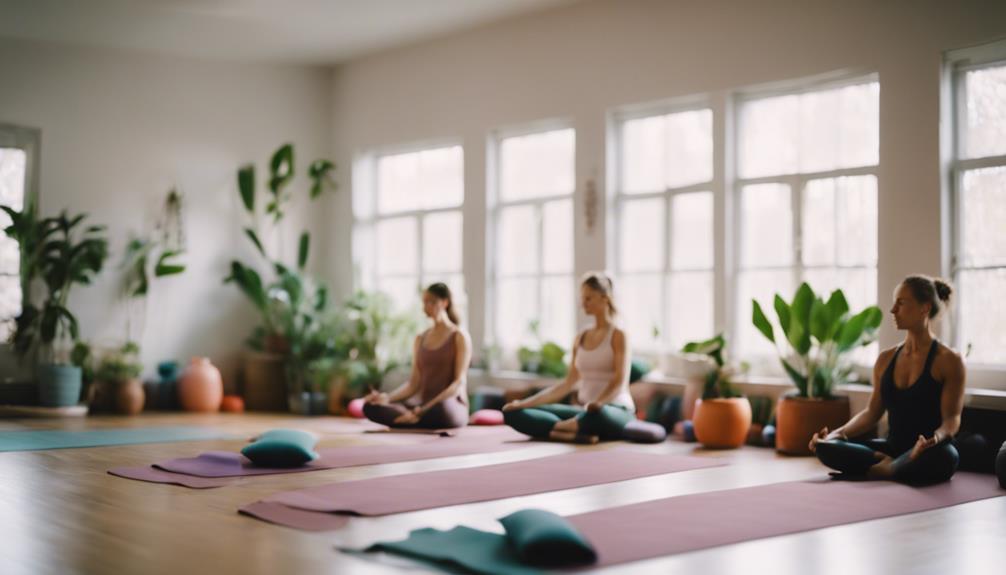
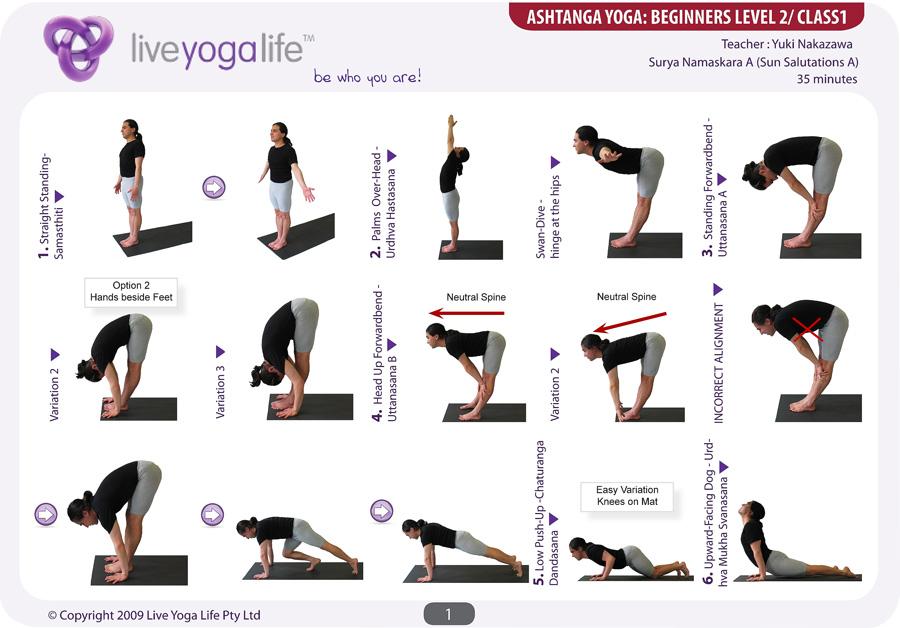
Long periods of sitting, stress-related shoulder tension, and weak supporting muscles can make it harder to maintain a comfortable, upright posture. A practical routine does not need to be intense or time-consuming. Combining gentle back posture stretches with exercises for the upper back, core, and hips can improve mobility and make good alignment easier to maintain throughout the day. For broader wellness beyond back posture stretches, explore health-focused yoga and its benefits for mobility and strength.
The goal is not to force your spine into a rigid position. Healthy posture involves being able to move comfortably, breathe freely, and change positions without excessive strain. Use the following routine as a starting point, adjusting the range of motion and duration to suit your body.
Why posture work should include both mobility and strength
Stretching can ease tightness in areas that commonly pull the body forward, including the chest, shoulders, hips, and front of the thighs. Strength exercises help the muscles around the shoulder blades, spine, pelvis, and abdomen provide support when you sit, stand, or move.
Yoga-inspired movement can be useful because it combines controlled motion, breathing, body awareness, and strength. However, no single stretch or pose fixes posture on its own. Consistent practice and regular movement during the day are more useful than occasional, demanding sessions.
Back posture stretches to try
Cat-cow movement
Begin on your hands and knees with your wrists below your shoulders and knees below your hips. Slowly round your back as you exhale, then move toward a gentle arch as you inhale. Keep the movement comfortable rather than trying to reach an extreme position. Continue for six to ten slow repetitions to warm the spine and reduce stiffness.
Chest and shoulder opener
Stand or sit tall and clasp your hands behind your back, if comfortable. Draw the shoulder blades gently toward one another without forcing the shoulders down. Lift the breastbone slightly and take several relaxed breaths. If clasping your hands is difficult, hold a towel between them or simply place your hands behind your body.
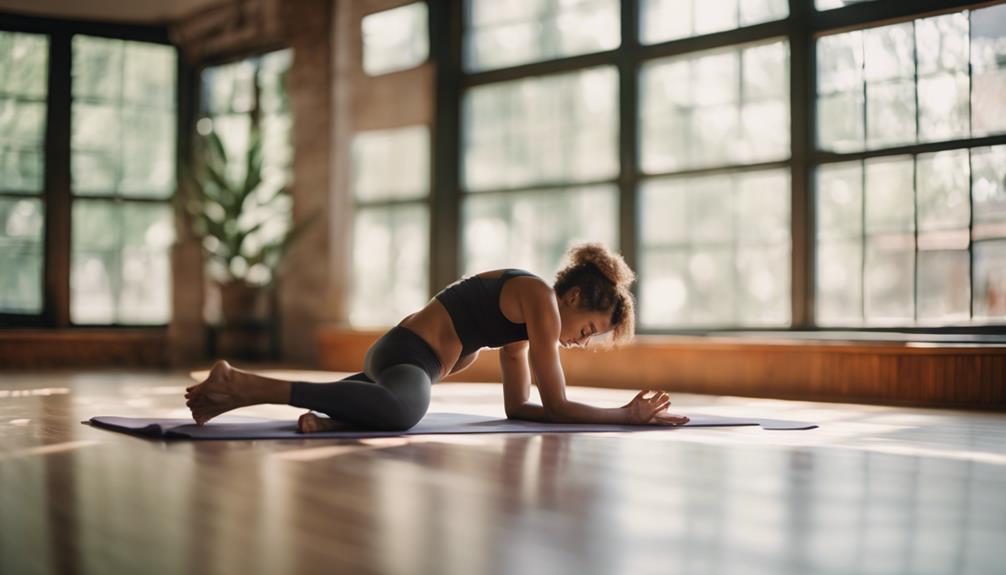
Child’s pose with side reach
From a kneeling position, sit your hips back toward your heels and extend your arms forward. Move both hands a little to one side to create a stretch along the opposite side of your back and ribs. Breathe slowly, then switch sides. Use a cushion under the hips or knees if needed. These back posture stretches also illustrate yoga’s broader purpose: improving alignment, mobility, breathing, and mindful body awareness.
Gentle bridge
Lie on your back with your knees bent and feet on the floor. Tighten your abdominal muscles lightly, press through your feet, and lift your hips only as high as you can without pinching the lower back. Pause briefly, lower with control, and repeat eight to twelve times. This movement trains the glutes and the back of the body while encouraging control around the pelvis.
Exercises to strengthen the back and support posture
- Bird dog: From hands and knees, extend one arm and the opposite leg. Keep your hips level, hold for a few seconds, and return slowly. Alternate sides for six to eight repetitions.
- Wall angels: Stand with your back against a wall if comfortable. Bend your elbows and slowly slide your arms upward and downward without shrugging. Work within the range that allows you to keep control.
- Prone or standing row: Use a resistance band or light weights to draw your elbows back while keeping your shoulders relaxed. Focus on moving from the upper back rather than jutting the chin forward.
- Forearm plank: Support yourself on your forearms and toes or knees. Keep the ribs and pelvis controlled, breathe normally, and stop before your lower back begins to sag.
These exercises can be performed two or three times per week, while gentle mobility work may be included more often. Start with one set and prioritize smooth, controlled movement over repetitions or resistance.
A simple routine for daily posture care
A five- to fifteen-minute routine can be enough to create a regular habit. Begin with cat-cow movements, then perform a chest opener and a child’s pose variation. Follow with bridges, bird dogs, and wall angels. Finish by standing quietly for a few breaths, allowing the head to balance over the shoulders rather than pushing the chest forward.
Daily habits matter as much as planned exercise. Change position regularly, take short walking or standing breaks, and place screens at a height that does not require constant neck bending. Keep your feet supported when seated and avoid trying to hold a stiff, exaggerated posture for long periods.
When to get professional guidance
Move slowly and stop if an exercise causes sharp, spreading, or worsening pain, numbness, or unusual weakness. If back pain is persistent, follows an injury, or limits normal activities, speak with a healthcare professional before beginning a new program. A qualified physical therapist or yoga instructor can also modify these movements for injuries, limited mobility, or specific posture concerns.
With steady practice, a combination of back posture stretches, strengthening exercises, and regular movement breaks can help you feel more mobile and supported. The most effective routine is one you can perform consistently and comfortably.