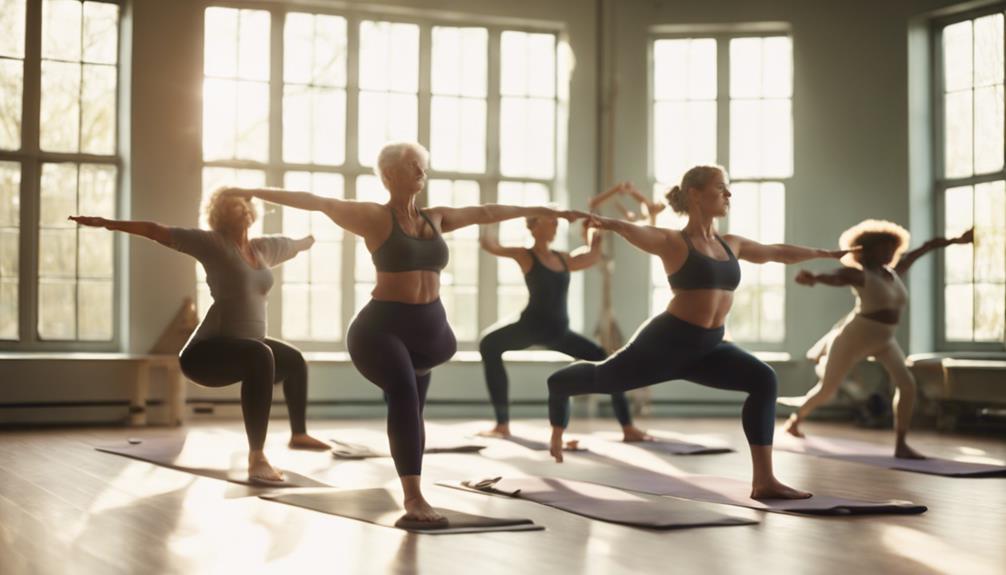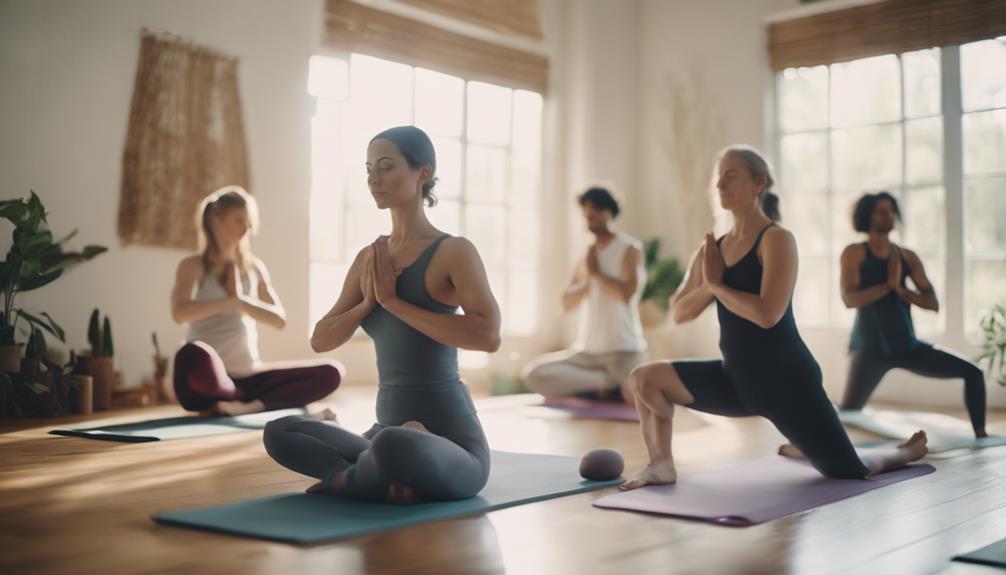
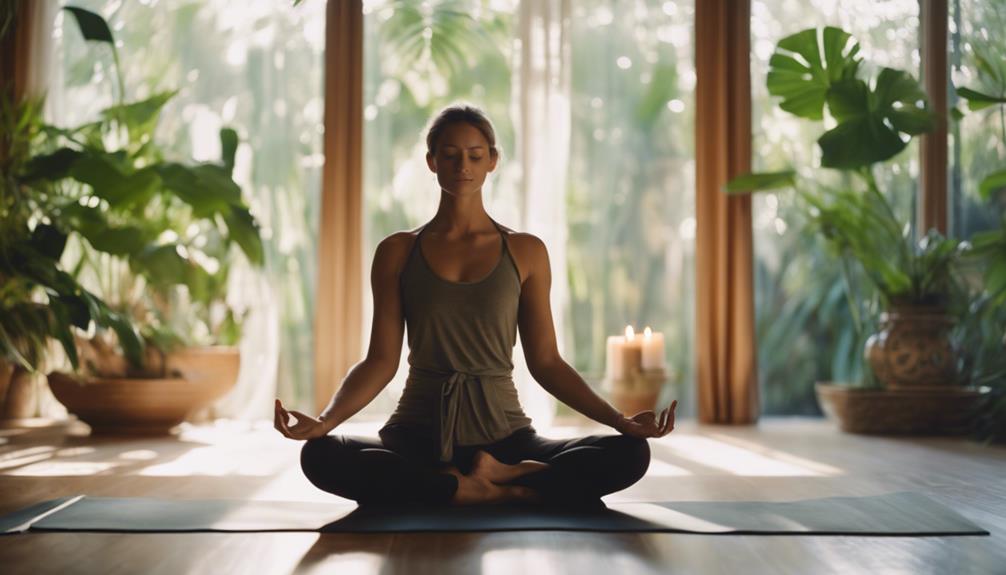
Relax yoga is a calm, accessible approach to movement that combines gentle postures, steady breathing, and periods of stillness. It is designed to help you slow down, notice how you feel, and release some of the physical tension that can build up during busy or stressful days. Explore mindful wellness practices to deepen your Relax Yoga routine and cultivate greater balance each day.
Unlike a vigorous flow, relax yoga does not depend on speed, flexibility, or physical intensity. The goal is to create a sense of ease. You can practise it when you are new to yoga, returning after a break, recovering from a demanding day, or preparing your body and mind for sleep.
What is relax yoga?
A relaxing yoga practice usually moves slowly and gives you time to settle into each position. Postures may be supported with cushions, blankets, bolsters, or a folded towel so that the body can soften without unnecessary strain. Gentle mobility exercises, restorative poses, breath awareness, and guided relaxation are all common elements.
The practice is less concerned with achieving a perfect shape and more concerned with comfort, attention, and a steady rhythm. By pairing unhurried movement with conscious breathing, relax yoga can offer a useful pause from physical tension, mental distraction, and the pressure to keep moving.
Benefits for restlessness and everyday stress
Restlessness can appear as constant movement, difficulty concentrating, racing thoughts, or trouble settling at night. A short sequence of gentle yoga gives your attention something simple and structured to follow. Feeling the feet or hands on the floor, noticing the breath, and moving gradually through a few positions can help create a clearer transition from activity to rest.
Relax yoga may also help you become more aware of where you hold tension. You might notice tightness in the shoulders, jaw, hips, or lower back and respond with a softer posture or slower exhalation. With regular practice, these small moments of awareness can become practical tools for handling periods of scattered energy or emotional strain.
A simple relaxing yoga sequence
You do not need a long class to begin. Set aside 10 to 20 minutes in a quiet, comfortable space and adjust the sequence to suit your energy level. Relax yoga sessions can incorporate trauma-release breathing to gently calm the nervous system and support emotional healing.
- Begin with breath awareness: Sit or lie down comfortably and notice the natural pattern of your breathing. Allow the exhalation to become slow and unforced.
- Release the upper body: Make gentle shoulder rolls, relax the hands, and move the neck carefully from side to side without forcing the range of motion.
- Mobilise the spine: If it feels comfortable, practise a slow cat-cow movement on hands and knees. Keep the movement small and coordinated with the breath.
- Choose a supported resting pose: Try child’s pose with your chest supported by cushions, or lie down with your knees bent and feet resting on the floor.
- Add gentle leg stretches: Extend one leg at a time or draw the knees toward the chest, stopping well before any sharp or uncomfortable sensation.
- Finish with stillness: Rest on your back in a supported savasana. Use a blanket for warmth and remain there for several quiet minutes.
Move between positions slowly, leaving enough time to notice how each one feels. If a pose creates pain, pressure, numbness, or strain, come out of it and choose a more comfortable position.
Using a guided relaxation video
A yoga for relaxation video can be helpful when you prefer to practise with clear instructions. Look for a slow-paced session that includes breathing cues, rest periods, and alternatives for different comfort levels. A teacher who encourages you to modify or skip a posture can make the practice easier to approach.
Prepare your space before starting. Place any cushions or blankets nearby, reduce distractions, and choose a volume that allows you to hear the guidance without making the setting feel overstimulating. Over time, guided sessions can help you identify the movements, breathing patterns, and resting positions that work best for you.
Making relax yoga a regular habit
Consistency matters more than duration. A few minutes of breathing in the morning, a gentle stretch after working at a desk, or a short evening practice may be easier to maintain than an occasional long session. You can also use a brief body scan during the day: notice your jaw, shoulders, hands, and belly, then consciously let unnecessary tension soften.
Relax yoga works well alongside other supportive routines, including adequate rest, time outdoors, and mindful pauses between tasks. Treat it as an invitation to slow down rather than another task to complete. With patient, regular practice, gentle movement and steady breathing can become a dependable way to return your attention to the present moment.