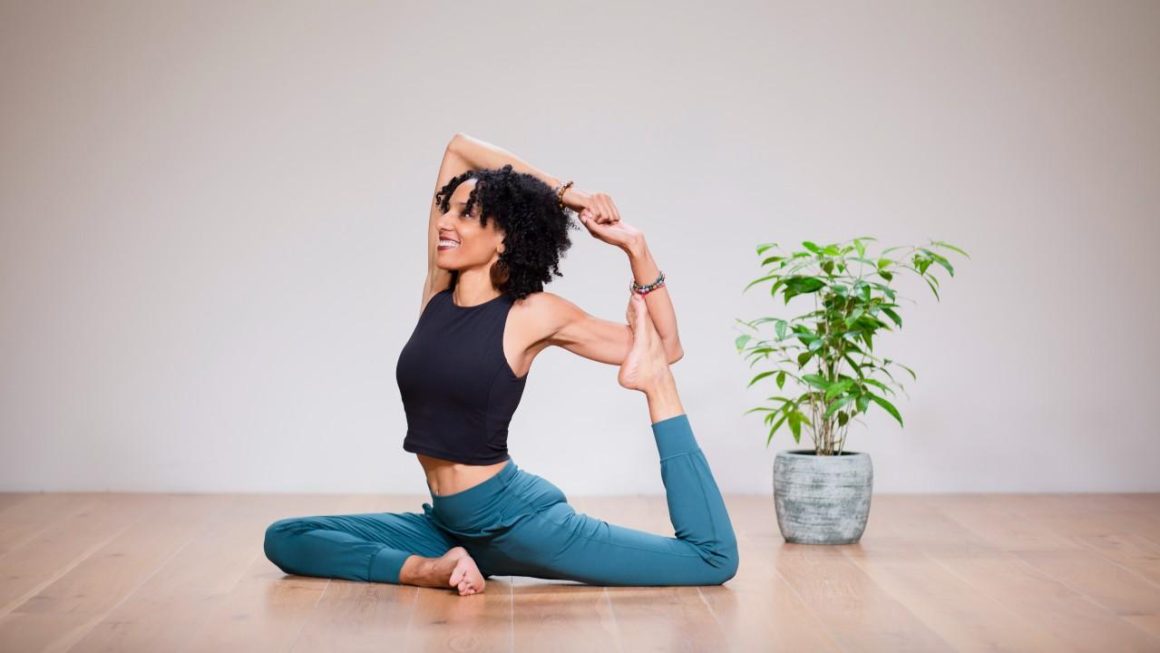

The best gym is not necessarily the biggest, newest, or cheapest. It is the place you can reach easily, afford comfortably, and enjoy visiting often enough to build a routine. Before signing up, compare the practical details with the atmosphere and services that matter to you. While finding a gym, explore nearby yoga classes to compare convenient local options for your fitness routine.
Start with your fitness priorities
Clarify what you want from a gym before opening local listings. Your needs may include strength training, cardio equipment, group classes, personal instruction, yoga, or a combination of several activities. You may also prefer a quiet space, a social club atmosphere, or a specialized studio with small classes.
Think about how you are most likely to exercise. Someone who enjoys structured sessions may benefit from a full class timetable, while someone with an unpredictable schedule may need extended opening hours and independent-use equipment. If your goal is to support a yoga practice, look for facilities that offer classes such as mobility, Pilates, restorative yoga, or flexibility training alongside conventional workouts.
Search for gyms near the places you already go
Location has a direct effect on convenience. Search around your home, workplace, or regular travel route rather than limiting yourself to a particular neighborhood. A gym that is slightly less impressive but easy to reach may be a better long-term choice than one that requires a lengthy detour.
Maps and local search results can help you create an initial shortlist. Check each listing for:
- Address, travel time, and parking or public transportation options
- Opening hours and holiday or weekend access
- Photos of the workout areas, changing rooms, and studios
- Class schedules and descriptions
- Contact details and membership information
Search terms such as “gym near me,” “yoga classes near me,” or a specific activity can uncover different types of fitness facilities, including traditional gyms, yoga studios, community centers, and small-group training spaces.
Compare facilities beyond the membership price
A low advertised price does not always represent the lowest overall cost. Ask what is included, whether there is an enrollment charge, and how cancellation or freezing a membership works. If you travel or have a changing schedule, check whether the facility provides flexible passes, drop-in sessions, or access to multiple locations.
Then assess whether the facility supports the way you plan to train. Consider:
- The condition, variety, and availability of equipment
- Whether busy periods lead to long waits
- Locker, shower, changing, and storage arrangements
- Access to mats, blocks, weights, or other class equipment
- Class capacity, booking requirements, and cancellation rules
- Cleanliness, ventilation, lighting, music, and general comfort
If you need a gym outside standard daytime hours, confirm the actual access policy rather than relying on phrases such as “24-hour access.” Some areas or services may have separate schedules. While searching for a gym, consider Point Loma yoga classes for a focused, flexible workout option.
Choose classes and coaching that match your level
Class descriptions should make it clear whether a session is intended for beginners, experienced participants, or mixed abilities. Look for information about intensity, duration, required equipment, and whether modifications are offered. This is particularly useful when comparing yoga, mobility, strength, or high-intensity classes.
For instruction-based training, ask how coaches or teachers are selected and whether staff can explain how they adapt exercises for different abilities. A welcoming facility should be willing to answer reasonable questions about class structure and help new members understand where to begin.
Use reviews carefully and visit before joining
Online reviews can reveal useful patterns, but they should not be the only basis for your decision. Look for repeated comments about overcrowding, equipment maintenance, staff conduct, unexpected fees, or class quality. Give more weight to detailed observations than to extreme praise or criticism without explanation.
A trial session or short-term pass lets you test the experience in person. Visit at the time you would normally work out and notice:
- How easy it is to enter, check in, and get oriented
- Whether equipment is available when you need it
- How staff respond to questions
- Whether the atmosphere feels motivating or distracting
- How comfortable you feel around other members
If you are considering a specialty option, such as a dimly lit or highly immersive workout space, try to establish whether the environment helps you focus and whether it remains comfortable during a full session. The right setting is a personal choice; an unusual atmosphere can be motivating for one person and unsuitable for another.
Make the decision based on consistency
After visiting your shortlist, compare each option against your real routine. Estimate the complete monthly cost, travel time, likely attendance, and the activities you will genuinely use. A facility with fewer extras may offer better value if it removes barriers to showing up.
Choose the gym that makes regular exercise feel practical and sustainable. The most effective membership is one that fits your schedule, supports your preferred activities, and gives you an environment where you feel comfortable making steady progress.