Stress and anxiety can affect breathing, muscle tension, concentration, sleep, and energy. Regular movement and simple mindfulness practices can help you respond to that physical activation with greater control. The most useful routine is not necessarily the hardest one; it is the one you can repeat without creating more pressure. Explore mindful yoga practices to complement these exercises and support lasting stress relief and emotional balance.
Use the ideas below to build a flexible set of tools for everyday stress, anxious moments, and longer-term emotional well-being.
Start with breathing when anxiety rises
Focused breathing is a practical first step because it requires little space or equipment. Sit with both feet supported, relax your shoulders, and breathe slowly through your nose if that feels comfortable. Let the exhale remain gentle and slightly longer than the inhale, without forcing either phase.
Continue for two to five minutes while paying attention to the movement of your abdomen or the sensation of air passing through your nose. If your thoughts wander, return to the next breath. This combination of slower breathing and steady attention can interrupt spiralling thoughts and help you feel more grounded.
Other options include counting each inhale and exhale, practising box breathing, or simply observing the breath without trying to change it. If any technique makes you feel light-headed or more distressed, stop and return to natural breathing.
Gentle yoga and mindful movement
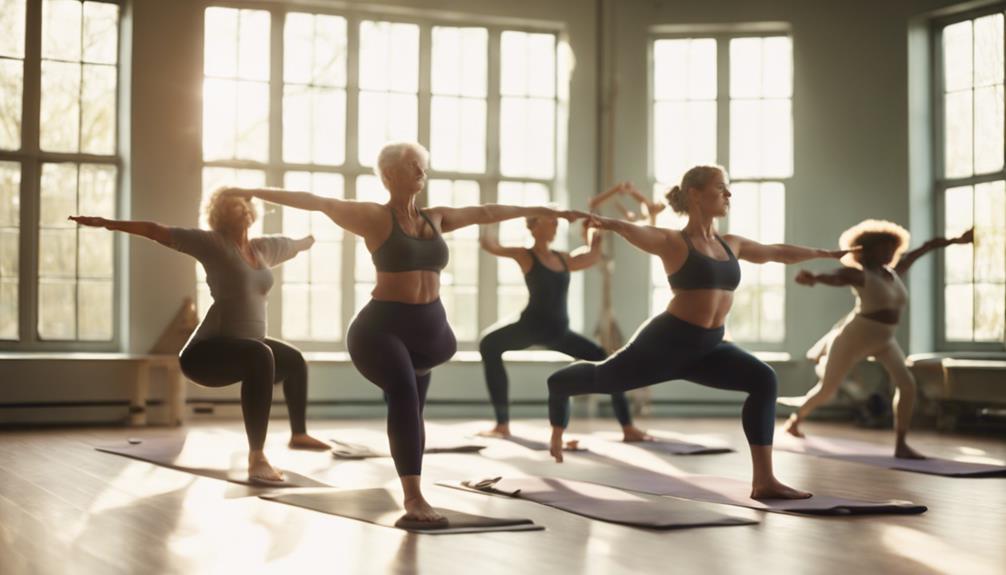
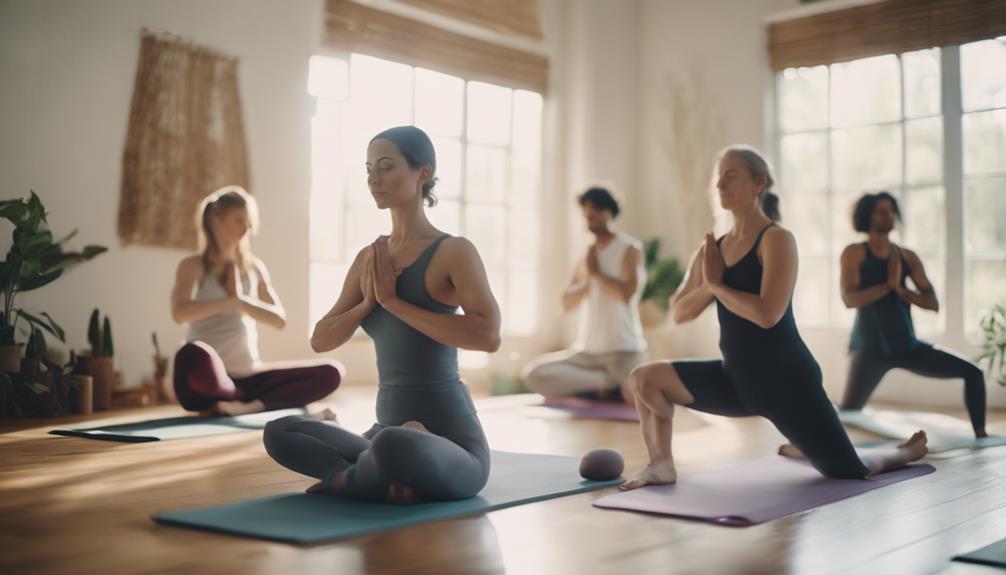
Yoga can combine stretching, controlled movement, and awareness of the breath. A slow practice may be especially suitable when your body feels tense or your mind feels overstimulated. Move within a comfortable range and treat the practice as an opportunity to notice sensations rather than achieve a perfect position.
Calming poses to try
- Child’s pose: Rest your torso toward your thighs, using a cushion or folded blanket for support if needed.
- Cat-cow: Move slowly between a rounded and gently arched spine, coordinating each movement with breathing.
- Legs up the wall: Lie on your back with your legs supported by a wall or chair. Leave this out if it causes discomfort or pressure.
- Supported bridge: Lift the hips gently and use appropriate support, or practise a small pelvic lift without equipment.
Try five to ten minutes of slow movement in the morning, or use a short restorative sequence as a transition into the evening. You can also finish with a few minutes of stillness, noticing the contact between your body and the floor.
Walking, cardio, and resistance training
Stress relief does not have to be quiet or stationary. A brisk walk, easy cycle, or swim can provide a change of scenery and a constructive outlet for nervous energy. Choose a pace that feels purposeful but remains manageable. If you are new to exercise, begin with a short session and increase gradually.
Strength training can also be part of an anxiety-supportive routine. Body-weight exercises, resistance bands, or weights can help you focus on the present task and develop a sense of physical capability. Keep the session simple: for example, alternate comfortable sets of squats, wall push-ups, rows with a resistance band, and gentle core exercises. Gentle exercises can ease anxiety, while seasonal mood support through yoga may help manage winter-related emotional changes.
High-intensity exercise is not the best choice for everyone, particularly during a panic episode or when intense breathing sensations increase fear. Experiment with different activities and observe how your mood and energy respond afterward. The most effective option is the one that helps you feel steadier rather than depleted.
A routine that is easy to maintain
Consistency matters more than an ambitious plan. A balanced week might include:
- A few minutes of breathing or grounding most days.
- Several short sessions of gentle yoga or mobility work.
- Regular walks or other moderate aerobic activities.
- Strength-focused movement when it suits your interests and physical condition.
On a busy day, combine five minutes of breathing with a ten- or twenty-minute walk. On a day with more time, add a longer yoga or strength session. Keep track of how different activities affect tension, sleep, focus, and mood, then adjust the duration and intensity accordingly.
What to do during a sudden anxious moment
When anxiety feels overwhelming, reduce the demands on yourself. Sit or stand somewhere safe, place both feet on the floor, and name a few things you can see, hear, and feel. Pair this grounding exercise with slow, comfortable breathing. Gentle shoulder rolls, neck movements, or a brief walk may help release some physical tension.
Prepare a small personal toolkit in advance: a breathing pattern that feels comfortable, a short grounding exercise, and one calming movement sequence. Knowing what to try can make an anxious moment feel less unfamiliar.
Choose supportive, not punishing, exercise
Movement can complement other forms of support, but it is not a replacement for professional help when anxiety is persistent, severe, or interfering with daily life. Seek appropriate medical or mental-health guidance if symptoms are difficult to manage, and obtain advice before starting unfamiliar exercise if you have relevant health concerns.
Begin gently, practise regularly, and let your routine change with your needs. Breathing exercises, mindful yoga, walking, cardio, and strength work can each contribute to a practical set of strategies for reducing stress and managing anxiety.