Seasonal affective disorder (SAD) can bring recurring changes in mood, energy, sleep, concentration, and social connection during particular seasons. When shorter days affect your routine, yoga may offer a manageable way to reconnect with your body and create structure in the day. Explore mindful wellness practices to complement yoga routines that support mood, balance, and resilience during darker seasons.
Yoga should be viewed as a supportive practice rather than a standalone treatment for SAD. Depending on the severity of symptoms, a broader care plan may include professional assessment, psychotherapy, medication, light therapy, and practical changes to sleep and daily routines. A short, consistent yoga practice can complement those approaches while encouraging movement, mindful breathing, and moments of calm.
How yoga may support seasonal mood changes
Yoga combines physical movement with breathing and focused attention. That combination may be useful when seasonal symptoms leave you feeling sluggish, tense, or caught in repetitive thoughts. Gentle movement can help you become more physically alert, while slower practices may help settle the body before rest.
A regular practice can also provide a reliable daily anchor. The routine does not need to be long or demanding. Repeating a few familiar movements at roughly the same time each day may be more realistic than attempting an intensive class when motivation and energy are low.
Choosing a suitable style of practice
There is no single yoga sequence that works for everyone with SAD. Choose movements according to your energy, experience, physical health, and comfort. On low-energy days, restorative or chair-based yoga may be the most appropriate option. When you feel more alert, a gentle flow can add movement without making the session feel overwhelming.
Useful categories of practice include:
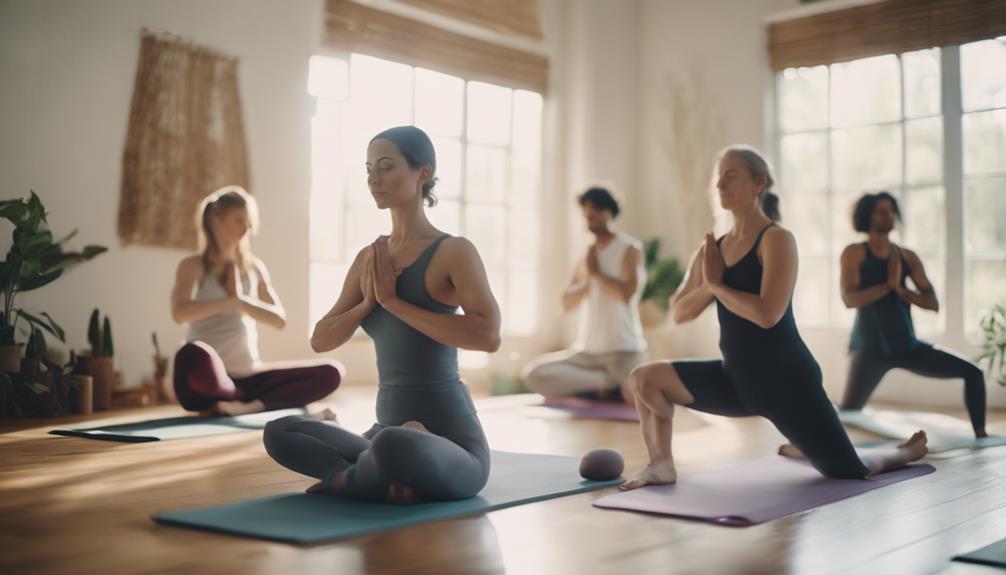
- Gentle standing poses: Mountain pose, supported Warrior variations, and wide-legged standing positions can encourage steadiness and body awareness.
- Easy flowing movements: Slow Sun Salutation variations or repeated arm and leg movements can help you transition from stillness into activity.
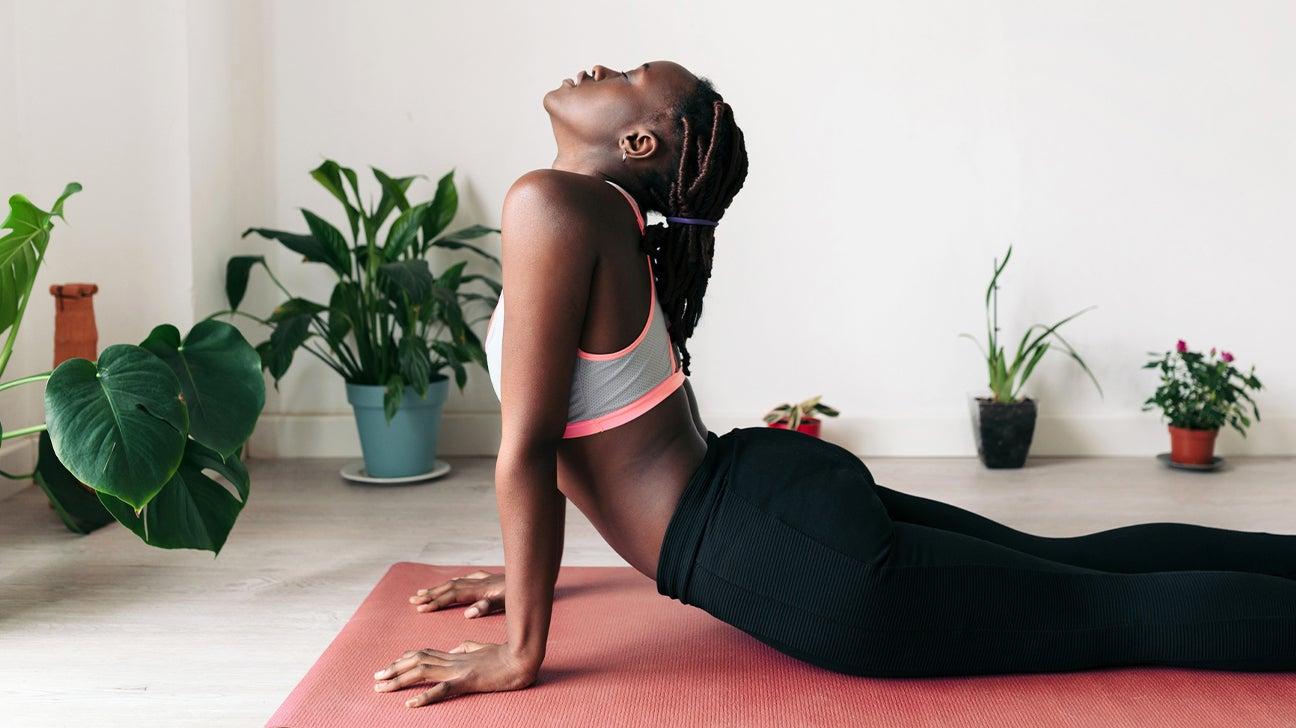
- Chest-opening poses: Supported Bridge, Cobra with a small lift, or a comfortable seated posture may counter the tendency to slump when tired. Avoid forcing the spine or shoulders.
- Restorative poses: Legs up the wall, supported Child’s Pose, gentle twists, and a relaxation pose can be useful when your body needs less stimulation.
- Breathing exercises: Slow diaphragmatic breathing or a comfortable paced breath can bring attention away from racing or repetitive thoughts. Stop if breathing exercises make you dizzy or uncomfortable.
A simple 10- to 20-minute routine
Use this outline as a starting point, adjusting or skipping anything that does not feel right. If possible, open the blinds or spend a brief period outdoors before practicing. Natural light and time outside can be incorporated into your broader seasonal routine, but yoga itself should not be considered a replacement for recommended light therapy.
- Arrive for one minute: Sit or stand comfortably and notice your breathing without trying to change it immediately.
- Warm up for three minutes: Roll the shoulders, move the neck gently, circle the wrists and ankles, and coordinate slow arm movements with your breath.
- Move for five minutes: Try a slow flow between Mountain pose and a comfortable forward fold, or practice a few supported standing poses. Keep the movements controlled rather than strenuous.
- Open and release for three to five minutes: Choose a gentle Bridge, low Cobra, seated twist, or supported chest-opening position.
- Rest for two to five minutes: Lie down or sit comfortably and allow the breath to return to its natural pace.
On difficult days, practicing only the arrival, breathing, and resting portions still maintains the habit. Consistency and self-compassion are more useful goals than pushing through exhaustion. For additional support during darker months, explore stress-relieving yoga poses that calm anxiety and restore emotional balance.
Using guided online yoga safely
Recorded classes can reduce the effort required to decide what to practice. Search for gentle yoga sessions aimed at stress, low mood, beginners, or low-energy days. A suitable teacher should offer modifications, encourage rest, and avoid presenting yoga as a cure for depression or SAD.
Begin with a short class and choose a level that leaves you feeling supported rather than depleted. If concentration is affected, select a simple practice with clear instructions. Keep a chair, wall, blanket, or blocks nearby when they help you balance or reduce strain.
Safety and professional support
Do not force stretches, deep backbends, inversions, or challenging balance poses. Stop if you experience sharp pain, chest pain, unusual shortness of breath, faintness, or worsening symptoms. People with injuries, cardiovascular concerns, pregnancy, or other health conditions should ask a qualified healthcare professional how to adapt exercise.
Contact a healthcare professional if seasonal changes are interfering with work, relationships, sleep, self-care, or daily functioning. Yoga can support a treatment plan, but it does not replace assessment or evidence-based care when symptoms are moderate, severe, or recurring. If you feel at risk of harming yourself, seek urgent help through local emergency services or a crisis service.
A calm, repeatable yoga routine can give seasonal self-care a practical structure. Start with movements you can manage, adjust the practice to your energy, and combine it with the professional and behavioral support that best meets your needs.