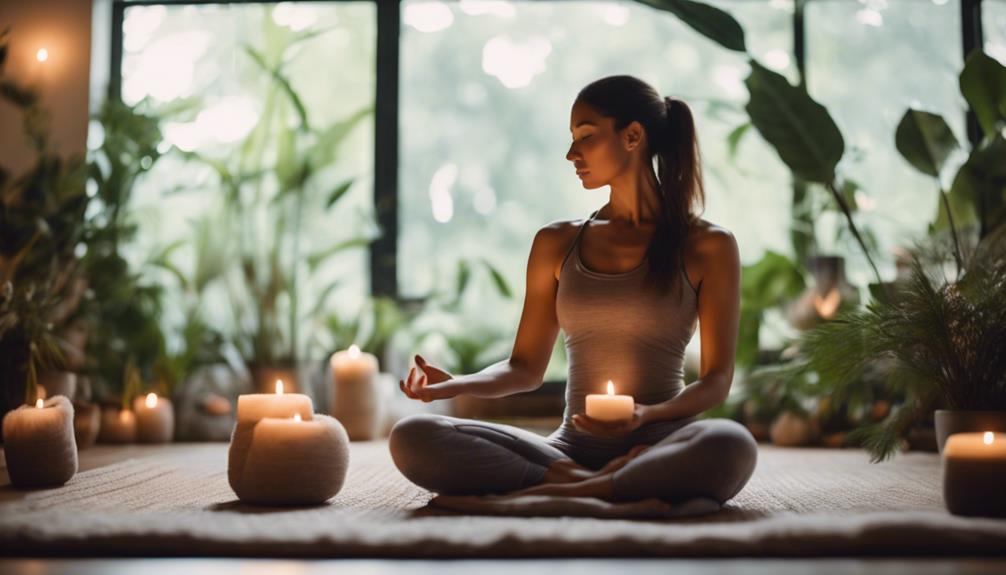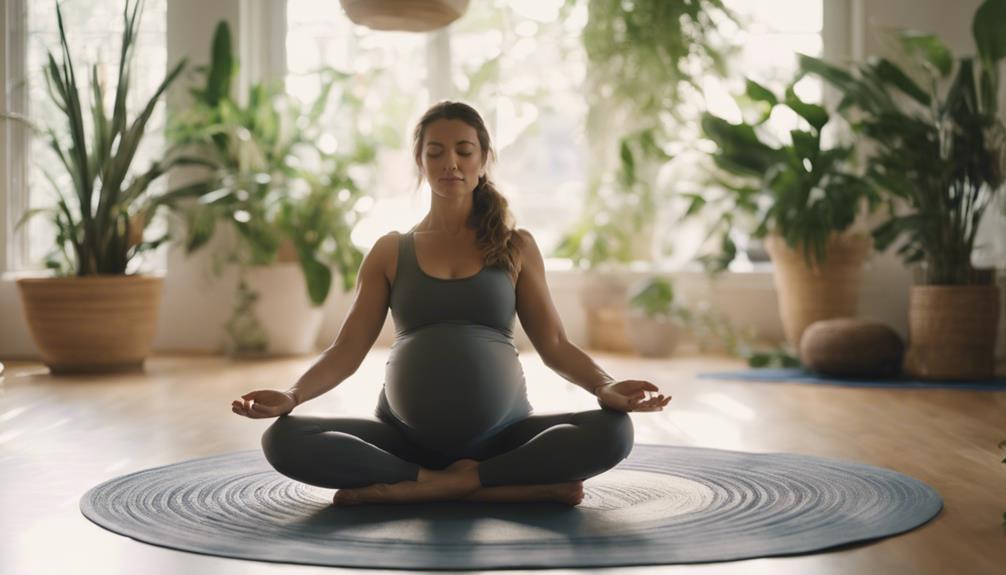
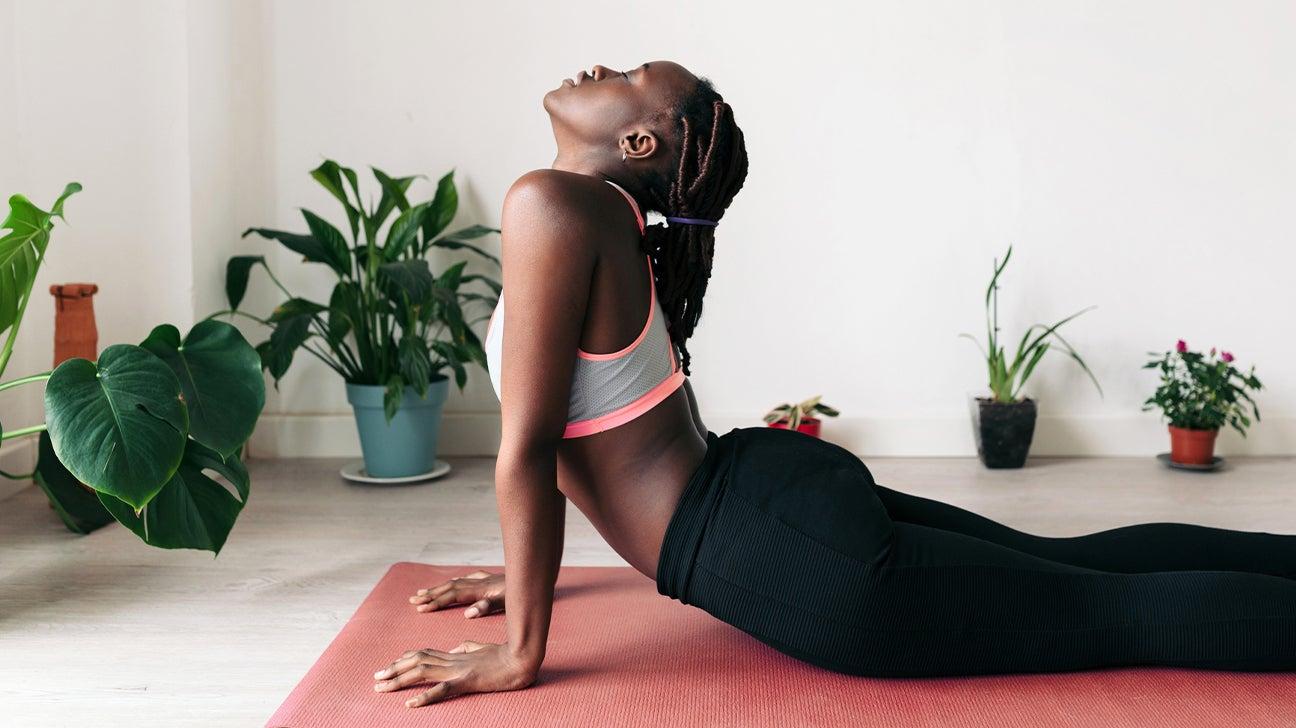
Heart palpitations are sensations such as fluttering, pounding, racing, or feeling as though the heart has skipped a beat. They can be unsettling, especially when they begin suddenly. Stress, anxiety, shallow breathing, caffeine, and poor sleep may contribute to or intensify the sensation, although palpitations can also have medical causes. For additional support, mindful yoga practices can complement deep breathing while easing stress linked to occasional heart palpitations.
Gentle breathing exercises may help when palpitations are connected with tension or anxious breathing. They can encourage slower, steadier breaths and reduce the cycle in which worry leads to faster breathing and greater awareness of the heartbeat. Breathing exercises are a self-care tool, not a way to determine the cause of palpitations or replace medical evaluation.
Start with comfortable diaphragmatic breathing
Diaphragmatic breathing, sometimes called belly breathing, is a simple foundation for calming practice:
- Sit or lie in a comfortable position and relax your shoulders.
- Place one hand on your upper chest and the other on your abdomen.
- Breathe in gently through your nose and allow your abdomen to rise.
- Let the breath out slowly and comfortably, without pushing or straining.
- Continue for two to five minutes, keeping the breath smooth rather than unusually deep.
The hand on your abdomen should move more than the hand on your chest. If focusing on your heartbeat makes you more anxious, move your attention to the feeling of your abdomen rising and falling or to the air moving through your nose.
Other breathing patterns to try
Box breathing
Box breathing uses equal portions for inhaling, pausing, exhaling, and pausing again. You can try inhaling gently for a count of four, holding for four, exhaling for four, and holding out for four. Repeat for several cycles only if the pattern feels comfortable. Shorten the counts or leave out the pauses if holding your breath causes discomfort, lightheadedness, or increased anxiety.
Longer-exhalation breathing
A longer, unforced exhalation can be a useful way to settle tense breathing. Inhale softly for a count of three or four, then exhale for a count of four or five. Repeat for one to three minutes. There is no need to make the exhalation loud or forcefully empty the lungs.
Alternate-nostril breathing
Some people use alternate-nostril breathing as a yoga-informed mindfulness practice. Sit upright but relaxed. Close one nostril gently, inhale through the other, then switch sides and exhale. Continue alternating at a slow, comfortable pace for a few minutes. Do not force the breath or use prolonged breath holds. If the technique feels awkward or makes you dizzy, return to normal breathing. meditative breathing techniques can complement heart-focused relaxation by slowing your breath and easing palpitations.
What to do when palpitations begin
- Stop what you are doing and sit somewhere safe.
- Relax tight clothing around your chest or neck if needed.
- Take ordinary, gentle breaths rather than trying to fill your lungs as much as possible.
- Use diaphragmatic or longer-exhalation breathing for a few minutes.
- Notice whether the sensation is easing, persisting, or becoming more severe.
Trying to control every heartbeat can increase alarm. A calmer approach is to acknowledge the sensation, keep your breathing easy, and avoid repeatedly checking your pulse unless a clinician has advised you to do so.
Build a simple routine
Short, regular practice may be easier to maintain than a long session. Try two or three minutes in the morning, during a work or activity break, or before bed. You can also record when palpitations occur, what you were doing, your recent sleep and caffeine intake, and whether breathing changed the sensation. This information may help you and a healthcare professional identify patterns.
Keep the practice gentle. Stop if you develop dizziness, tingling, chest discomfort, worsening breathlessness, or a sense that you cannot breathe normally. People with known heart disease, an arrhythmia, uncontrolled blood pressure, or a respiratory condition should ask a healthcare professional which breathing methods are appropriate. Breath-holding techniques may not be suitable for everyone.
When to seek medical care
Seek urgent medical attention if palpitations occur with chest pain, fainting, severe shortness of breath, marked dizziness, or other serious symptoms. Prompt medical advice is also appropriate when palpitations are new, persistent, increasingly frequent, or occurring in someone with a history of heart disease or a diagnosed rhythm problem.
Breathing exercises can provide a practical way to manage stress-related discomfort, but they should not be used to dismiss recurring or unexplained symptoms. When practiced comfortably and alongside appropriate medical care, steady breathing can support relaxation and help you respond more calmly when palpitations occur.