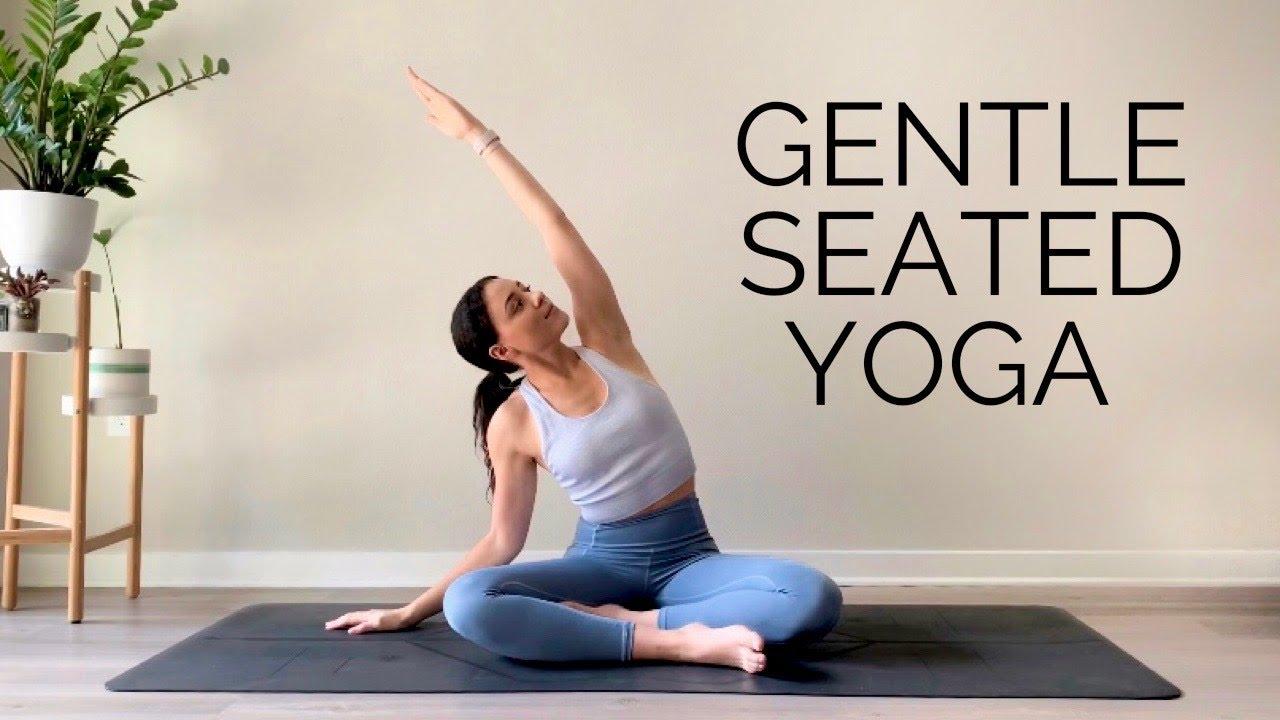
Gentle yoga is a slower, more mindful approach to movement. Instead of emphasizing intensity or advanced flexibility, it combines comfortable stretches, steady breathing, and simple transitions. This makes it a useful option for beginners, people returning to movement, or anyone who wants a calming practice at the end of the day.
A gentle session can be as short as a few minutes or as long as you like. The goal is not to force a deeper stretch. Move gradually, keep your breathing easy, and treat comfort as a guide.
Why practise gentle yoga?
Regular gentle movement may help you become more aware of posture, reduce physical tension, and maintain comfortable mobility. Pairing movement with deliberate breathing can also create a quiet pause in a busy day and encourage relaxation.
Gentle yoga may be especially appealing if vigorous exercise feels unsuitable or uninviting. However, yoga should not be used to diagnose or treat an injury. If you have an injury, ongoing pain, or a health condition that affects movement, seek appropriate professional advice before starting.
Five gentle yoga poses to try
1. Child’s Pose
Child’s Pose offers a restful position for the back, hips, and shoulders.
- Begin kneeling, with your knees together or comfortably apart.
- Lower your hips toward your heels and fold your torso forward.
- Rest your forehead on the mat, a cushion, or a yoga block if it does not reach comfortably.
- Let your arms extend forward or rest alongside your body, then take several slow breaths.
If sitting back toward your heels is uncomfortable, place a folded blanket between your hips and feet or keep your hips slightly lifted.
2. Cat–Cow Stretch
This gentle sequence moves the spine through two comfortable shapes and can be used as a warm-up.
- Start on your hands and knees, with your hands beneath your shoulders and knees beneath your hips.
- As you inhale, gently lengthen your spine and lift your chest without straining your neck.
- As you exhale, round your back slightly and allow your head and tailbone to move toward each other.
- Continue slowly for several cycles, matching the movement to your breath.
Keep the range of motion small if your back or wrists feel sensitive.
3. Supported Bridge Pose
A supported version of Bridge Pose can provide a quiet, restorative position without requiring you to hold yourself at the top of the movement.
- Lie on your back with your knees bent and feet resting on the floor.
- Lift your hips only enough to slide a firm cushion, bolster, or yoga block beneath your sacrum—the broad, flat area at the base of the spine.
- Lower your weight onto the support and relax your arms by your sides.
- Stay for a few calm breaths, then lift your hips slightly to remove the support before lowering down.
The support should feel stable and comfortable. Remove it immediately if you feel pressure or discomfort in your lower back.
4. Seated Forward Fold
This pose can gently lengthen the back of the body when practised without forcing the torso toward the legs.
- Sit with your legs extended or slightly bent.
- Inhale and lengthen through your spine.
- Exhale and hinge forward from your hips, keeping the movement gradual.
- Rest your hands on your thighs, shins, or a cushion rather than reaching for your feet.
Allow your neck and shoulders to soften. A slightly bent-knee version is often more comfortable than trying to keep the legs completely straight.
5. Legs-Up-the-Wall Pose
This restful pose is a simple way to finish a practice or take a quiet break.
- Sit beside a wall and lie back as you turn to bring your legs up the wall.
- Move your hips as close to the wall as feels comfortable; they do not need to touch it.
- Let your arms rest wherever your shoulders feel relaxed.
- Stay for a few minutes while breathing naturally, then bend your knees and roll gently to one side before sitting up.
If this position causes pressure in your lower back or legs, move farther from the wall or choose a different resting pose.
How to build a comfortable practice
- Start small: Try five to ten minutes rather than aiming for a long session immediately.
- Use support: Cushions, folded blankets, blocks, and a wall can make poses more accessible.
- Keep breathing easy: Avoid holding your breath or turning the practice into a test of endurance.
- Distinguish sensation from pain: Mild stretching may be acceptable, but sharp, burning, or worsening pain is a signal to stop.
- Choose a consistent moment: A short practice after waking, during a work break, or before bed may be easier to maintain.
- Finish gradually: Take a moment to notice how you feel before returning to your normal activities.
A simple sequence
For a gentle routine, begin with Cat–Cow for several slow breaths, move into Child’s Pose, and then practise Supported Bridge Pose. Follow with a comfortable Seated Forward Fold and finish with Legs-Up-the-Wall Pose or a relaxed lying position. Adjust or skip any pose that does not suit your body that day.
Gentle yoga is less about achieving a particular shape and more about creating a steady, supportive relationship with movement. Practised patiently, these poses can offer a practical way to pause, breathe, and care for your body.