A good yoga poses book can turn a confusing collection of postures into a practical, easy-to-follow reference. Whether you are beginning a home practice or looking for a clearer way to study familiar poses, the right book can help you understand alignment, breathing, variations, and how individual postures fit into a complete session.
What a Yoga Poses Book Should Teach
Yoga poses, or asanas, are more than shapes to copy. A useful guide explains how to enter and leave each posture, where to direct your attention, and how to adapt the pose to your experience and physical needs. It should also make clear that yoga combines movement with breath, concentration, and mindful awareness.
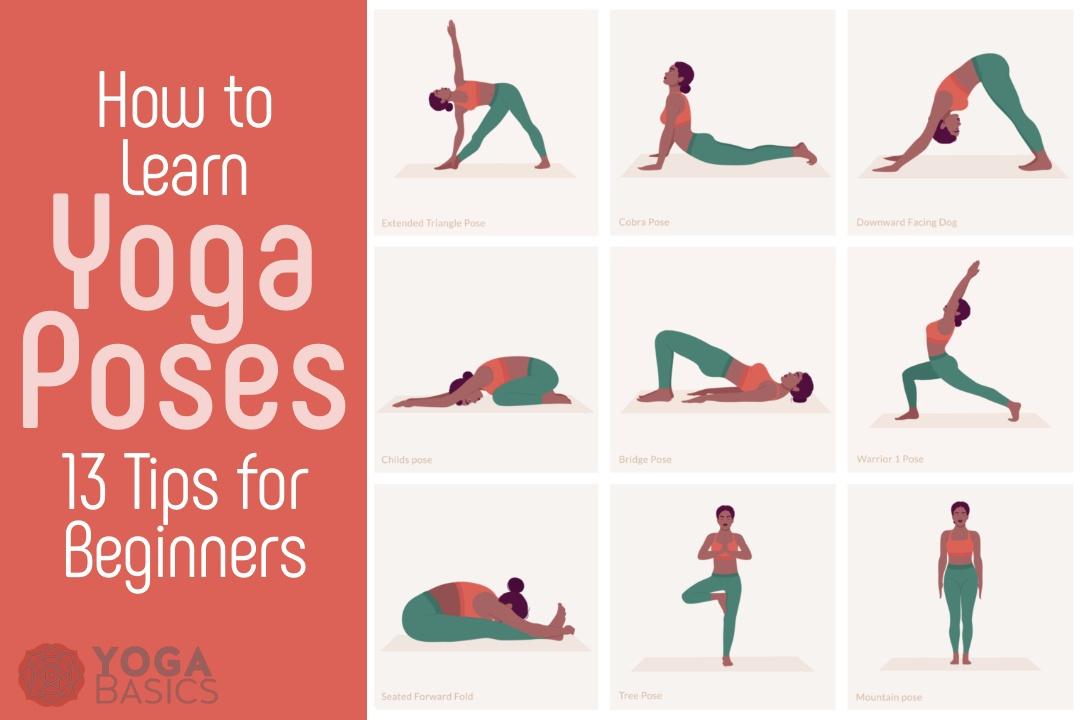
Most pose guides organise asanas into broad groups, such as:
- Standing poses: Build awareness of balance, leg strength, and stability.
- Seated poses: Support grounding, mobility, and quieter practices.
- Forward folds: Encourage a sense of release and introspection when practised comfortably.
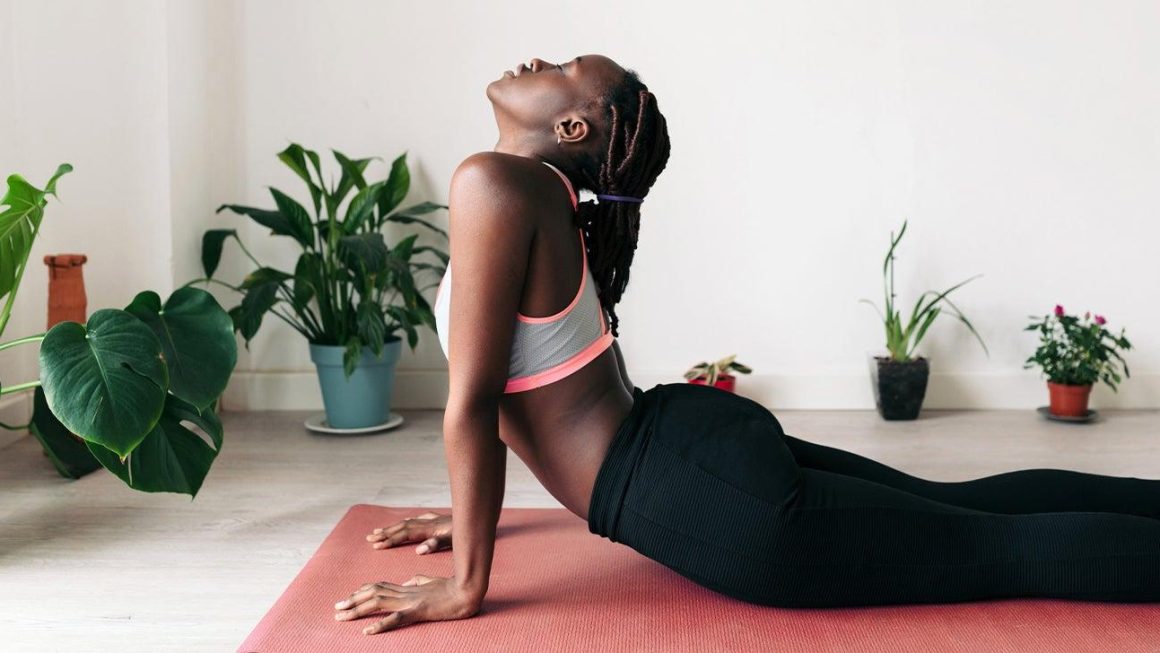
- Backbends: Develop spinal movement and can help broaden awareness of posture.
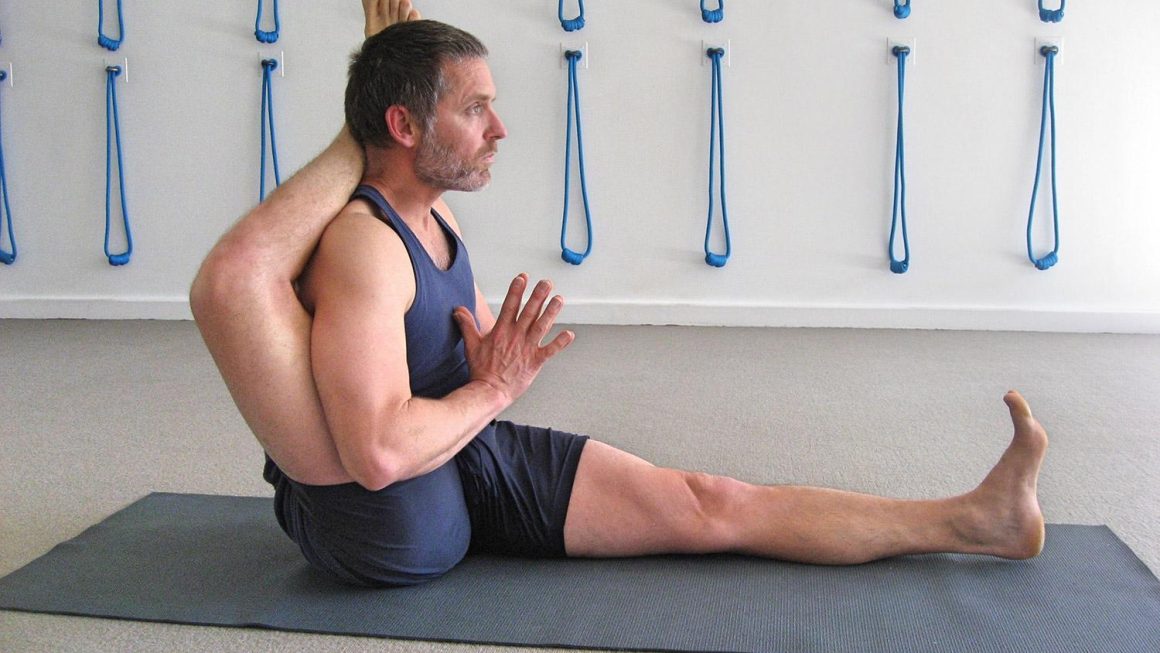
- Twists: Explore rotation while encouraging attention to spinal alignment.
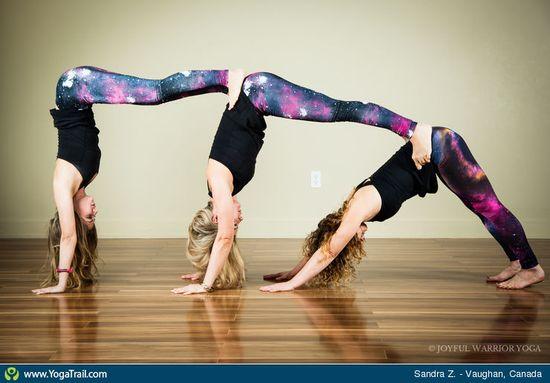
- Inversions and balancing poses: Challenge coordination, strength, and focus.
- Restorative poses: Use supported, relaxed positions to promote stillness.
Features to Look For
Books vary considerably in their teaching style. Before choosing one, consider how you prefer to learn and what you want the book to help you accomplish.
- Clear photographs or illustrations: Images should show the whole body and make important alignment details easy to identify.
- Step-by-step instructions: Look for guidance on setup, movement, breathing, and returning safely to a neutral position.
- Modifications and props: Suggestions involving blocks, straps, blankets, or a chair can make poses more accessible.
- Warnings and contraindications: Responsible instruction identifies situations in which a pose may need to be changed or avoided.
- Different levels of difficulty: A well-organised book should distinguish introductory variations from more demanding options.
- Sequences as well as individual poses: Pose-by-pose explanations are useful, but sample sequences show how to create a coherent practice.
- Breath and mindfulness guidance: These elements help prevent yoga from becoming only a physical exercise routine.
Benefits of Studying Yoga Poses
Regular, appropriately paced yoga practice may support flexibility, strength, balance, posture, and body awareness. The focused breathing and attention used in yoga may also help create a calmer transition away from everyday distractions. Results differ from person to person, and progress is not measured only by how deeply you can enter a pose.
A book can be especially helpful because it allows you to compare related postures, review instructions at your own pace, and return to details that are easy to miss in a class. It can also help you notice patterns in your practice, such as repeatedly avoiding one side or holding your breath during challenging movements.
How to Use a Yoga Poses Book in Practice
- Choose a realistic intention. Decide whether the session is for mobility, strength, balance, relaxation, or simple exploration.
- Start with preparation. Include gentle movements that warm the body and make the main poses more comfortable.
- Read before moving. Review the setup and exit instructions instead of trying to interpret them while balancing.
- Use the simplest variation first. Build familiarity before adding depth, speed, or complexity.
- Coordinate movement with breath. Avoid forcing the breath or treating it as something separate from the pose.
- Pause between postures. Short moments of stillness help you observe the effects of each movement.
- Record useful observations. A brief practice journal can note which variations felt stable, which props helped, and what you want to revisit.
Practise with Care
Yoga should not require you to push through sharp pain, numbness, dizziness, or a feeling that something is wrong. Reduce the range of movement, use a prop, or leave the pose when necessary. If you have an injury, a health condition, or concerns about a particular posture, seek advice from an appropriately qualified health professional or yoga teacher.
Photographs alone cannot account for every body, so treat a book as a reference rather than a substitute for individual instruction. A teacher can offer feedback that a printed page cannot, while the book can help you review and practise between sessions.
Building a Balanced Home Session
Once you are comfortable with the book’s instructions, create short sequences that include several kinds of movement. For example, a session might begin with gentle preparation, continue with standing poses, add a seated or stretching section, and finish with restorative postures and quiet breathing. The exact poses matter less than practising attentively and leaving enough time to settle at the end.
The best yoga poses book is one you can understand, trust, and use consistently. Choose guidance that respects different abilities, explains its instructions clearly, and encourages awareness rather than competition. Used thoughtfully, it can become a lasting companion for exploring movement, breath, balance, and stillness.