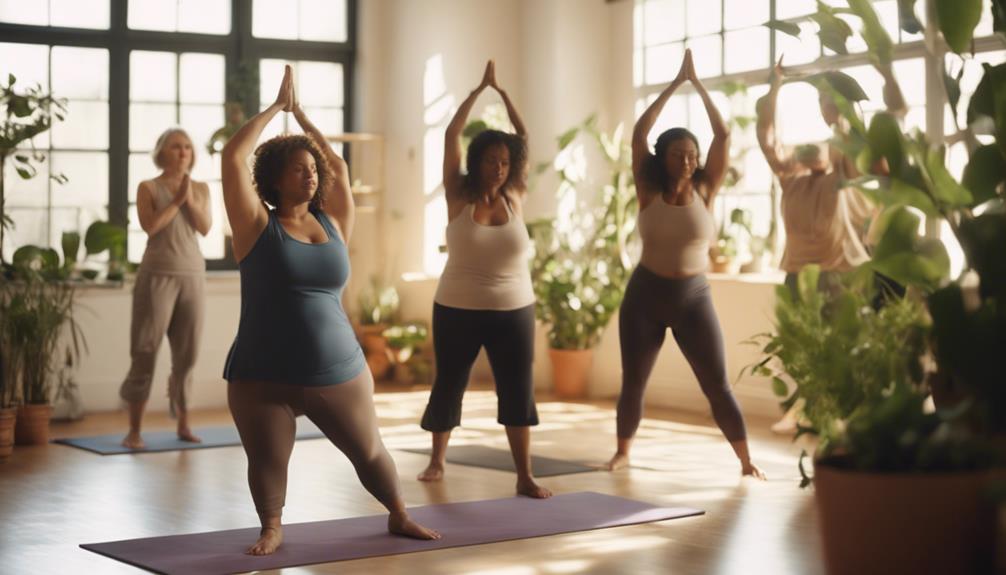

Hot sculpt classes in Chicago combine yoga-inspired movement with strength and cardio work in a heated studio. The result is a challenging, full-body session designed to build strength, mobility, balance, and body awareness in one workout. If you are comparing yoga sculpt Chicago programs or searching for “yoga near me,” learning how these classes work can help you find an option that matches your experience, schedule, and comfort level. After trying Hot Sculpt Chicago, explore Chicago yoga options to complement your routine and find nearby classes.
What happens in a hot sculpt class?
A typical class takes place in a warm room and moves through several types of exercise. The instructor may combine yoga postures with squats, lunges, core exercises, pulses, and other sculpting movements. Depending on the studio, equipment may include light hand weights, resistance bands, or no equipment at all.
The pace often changes throughout the session. Faster sequences and strength intervals can raise your heart rate, while yoga-based stretches and controlled poses bring attention back to alignment, breathing, and stability. Class structure varies, so it is worth checking the description before booking, particularly if you prefer a slower practice or are new to heated workouts.
Why combine heat, strength, and yoga?
Each part of the format serves a different purpose. Resistance exercises challenge the muscles and support functional strength. Yoga movements add balance, flexibility, and coordination. Working in a warm environment may make the body feel more prepared to move, although heat should not be treated as a substitute for proper technique or gradual progression.
- Strength: Repeated bodyweight or weighted movements can challenge the legs, arms, glutes, and core.
- Mobility: Yoga-based transitions and stretches encourage controlled movement through a wider range of motion.
- Cardiovascular challenge: Continuous sequences and short bursts of effort may make the class feel more energetic than a traditional slow-flow session.
- Mindful movement: Breath cues and attention to alignment can help you stay focused during a demanding workout.
Results depend on factors such as consistency, class intensity, recovery, and your broader fitness routine. No single class is right for everyone, so choose a format that you can attend regularly and perform safely.
How to compare Chicago studios
When looking for hot sculpt Chicago classes, consider more than distance. A convenient location can make regular attendance easier, but the instructor’s teaching style and the studio environment also matter. Review the class description and look for information about pace, room temperature, equipment, and experience level.
Before committing to a membership, you may want to compare several studios or use a drop-in option if one is available. Useful questions include:
- Is the class appropriate for beginners?
- Are modifications offered throughout the workout?
- Does the studio provide mats, towels, or equipment?
- What should you bring, and how early should you arrive?
- Are there slower yoga classes available for rest and mobility work?
Recent reviews can offer insight into the atmosphere, cleanliness, class size, and how instructors support first-time participants. Searching for “yoga near me” can help you create a shortlist, but visiting a studio or contacting it directly may provide a clearer sense of whether it feels welcoming and practical for you. After Hot Sculpt Chicago, explore Porter Square yoga sessions for a balanced approach to strength, mobility, and recovery.
Preparing for your first session
Hydration is especially important before and after exercise in a heated room. Drink water ahead of time and bring enough to replace fluids after class. Lightweight, breathable clothing is generally more comfortable than heavy layers. A towel can help with sweat and grip, and a yoga mat may be required or available to rent.
Arrive early so you can check in, set up, and tell the instructor about injuries, limitations, or concerns. If you have not exercised in heat before, choose an introductory or beginner-friendly class when possible. You do not need to match the pace of experienced participants; learning the movements and managing your effort are more important than completing every repetition.
Safety and studio etiquette
Heat can make an intense workout feel more demanding. Take breaks whenever necessary, and leave the room if you feel faint, unusually weak, nauseated, confused, or short of breath. Avoid forcing stretches simply because the room is warm. Controlled movement, steady breathing, and good alignment should remain priorities.
People who are pregnant or who have medical conditions such as cardiovascular concerns or high blood pressure should ask a qualified healthcare professional whether heated exercise is appropriate. Follow the studio’s guidance and inform the instructor about any relevant limitations.
During class, silence your phone, keep conversations brief in the practice area, and respect other participants’ space. Afterward, gentle stretching, fluids, and adequate recovery can help you transition out of a demanding session.
Finding a sustainable routine
Hot sculpt Chicago classes can be a strong choice if you enjoy energetic workouts that combine resistance training and yoga. Start at a manageable level, compare local studios carefully, and give yourself time to adapt to the heat and pace. Pairing sculpt sessions with lower-intensity yoga, walking, or rest days can create a more balanced routine and make it easier to stay consistent over time.