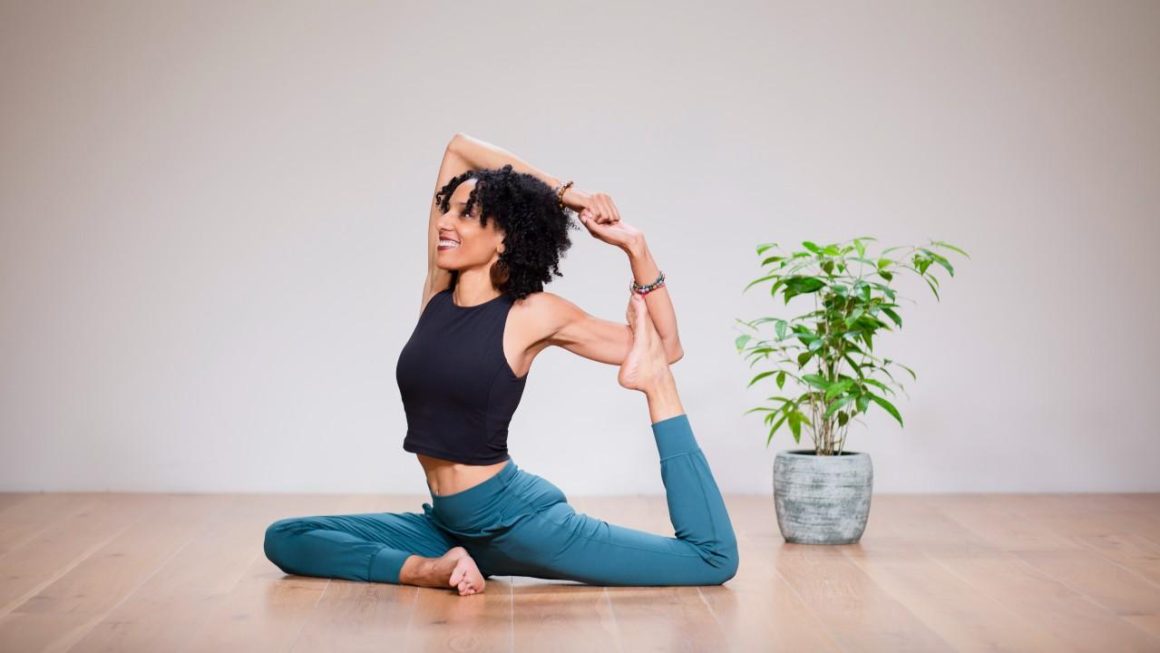
Hot yoga brings together movement, breathwork, and a heated studio environment. In Dallas, studios offer several versions of this practice, ranging from set posture sequences to flowing vinyasa and fitness-focused classes. Because the room temperature, teaching style, pace, and intensity can vary considerably, choosing a class involves more than searching for a convenient location. Dallas practitioners can Explore distinct yoga styles to find the right practice beyond heated studio sessions.
This guide explains what hot yoga is, what a first class may feel like, and how to compare Dallas studios so you can select an option that fits your experience, goals, and comfort level.
What makes hot yoga different?
Hot yoga is yoga practiced in a deliberately heated room. The warmth can make the body feel more mobile and may encourage a deeper sweat, but it also adds physical stress to the session. Heat affects people differently, so flexibility in the room should not be mistaken for a reason to force a posture.
The term does not describe one universal class format. Some studios teach a structured series with a consistent order of postures. Others use heated rooms for flowing sequences, strength-building work, alignment instruction, or slower practices. Ask how a class is structured if the description is unclear, especially if you are new to heated exercise.
Potential benefits of a heated practice
Many students choose hot yoga for the combination of physical effort and focused attention. Depending on the class and your consistency, a practice may support mobility, muscular endurance, balance, coordination, and cardiovascular conditioning. The concentration required to move and breathe in a warm room can also create a calming, mindful experience for some people.
Heat may help muscles feel less stiff and can make stretching feel more accessible. However, the increased range of motion can also make it easier to overextend. Sweating is a normal response to the room, not proof that the body is removing toxins or that a workout was automatically more effective. The quality of your movement, recovery, and ability to manage the intensity matter more than the amount of sweat.
Types of hot yoga classes in Dallas
Dallas studios may use different names for similar formats, so read the full class description or contact the studio before booking. Common options include: Discover mindful movement routines that complement Dallas hot yoga through flexibility, breathwork, balance, and focused awareness.
- Set-sequence classes: A consistent series of postures gives the class a predictable structure and allows students to track their progress.
- Heated vinyasa: Breath-linked movement creates a flowing class, with the pace and difficulty varying by instructor.
- Strength or fitness-oriented sessions: These may place greater emphasis on standing postures, core work, endurance, and continuous movement.
- Alignment-focused classes: Instruction may move more deliberately, with attention to posture, technique, and modifications.
- Moderately heated or restorative options: These can provide a gentler introduction to warmth while emphasizing mobility, relaxation, or recovery.
What to expect at your first class
Most classes include breathing exercises, a warm-up, standing postures, balance work, and floor-based movements. The sequence may be vigorous and continuous or slower and more instructional. You should be able to pause, rest, or modify a posture when needed; remaining in the room at all costs is not a measure of success.
Before class, drink water and avoid arriving rushed. Wear lightweight clothing that allows unrestricted movement, and bring a towel and a mat if the studio does not provide them. Confirm the studio’s policies for mats, towels, arrival times, and first-time students.
During the session, focus on steady breathing and notice warning signs such as dizziness, nausea, unusual weakness, confusion, or difficulty breathing. If these occur, stop, leave the heated room, cool down, and seek assistance from staff. People who are pregnant or managing conditions such as high blood pressure should consult a healthcare professional and discuss the practice with the instructor before attending.
How to choose a Dallas hot yoga studio
A suitable studio should offer clear information about its heat level, class intensity, instructor approach, and options for beginners. Compare more than price and location by considering:
- Whether the class follows a fixed sequence or changes from session to session
- How the instructor explains hydration, rest, and posture modifications
- Class size and the amount of individual guidance available
- Whether beginner classes, introductory rates, or drop-in visits are offered
- How easy it is to ask questions before and after class
- Whether the pace matches your current fitness and yoga experience
If you are uncertain, start with a beginner-friendly or moderate class rather than the most intense option. A supportive teacher will encourage you to work within your limits and will explain how to adjust poses without treating modifications as a failure.
Build a sustainable practice
Hot yoga can be a challenging and rewarding addition to a Dallas fitness routine when approached gradually. Hydrate before and after class, allow time for recovery, and avoid comparing your performance with other students. The best studio is one where the class format, teaching style, and safety guidance help you practice consistently and comfortably.