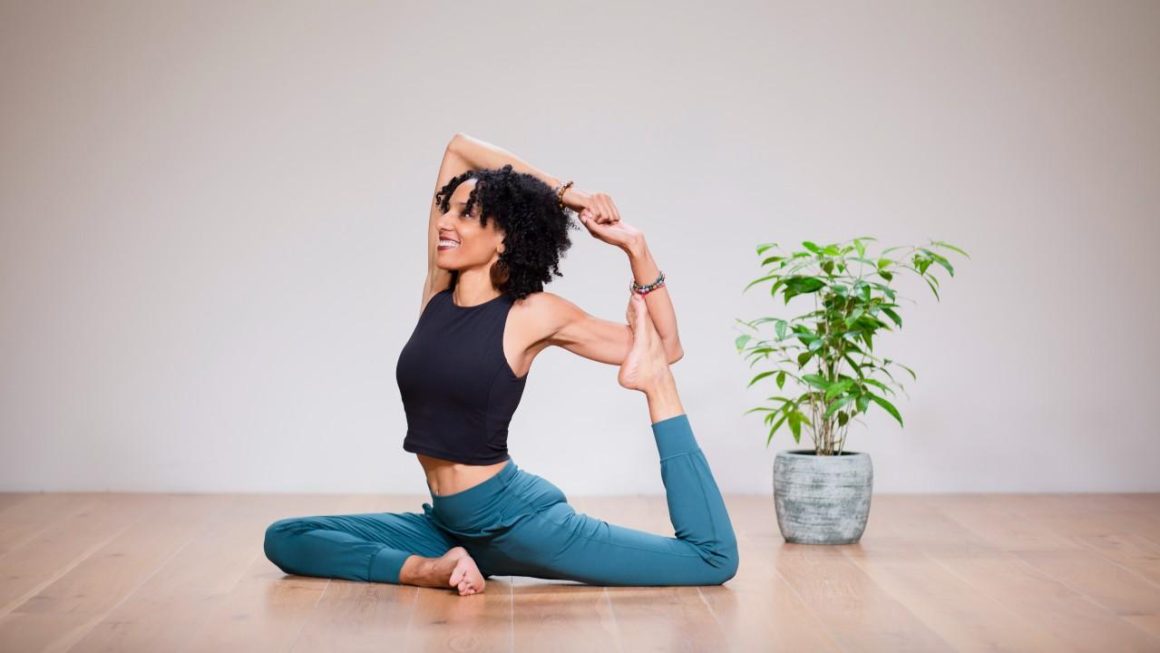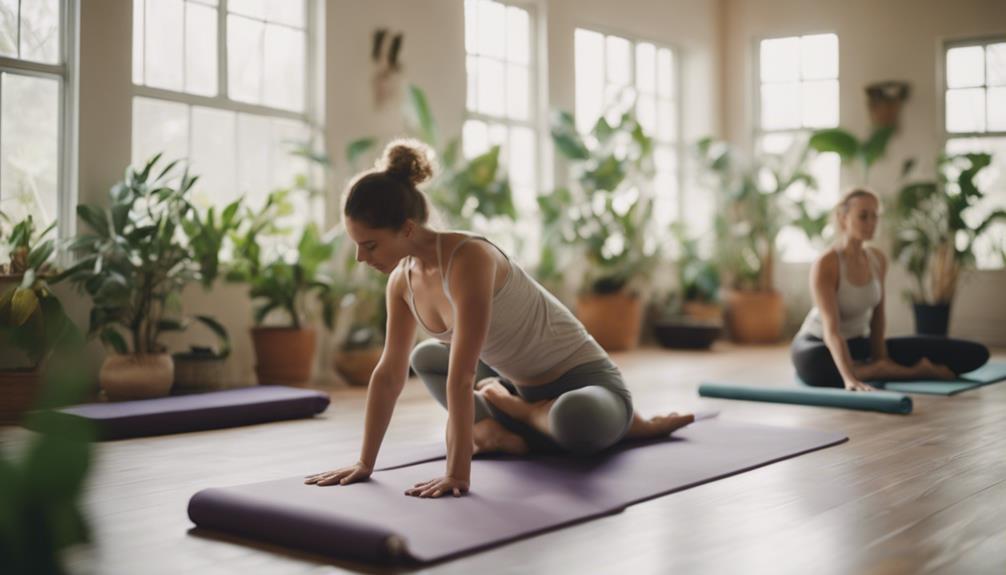
Hot yoga combines traditional yoga postures with a deliberately heated studio environment. In Annapolis, classes may range from structured sequences to breath-led flows, giving beginners and experienced practitioners several ways to explore the practice. The added heat can make a session feel more physically demanding, so choosing an appropriate class and learning how to manage effort are important parts of the experience. While practicing hot yoga in Annapolis, explore yoga styles to find practices that match your goals and preferences.
What is hot yoga?
Hot yoga is yoga practiced in a heated room, commonly within a range of about 85 to 105 degrees Fahrenheit. Humidity may also vary by studio. Heat changes the way a class feels: you may begin sweating quickly, your heart rate may rise, and familiar postures can require more concentration as the session progresses.
“Hot yoga” describes an environment rather than one single sequence. A studio may use the term for traditional fixed-sequence classes, athletic flow sessions, or slower classes adapted for a warm room. Read the class description carefully instead of assuming every heated class will have the same pace or structure.
Common hot yoga styles
- Fixed-sequence classes: These follow the same series of postures from one session to the next. Repetition can make it easier to notice changes in balance, mobility, and concentration.
- Hot vinyasa: Movement is linked to breathing, with teachers creating varied sequences that may include standing postures, transitions, balance work, and floor-based poses.
- Power or athletic hot yoga: These classes generally place greater emphasis on strength, core engagement, continuous movement, and challenging transitions.
- Gentler heated classes: Some studios offer slower, mobility-focused, or restorative-inspired sessions in a warm room. These may be a better starting point for people who want heat without a fast pace.
The style name, temperature, class length, and experience level listed by an Annapolis studio can help you find a session that matches your goals.
Potential benefits of practicing in the heat
Many students enjoy hot yoga because the combination of movement, warmth, and focused breathing creates a demanding but absorbing workout. Heat may make the body feel more mobile during class, while the sequence itself can challenge strength, balance, coordination, and stamina. A sustained focus on breathing and posture can also provide a useful mental break from everyday distractions.
These benefits do not require pushing to an extreme. The goal is not to stretch as far as possible simply because the room is warm. Controlled movement, steady breathing, and sound alignment matter more than reaching a deeper shape.
Preparing for your first hot yoga class
Preparation can make the experience more comfortable and help you pace yourself. Before attending a class in Annapolis, check the studio’s instructions and consider bringing:
- A refillable water bottle
- A yoga mat and an absorbent towel or mat towel
- A large towel for wiping sweat
- Light, comfortable clothing that allows free movement
Arrive early enough to get settled and tell the instructor that you are new to heated yoga. During class, take breaks when needed and use the options offered by the teacher. You do not have to match the pace of experienced students, complete every transition, or remain in a posture that feels unsafe. Readers comparing hot yoga in Annapolis can explore Nashville yoga options for similarly energizing studio experiences.
Heat-management and safety basics
Drink water regularly before and after class, and avoid treating sweat as a measure of how successful the session was. If you feel dizzy, nauseated, unusually weak, confused, or short of breath, stop exercising and move to a cooler area. Resting is a sensible part of hot yoga, not a failure.
Warm muscles can create a misleading sense of flexibility. Move gradually and avoid forcing a joint into a deeper position. Anyone with a medical condition, heat sensitivity, or concerns about vigorous exercise should seek appropriate medical guidance before attending. A responsible instructor should explain modifications, breaks, and the studio’s approach to managing the heated environment.
How to choose a hot yoga studio in Annapolis
When comparing hot yoga options in Annapolis, look beyond the word “hot.” Consider the class style, temperature, pace, instructor experience, room size, schedule, and whether the studio welcomes beginners. A fixed sequence may suit someone who values routine, while hot vinyasa may appeal to someone who prefers variety. A smaller class may offer more individual attention, whereas a larger class may provide a stronger group atmosphere.
It can also help to attend an introductory session before committing to a regular schedule. Ask what equipment is provided, how new students are supported, and which classes are most suitable for your current fitness and yoga experience.
Building a balanced practice
Hot yoga does not need to be your only form of movement. Pairing heated classes with nonheated yoga, strength work, walking, or other activities can provide variety and allow time for recovery. Start gradually, pay attention to how your body responds between classes, and increase frequency only when the practice feels sustainable.
Whether you are searching for hot yoga in Annapolis, Maryland, or simply want to try one heated session, approach the class with curiosity rather than pressure. The right combination of style, preparation, and self-awareness can make hot yoga a rewarding addition to your routine.