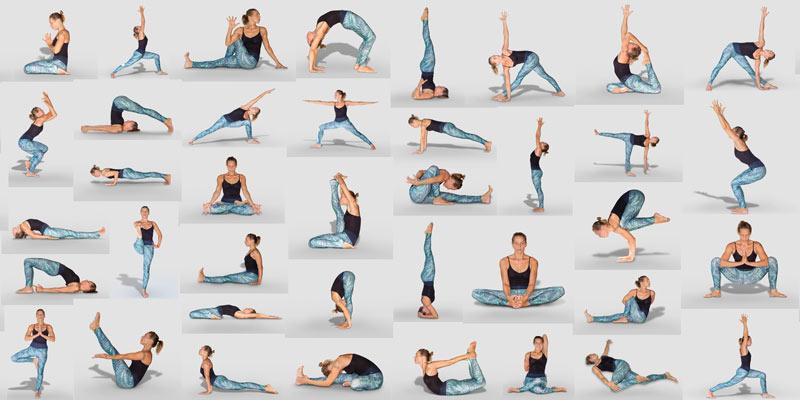
Restorative yoga teacher training can help you develop the skills to guide slow, supported practices that prioritize relaxation, comfort, and mindful awareness. Unlike more physically demanding styles, restorative yoga uses props and longer-held poses to create an environment where students can soften effort and rest deeply. During restorative yoga teacher training, exploring yoga styles can clarify which practices best support different students.
If you are searching for restorative yoga teacher training near you, the most convenient course is not always the best match. Consider the teaching approach, curriculum, practical experience, schedule, and support available after the program. A thoughtful comparison can help you choose training that fits both your personal practice and your professional goals.
Why Study Restorative Yoga?
People pursue restorative yoga training for several reasons. You may want to deepen your own understanding of supported poses, add a gentler style to an existing teaching practice, or learn how to create classes for students experiencing stress, fatigue, or a need for quieter movement.
Local training also offers benefits that can be difficult to replicate in a completely self-directed course. Regular in-person practice allows you to observe how an experienced teacher sets up props, gives instructions, manages transitions, and creates a calm class environment. Studying with a consistent group can also provide peer feedback and connections within your local yoga community.
What a Restorative Yoga Teacher Training May Include
Course content varies by school and instructor, but a well-rounded program will usually combine study, personal practice, and supervised teaching. Look for coverage of:
- Restorative pose foundations: How to use supported shapes, appropriate pacing, and longer holds.
- Props and setup: Practical use of bolsters, blankets, blocks, straps, and other available supports.
- Anatomy and safety: Basic considerations related to comfort, individual variation, contraindications, and adapting poses.
- Breath and relaxation: Ways to introduce breath awareness and guide students without creating pressure or strain.
- Sequencing: How to organize a complete class, including arrival, transitions, held poses, and a gradual closing.
- Teaching skills: Clear verbal cueing, observation, consent-based adjustments, and inclusive communication.
- Practice teaching: Opportunities to lead portions of a class and receive specific feedback from instructors and peers.
Experiential learning is especially valuable in restorative training. Receiving a sequence helps you understand the student’s perspective, while teaching it helps you refine timing, language, prop placement, and the amount of guidance you offer.
How to Evaluate Local Programs
Begin by researching studios, schools, and teachers in your area who regularly offer restorative classes or workshops. Read the full course description rather than relying on the title alone. A short introduction to restorative yoga may be useful for personal enrichment, but it may not provide enough practice or assessment for someone who wants to teach.
Before enrolling, ask questions such as: During restorative yoga teacher training, explore Fresno hot yoga classes to complement mindful movement and recovery.
- How much of the program is dedicated to supervised teaching?
- What experience does the lead instructor have with restorative yoga?
- Does the course address adaptations for different bodies and abilities?
- How are hands-on adjustments handled, and is student consent emphasized?
- Are props supplied, or must participants bring their own?
- What learning materials, assignments, or assessments are included?
- Is there mentoring, an alumni community, or an opportunity to assist after graduation?
Taking a regular class or attending an introductory workshop at the host studio can also help you assess the teacher’s communication style and the atmosphere of the training community.
Scheduling, Cost, and Certification
Restorative yoga courses may be offered as weekend intensives, multi-weekend programs, or longer courses spread across several weeks or months. Compare the total contact hours, independent study requirements, included materials, and opportunities for practice—not just the advertised price.
If you need a credential or continuing education credit, confirm exactly what the program provides before registering. Ask whether the training meets the requirements of the organization or registry relevant to your goals. A certificate of completion and a broader yoga teacher-training credential are not necessarily the same thing.
In-person study may be preferable if you want direct feedback and hands-on experience with props. A hybrid format can be more practical when travel, work, or family responsibilities make weekly attendance difficult. The important consideration is whether the online portion still includes meaningful interaction and whether practical teaching is assessed.
Choosing the Right Training for Your Goals
The best restorative yoga teacher training near you will depend on what you hope to do afterward. For personal development, a shorter foundational course may be sufficient. If you plan to teach public classes, look for substantial sequencing and supervised practice. If you hope to work with people who have complex needs, prioritize programs that discuss trauma-sensitive teaching, accessibility, safety, and appropriate professional boundaries.
Take time to compare several options, speak with the instructors, and review the curriculum carefully. A nearby training can offer more than convenience: it can provide a setting for consistent practice, practical mentorship, and relationships that continue as you develop your teaching voice.