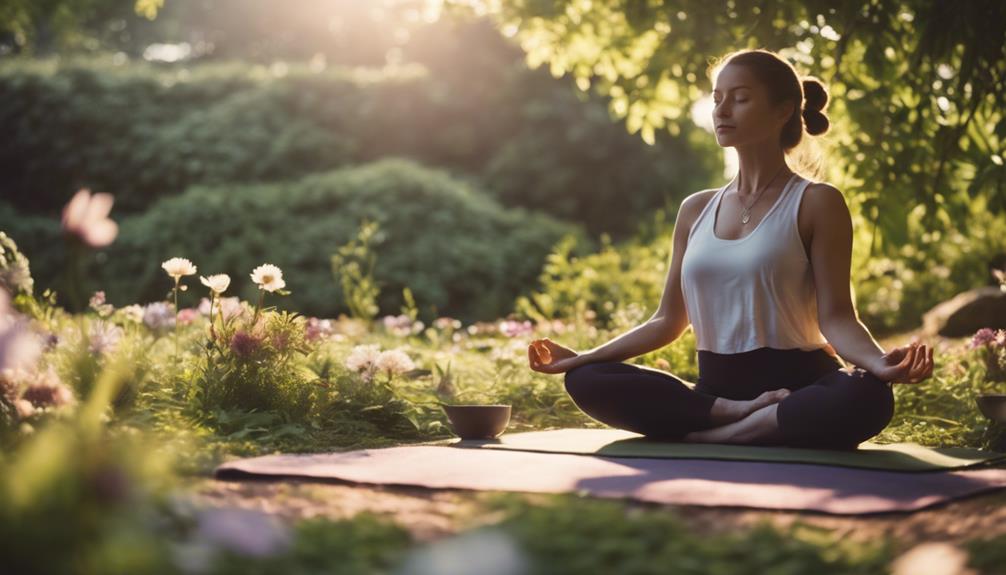
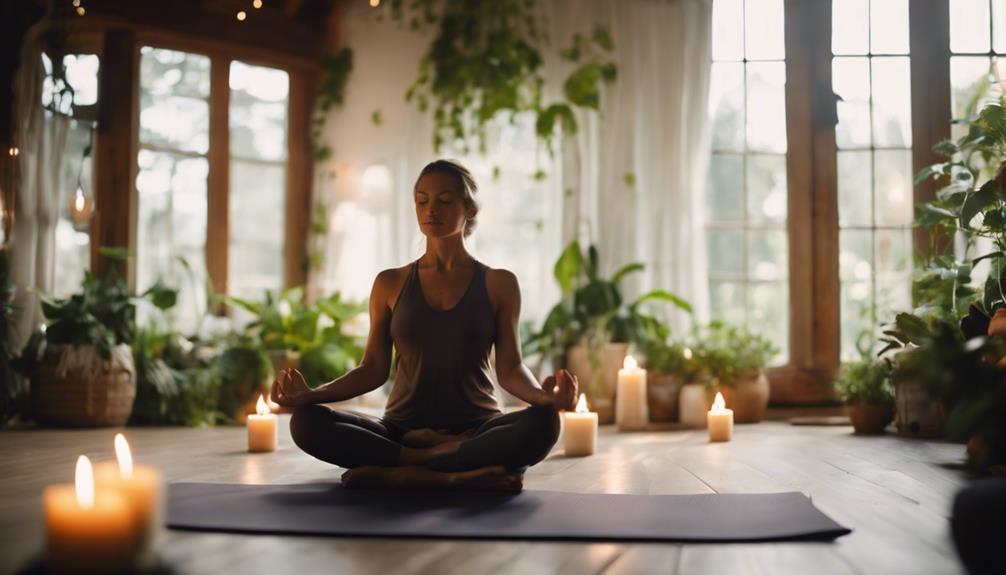
Learning yoga at home can be a simple, comfortable way to establish a regular practice. You do not need to be highly flexible, own extensive equipment, or already know how to perform advanced poses. With a suitable space, dependable instruction, and a gradual approach, you can learn the foundations of yoga at your own pace. If you’re new to practicing at home, explore yoga for beginners to build confidence with simple poses.
Why practise yoga at home?
Home practice removes many common barriers. You can choose a time that fits your schedule, repeat lessons when you need more explanation, and take breaks without feeling self-conscious. A familiar environment can also make it easier to concentrate on your breathing and notice how each movement feels.
The main challenge is creating enough structure to practise safely and consistently. Without a teacher in the room, avoid rushing into difficult poses or treating discomfort as something to push through. Begin with clear beginner instruction and progress in small steps.
Set up a simple practice space
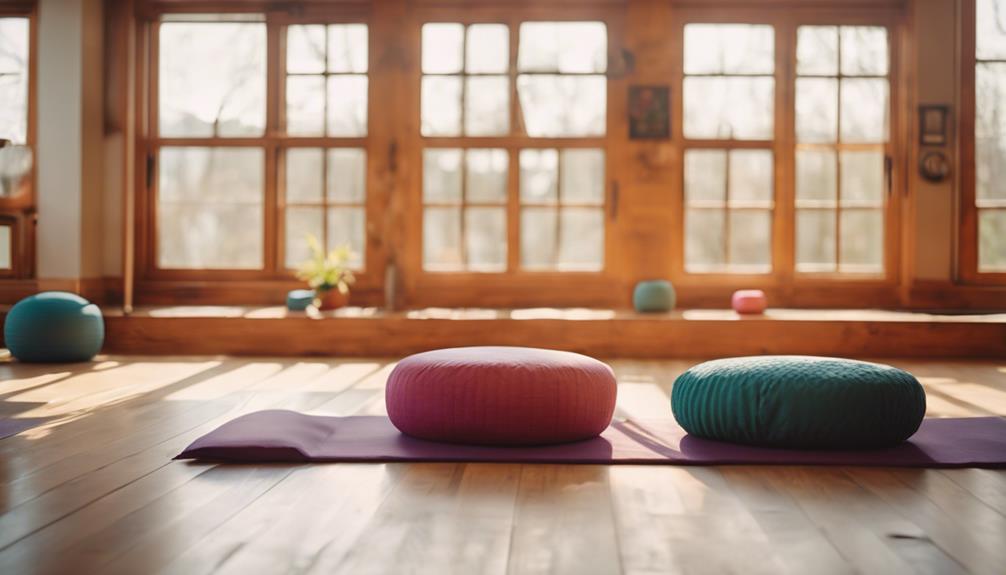
You only need enough room to extend your arms and legs without hitting furniture or other objects. A non-slip yoga mat and comfortable clothing are useful starting points. Choose a space where you can hear an online lesson clearly and where interruptions are limited.
Optional props can make practice more accessible:
- Yoga blocks: provide support when your hands do not comfortably reach the floor.
- A strap: can help you maintain a comfortable position without pulling or overstretching.
- A folded blanket: may support your hips, knees, or head during seated and restorative poses.
Keep the area uncluttered and use the same spot whenever possible. A consistent setting can serve as a useful reminder to practise.
Start with the fundamentals
Choose short sessions at first, such as 10 to 20 minutes. This gives you time to learn basic movements without making practice feel overwhelming. As your familiarity and stamina develop, you can gradually add time.
A beginner session might include:
- Gentle movements to warm up the spine, shoulders, and hips
- Simple standing poses to develop awareness and stability
- Foundational poses such as child’s pose, plank, and downward-facing dog
- A gentle twist or seated movement
- A quiet resting period at the end
Move slowly enough to understand the position of your body. Yoga is not a competition, and a pose does not need to look exactly like an instructor’s version to be useful. Keep breathing steadily rather than holding your breath to force a deeper movement.
Choose guidance carefully
Videos, online classes, apps, and written sequences can all support an at-home practice. For your first lessons, look for instruction designed for beginners. Helpful teachers explain alignment in clear language, demonstrate easier variations, and include time for breathing and rest.
Follow a progressive series instead of choosing advanced classes at random. Repeating a familiar sequence can help you learn how poses connect and identify which instructions still need attention. If a lesson moves too quickly or gives no options for modification, choose a different resource. Beginners can supplement home practice with effective yoga video lessons that demonstrate proper techniques and calming routines.
Make consistency easier
A realistic routine is more valuable than an ambitious plan that you cannot maintain. Schedule practice at a time when you are most likely to have energy and privacy. You might begin with several short sessions during the week and add a longer practice when your routine feels established.
Varying the emphasis can keep practice balanced:
- Mobility-focused sessions for gentle range-of-motion work
- Strength-focused sessions using standing poses and supported holds
- Restorative sessions with slower movements, breathing, and relaxation
If you miss a few days, simply return to a manageable session rather than trying to make up for lost time. Sustainable habits are built through regular repetition, not occasional intensity.
Common beginner mistakes
Waiting until you feel flexible
Flexibility is not an entry requirement. Begin with movements that suit your current ability, and use props or smaller ranges of motion when needed.
Copying a pose at any cost
Trying to force your body into a particular shape can lead to unnecessary strain. Adjust the pose, reduce its depth, or rest whenever the movement feels unsuitable. Stop if you experience sharp or stabbing pain rather than attempting to push through it.
Comparing yourself with other people
At home, focus on steadiness, breathing, and how you feel during and after practice. Progress may appear as greater control, less effort, or improved comfort rather than a dramatic change in appearance.
How to progress safely
Once the basic poses feel familiar, explore simple sequences that combine standing, balancing, strengthening, and restorative movements. Add difficulty gradually and keep returning to foundational instruction. You can also include a short meditation or guided relaxation if that supports your goals.
Occasional feedback from an experienced instructor can help clarify technique, especially if you are unsure about alignment or how to modify a pose. Keep notes about which sessions feel helpful and adjust your routine accordingly. With patience and regular practice, your home yoga routine can become a dependable way to move, breathe, and create time for quiet attention.