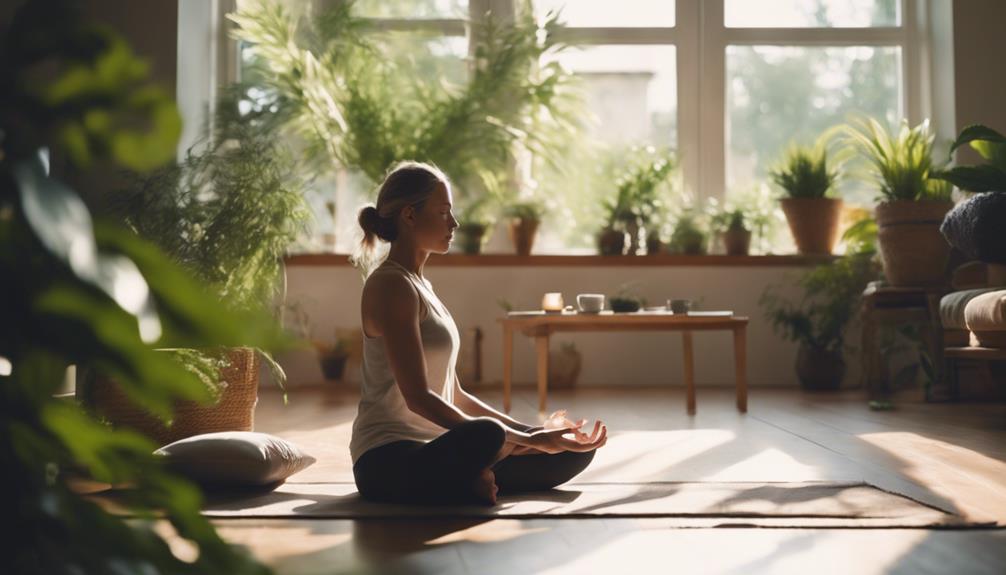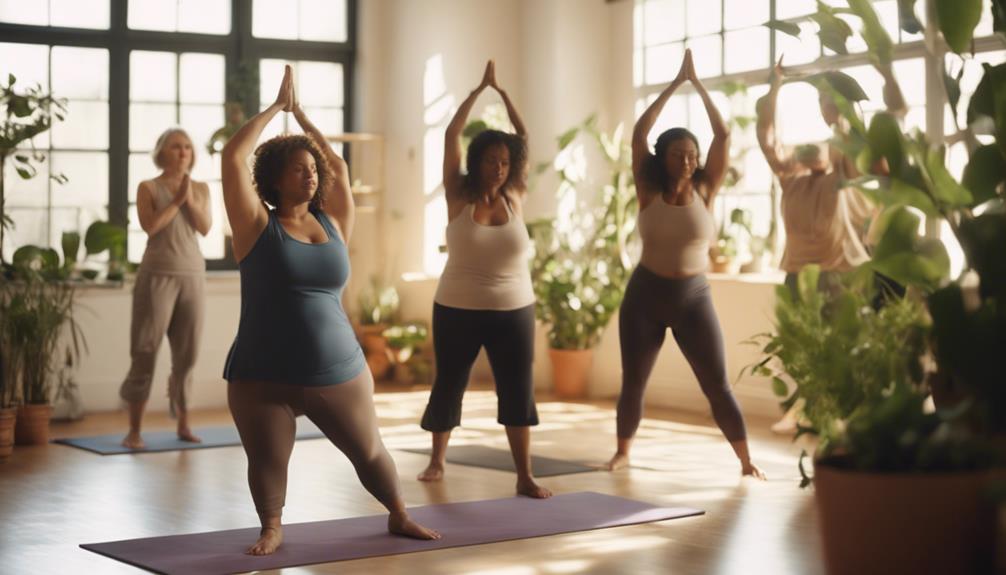
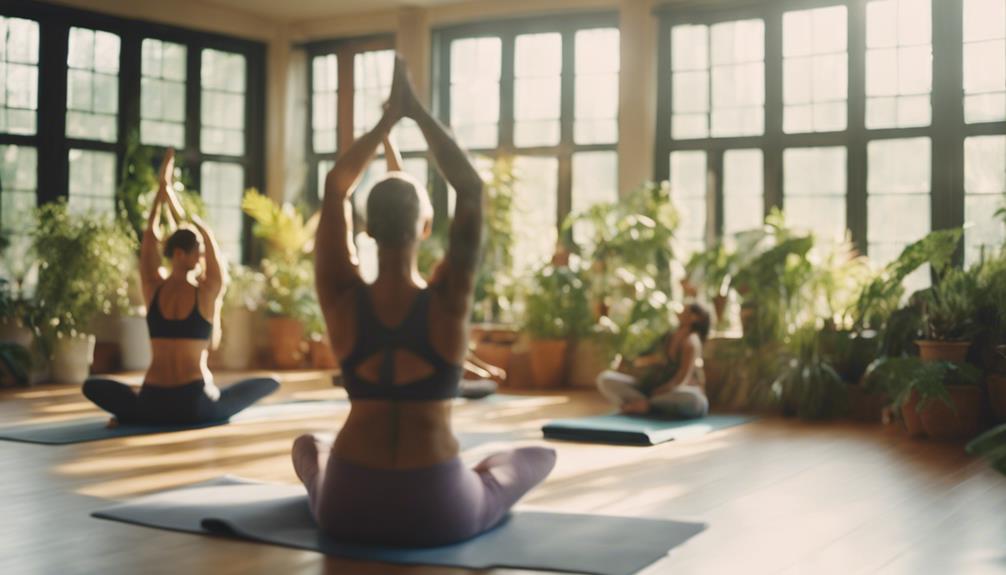
Finding a yoga studio downtown is about more than choosing the closest location. The right studio should fit your schedule, support your goals, and offer an atmosphere that makes you want to return. Whether you are new to yoga, rebuilding a regular practice, or looking for a different class style, a little research can help you make a confident choice. Explore nearby yoga classes to find convenient sessions that complement your downtown studio practice.
Why practice yoga downtown?
A centrally located studio can make regular attendance easier, especially if you work nearby or travel by public transportation. A short walk from the office or a convenient stop on your commute may be the difference between attending consistently and skipping class.
Downtown studios may also offer a variety of schedules and class formats. You might find an early morning session, a lunchtime class, or an evening practice that helps you transition out of the workday. The surrounding city environment can provide a useful contrast to yoga’s slower, more attentive pace: a dedicated period to breathe, move, and step away from daily demands.
Decide what you want from your practice
Before comparing studios, identify the kind of experience you are looking for. Your priorities will help narrow the choices and make reviews or class descriptions easier to evaluate.
- For beginners: Look for introductory, foundations, or all-level classes with clear instruction and modification options.
- For strength and energy: Consider more active formats, such as flow-based classes, if they match your experience and physical needs.
- For relaxation: Slower classes, restorative sessions, or practices focused on mobility may be a better fit.
- For convenience: Focus on studios with reliable times, accessible locations, and booking policies that work with your routine.
- For community: Pay attention to the studio’s atmosphere, class size, and opportunities to connect with other students.
What to expect at your first class
Arrive early enough to check in, change if necessary, set up your space, and speak with the instructor. Let the teacher know if you are new to yoga or have an injury, limitation, or other concern. You do not need to be flexible or experienced to attend; a good class provides ways to adjust movements and work at an appropriate level.
Studios can differ considerably in style. Some are quiet and minimal, while others use music and a more energetic presentation. Class size, room temperature, lighting, and the availability of hands-on guidance may also vary. If the atmosphere matters to you, try a drop-in class or visit before purchasing a larger package.
How to compare downtown studios
Begin with a local search for terms such as “yoga studio downtown” or “yoga near me.” Review several listings rather than choosing the first result. Studio websites and local profiles can help you compare locations, timetables, class descriptions, teacher information, introductory offers, and booking requirements.
Reviews can provide useful clues about instruction, cleanliness, customer service, and class experience, but read them in context. A complaint about an intense class may be helpful to someone seeking gentle movement, while another student may consider the same class a benefit. Check whether schedules, photographs, and policies appear consistent across the studio’s available listings. Downtown practitioners can explore men's yoga classes nearby for welcoming instruction tailored to male beginners. Readers exploring downtown yoga options can also compare Haverhill yoga classes for a different local studio experience.
If possible, visit more than one location. A studio that looks appealing online may feel different in person, and class attendance can change depending on the time of day. Consider the following practical details:
- How long the journey takes from home, work, or transit
- Whether the class times suit your normal week
- How easy it is to reserve a place
- Whether mats, blocks, straps, and other props are available
- How crowded the room feels during the classes you would attend
- Whether the space feels welcoming and well maintained
Questions to ask before buying a package
Ask for clear information before signing up for a membership or multi-class package. Find out whether the studio offers beginner guidance, how instructors handle modifications, and what level of personal attention is typical. If you have a physical concern, ask whether the teacher can suggest appropriate alternatives; when necessary, seek advice from a qualified healthcare professional before participating.
It is equally important to understand the business policies. Ask about package expiration dates, cancellations, late arrivals, refunds, introductory rates, and reservation limits. Popular classes may require advance booking, so make sure the system is practical for your schedule.
Building a sustainable yoga routine
Consistency is usually easier when yoga is attached to an existing habit. Choose class times that fit naturally around work, commuting, or other responsibilities, and reserve them as you would any important appointment. Trying different teachers and formats can help you discover what keeps you interested while showing you how the studio serves different needs.
Many students benefit from balancing more active classes with slower practices. You can also ask the studio about workshops or other educational events if you want to explore specific aspects of yoga. Bring your own mat when permitted, follow the studio’s shared-space guidelines, and arrive prepared to give yourself a focused period away from the pace of downtown.
Find your best fit
The best yoga studio downtown is not necessarily the largest or closest one. It is the place where the location, schedule, teaching style, policies, and atmosphere work together for you. Use local search to create a shortlist, visit or try a few classes, ask direct questions, and choose an option that makes regular practice realistic and enjoyable.