Breathing is always available, making it one of the simplest ways to begin a meditation practice. When you deliberately notice the breath, attention has a steady place to rest. This can help create a pause between a stressful event and your response, while also supporting a calmer, more focused state of mind. Explore mindful yoga practices to complement meditation breathing exercises and cultivate greater wellness, balance, and present-moment awareness.
Meditation breathing exercises do not require special equipment or extensive experience. You can practise while seated, standing, walking slowly, or resting before sleep. The most useful approach is usually gentle and consistent rather than forceful or complicated.
Why use the breath as a meditation anchor?
The breath changes with your physical activity, emotions, and surroundings. Noticing those changes gives you a practical way to observe your present state without judging it. In meditation, the natural rhythm of inhaling and exhaling becomes an anchor: when the mind wanders, you simply recognise it and return attention to the next breath.
Slowing down and softening the breath may also encourage the body to settle during ordinary moments of tension. Breath awareness is not a replacement for professional support, but it can be a useful complement to other approaches for managing everyday stress and building mindfulness.
Simple breathing meditations for beginners
1. Natural breath awareness
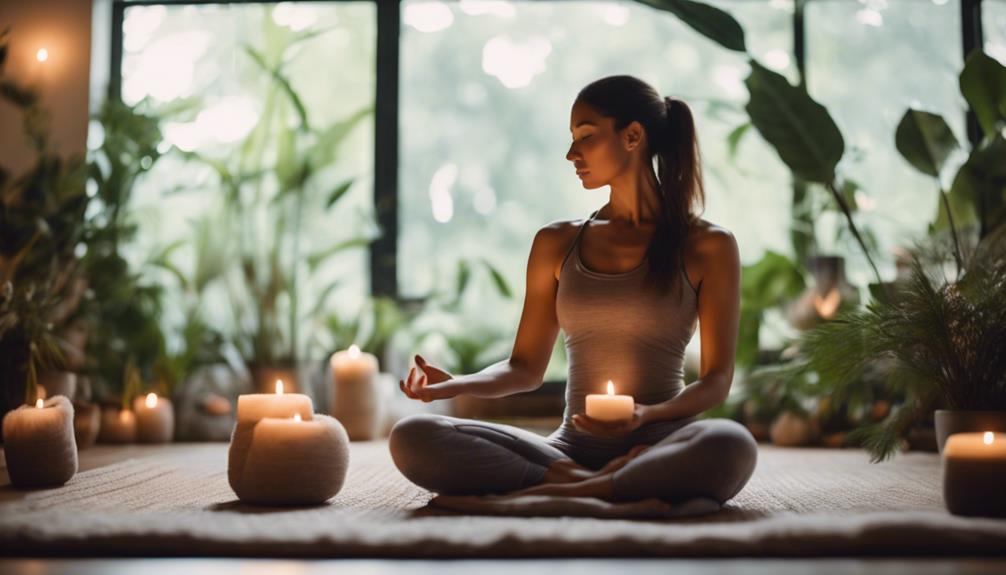
Sit comfortably with your back supported or gently upright. Let your hands rest wherever they feel natural. Close your eyes or lower your gaze, then notice the breath without trying to change it.
- Feel the air moving through the nose or mouth.
- Notice the movement of the chest, ribs, or abdomen.
- Observe whether the breath is fast, slow, shallow, or deep.
- When attention drifts, return gently to the next inhale or exhale.
Practise for two to five minutes at first. There is no need to create a special breathing pattern or achieve an empty mind.
2. Counting the exhalations
Allow the breath to remain comfortable. Count each exhalation from one to five, then begin again. If you lose count, start at one without treating it as a mistake. This method gives the mind a simple task while preserving the natural rhythm of breathing.
3. Gentle extended exhalation
Once natural breathing feels comfortable, try inhaling softly and allowing the exhalation to last slightly longer. Do not force a deep breath or empty the lungs completely. A relaxed inhale followed by an easy, unhurried exhale is enough. Return to your normal breathing if you feel strain, light-headedness, or discomfort.
A short practice for stress and focus
When you need a brief reset, try this five-minute sequence: Meditation breathing exercises can introduce breath retention practice while emphasizing calm control and gradual, comfortable progress.
- Settle into a stable, comfortable position.
- Notice three physical sensations, such as your feet on the floor or your hands resting.
- Follow the natural breath for several cycles.
- Let the exhalation soften and lengthen slightly, without holding the breath.
- Finish by noticing the room around you and return to your activity gradually.
Guided breathing recordings can be helpful if you prefer spoken prompts or find it difficult to practise alone. Choose instructions that encourage comfort and flexibility rather than demanding a particular depth, speed, or duration.
Adding breathwork to yoga and daily routines
Breath awareness can be included before, during, or after gentle yoga. Spend a few minutes observing the breath before movement, then try to keep it smooth while changing positions. After practice, return to quiet breathing for a short seated meditation or relaxation period.
You can also connect breathing with regular transitions in the day:
- Take a few mindful breaths before opening email or beginning a meeting.
- Use natural breath awareness while waiting in a queue.
- Pause for several comfortable exhalations after finishing work.
- Practise quietly in bed if observing the breath helps you settle.
The purpose is not to control every breath. It is to develop a reliable moment of attention that can be revisited in ordinary circumstances.
Safety and helpful practice habits
Start with five to ten minutes or less, and practise regularly if it feels beneficial. Sit or lie down in a position that allows easy breathing. Avoid straining, rapid breathing, or prolonged breath retention unless you have appropriate instruction and know that the technique is suitable for you.
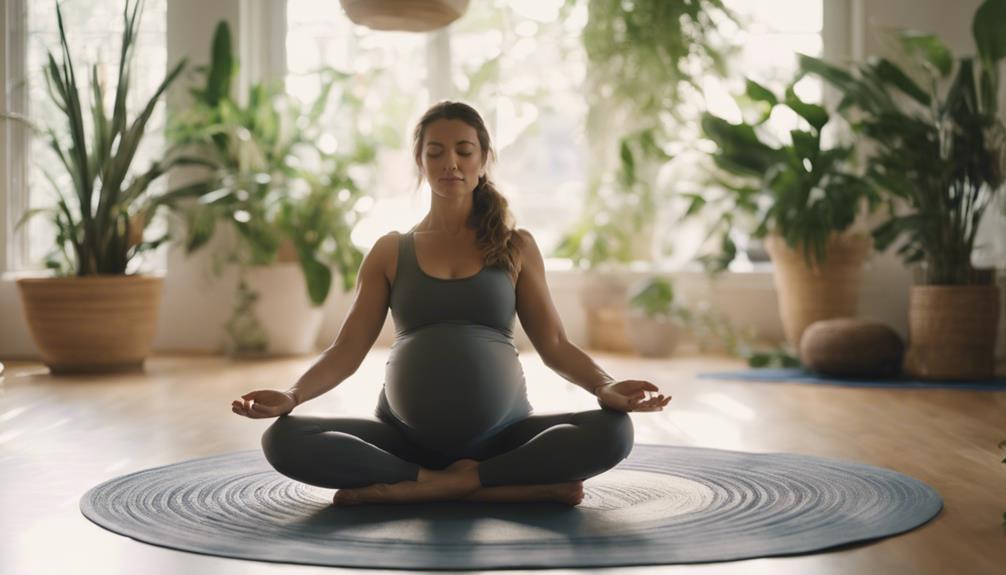
Stop if you feel dizzy, panicked, short of breath, or otherwise unwell, and return to normal breathing. People with respiratory or cardiovascular conditions, those who are pregnant, and anyone with concerns about intensive breathwork should seek advice from a qualified healthcare professional before trying demanding techniques.
A simple practice is enough: notice the breath, meet distractions with patience, and begin again. With regular, compassionate attention, breathing meditation can become a practical way to support focus, self-awareness, and steadiness throughout the day.