Yes, many healthy adults can improve their breath-hold time with gradual, controlled practice. However, the change is not simply a matter of making the lungs larger. Breath holding depends on lung volume, breathing technique, muscle relaxation, oxygen use, and the body’s response to rising carbon dioxide. mindful breathwork practices from yoga can improve respiratory awareness while supporting safer, calmer breath-hold training.
The urge to breathe is influenced strongly by carbon dioxide building up in the blood. With careful practice, a person may become more comfortable with that sensation and learn to remain relaxed for longer. This does not make breath holding risk-free, and it does not mean that discomfort should be ignored or pushed through.
What breath-hold training can change
Your chest, lungs, and breathing muscles determine how much air you can take in and release. Training may improve breathing mechanics and coordination, but many early improvements come from reducing unnecessary tension and learning to use oxygen efficiently.
Relaxation is especially important. Tight facial muscles, raised shoulders, movement, and anxious thoughts all increase the body’s demand for oxygen. A calm posture and quiet attention can make a comfortable hold feel easier without requiring extreme effort.
How to begin safely
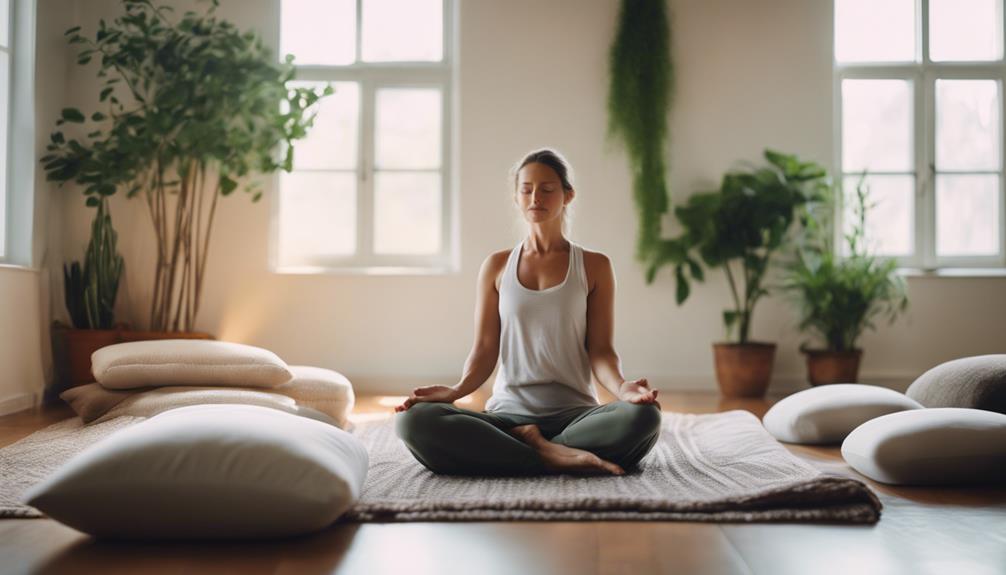
Practice only when you are alert, rested, and seated or lying down in a safe place. Never practice breath holds in water, in the bath, while driving, or during any activity where losing consciousness could cause injury. Do not train alone when attempting longer or more advanced holds.
Begin with several minutes of ordinary, slow breathing. Let the abdomen and lower ribs move naturally rather than forcing very large breaths. Then try a brief hold after a normal breath, staying well below your maximum. Resume easy breathing and allow yourself to recover fully before repeating.
A simple session can include:
- Quiet, comfortable breathing to settle your posture and attention.
- A few short holds with generous recovery between attempts.
- Relaxed breathing at the end of the session.
Increase duration only in small steps, and only when the previous level feels controlled and comfortable. A shorter hold with relaxed breathing is more useful than a personal-best attempt that leaves you distressed. Practicing a few times per week, with rest between more demanding sessions, gives you an opportunity to notice how your body responds.
Why hyperventilation is dangerous
Do not rapidly or forcefully breathe before a breath hold in an attempt to last longer. Hyperventilation can lower carbon dioxide enough to delay the normal urge to breathe without providing a safe increase in oxygen. This may create a false sense of control and increase the risk of passing out, particularly in water. yoga relaxation techniques can calm breathing patterns, helping you practice longer breath holds with greater comfort.
A normal, calm breathing pattern is the safer foundation for breath-hold practice. Stop immediately if you feel dizzy, confused, unusually weak, numb, faint, or unwell. Chest pain, severe breathlessness, an irregular heartbeat, or symptoms that continue after practice warrant medical attention.
Using breath retention in yoga or mindfulness
Some yoga practices include breath retention, often called kumbhaka. In a wellness or mindfulness setting, the purpose is not to achieve the longest possible hold. The emphasis is on awareness, steadiness, and observing sensations without strain.
If you include retention in a yoga routine, first become comfortable with slow breathing and gentle movement. Keep the holds brief enough that your face, throat, and shoulders remain relaxed. Guidance from a suitably trained teacher can help, especially if you are unfamiliar with breathwork or are adding retention to an established practice.
Set realistic expectations
Progress varies considerably. Sleep, stress, illness, fitness, posture, and previous experience can all affect performance from one day to the next. Improvements are more likely to develop gradually over weeks or months than through a single intense session.
Rather than measuring success only by seconds, pay attention to whether your breathing is calmer, your posture is more comfortable, and your recovery is easy. Recording occasional, comfortable practice results can help you notice trends, but frequent maximum tests are unnecessary and can encourage unsafe competition with yourself.
Who should seek medical advice first?
Speak with a health professional before attempting breath-hold training if you have heart or lung disease, asthma that is not well controlled, high blood pressure, a neurological condition, or a history of seizures. Pregnancy is another reason to seek individualized guidance rather than beginning an independent breath-retention program.
In short, you can often train to hold your breath longer, but the safest gains come from calm breathing, relaxation, modest progression, and careful attention to warning signs. Breath holding should remain a controlled wellness exercise—not a test of how far you can push your body.