Yoga poses, or asanas, are more than physical shapes. They can develop strength, mobility, balance, and body awareness while also offering a way to practise qualities such as steadiness, courage, patience, and rest. Learning the traditional associations of a pose can give your practice greater intention, provided you also pay attention to how the posture feels in your own body.
What does a yoga pose mean?
The meaning of a yoga pose may come from its name, its shape, an image from nature, or the quality it is traditionally understood to represent. For example, Mountain Pose suggests groundedness and stability, while Tree Pose evokes balance, rootedness, and growth.
These meanings are best treated as invitations rather than strict rules. A posture does not have one fixed emotional or spiritual effect for everyone. Its value can change according to your breathing, concentration, physical condition, and the intention you bring to the practice.
Why the meaning of asanas matters
Considering the purpose behind a pose can make yoga more attentive and less mechanical. Instead of moving through a sequence simply to reach a particular shape, you can ask what quality you are practising in that moment.
- Stability: Standing poses can encourage awareness of your feet, legs, and alignment.
- Strength: Weight-bearing postures invite controlled effort and resilience.
- Balance: Balancing poses develop concentration and the ability to respond to change.
- Rest: Restorative and gentle positions create space to slow down and notice the breath.
- Mindfulness: Holding a pose with steady breathing can strengthen attention to present-moment sensations.
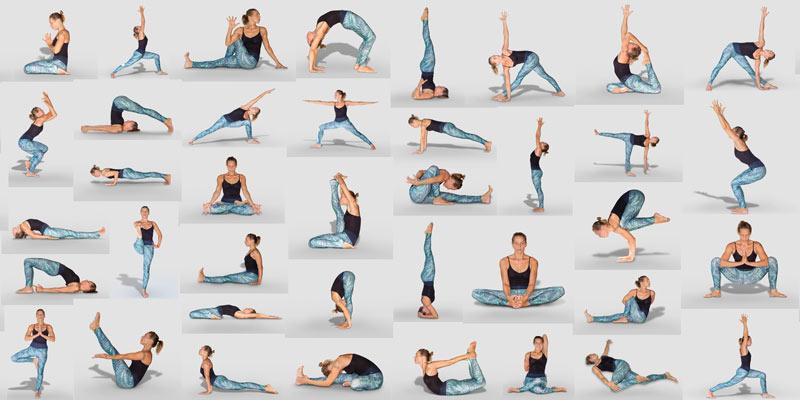
Common yoga poses and their traditional associations
| Pose | Sanskrit name | Common association | Practice focus |
|---|---|---|---|
| Mountain Pose | Tadasana | Grounding, uprightness, and steadiness | Postural awareness and balance |
| Downward-Facing Dog | Adho Mukha Svanasana | The familiar stretch of a dog | Whole-body strengthening and lengthening |
| Warrior I | Virabhadrasana I | Courage, determination, and purposeful effort | Leg strength, stability, and focused breathing |
| Tree Pose | Vrksasana | Rootedness, balance, and growth | Concentration and single-leg balance |
| Child’s Pose | Balasana | Rest, humility, and turning inward | Gentle release and recovery |
Sanskrit names and translations can be explained in slightly different ways, and the symbolic interpretations of poses vary among yoga traditions and teachers. The table provides familiar associations rather than universal definitions.
Physical and mental benefits of practising asanas
A considered yoga practice may support flexibility, muscular strength, balance, coordination, and awareness of posture. Moving slowly and pairing movement with breathing can also make the practice feel calming and focused. These benefits depend on the poses chosen, the way they are performed, and the consistency of practice.
Yoga should not be viewed as a competition or as a test of how deeply you can move. A smaller, well-controlled version of a pose can be more useful than forcing the body into a shape that causes pain or strain.
How to practise with intention
Choose one quality
Before beginning, select a simple theme such as steadiness, patience, courage, or rest. Return to that idea as you move between poses.
Use the breath as a guide
Keep the breath smooth and natural. If breathing becomes strained, consider reducing the intensity, changing the position, or resting.
Adapt the posture
Use a wall, chair, folded blanket, or other suitable support when helpful. Props and modifications are practical ways to make a pose more accessible; they do not diminish its meaning.
Notice rather than judge
Pay attention to sensations, thoughts, and changes in balance without treating them as successes or failures. This observational quality is part of practising mindfully.
Practising safely
Begin with basic postures and progress gradually. Distinguish between the ordinary effort of a stretch and sharp, sudden, or persistent pain. Stop or modify a pose when something feels wrong, and seek guidance from a qualified instructor if you are unsure how to practise safely. People with injuries, ongoing health concerns, or specific physical limitations may need individual advice before starting or changing a routine.
Finding personal meaning in yoga
The symbolism of yoga poses can deepen practice, but meaning is not separate from direct experience. Mountain Pose may remind one person to stand firmly, while another may use it to reconnect with quiet attention. The most useful approach is to learn the traditional associations, practise with care, and allow your own awareness to shape what each pose represents.