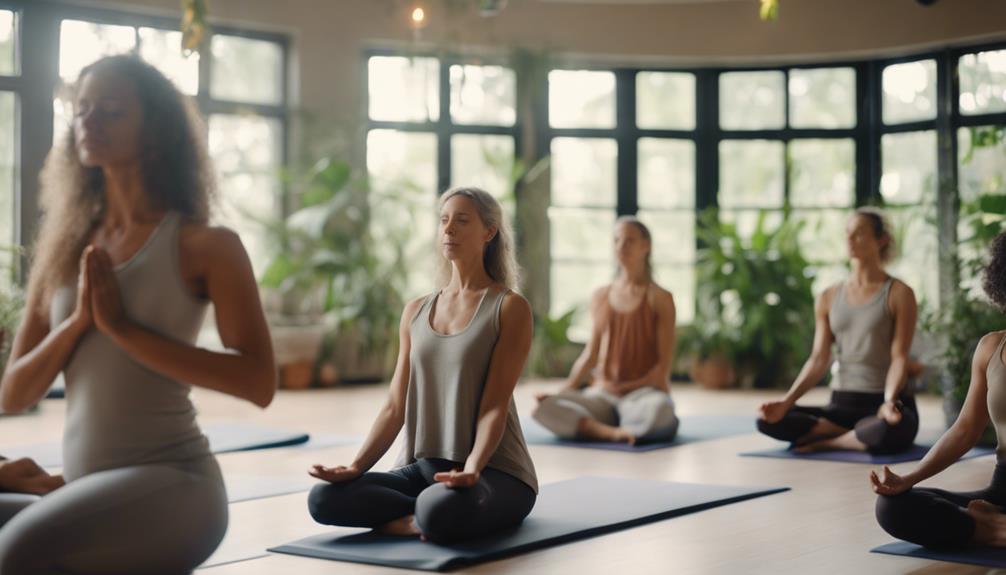
Yoga is often introduced through physical postures that develop strength, flexibility, balance, and body awareness. Those aspects are important, but they represent only one part of a broader practice. Yoga also offers a philosophical approach to living—one concerned with attention, ethical conduct, self-understanding, and the relationship between the individual and the wider world.
Yoga as a practice of integration
The word yoga is commonly associated with union or connection. In practice, this idea can be understood as an effort to bring greater harmony to the body, mind, and inner life. Rather than treating physical health and mental wellbeing as completely separate, yoga encourages practitioners to notice how they influence one another.
A posture may require physical effort, but it also invites concentration. Breathing can steady attention, while stillness can reveal patterns in thought and emotion. This integrated approach distinguishes yoga from exercise that focuses only on measurable physical performance. The mat becomes a setting for developing awareness that can extend into ordinary activities and relationships.
Self-awareness and personal transformation
Yoga’s philosophical dimension begins with observation. Through movement, breathwork, and meditation, practitioners are encouraged to notice sensations, thoughts, reactions, and habits without immediately being controlled by them. This process does not require judging every experience as good or bad. Instead, it creates an opportunity to understand oneself more clearly.
Greater self-awareness can support personal change. When people recognise how they respond to stress, discomfort, desire, or uncertainty, they may become better able to choose how to respond. In this sense, yoga is not simply about achieving a particular pose. It is also about developing patience, discernment, and a more deliberate relationship with one’s actions.
Many yoga traditions describe this inward process in terms of self-realisation: gaining a clearer understanding of one’s deeper nature and values. The idea is not that a practitioner becomes perfect, but that regular reflection can reduce confusion and encourage a life that is more consistent with sincerely held principles.
The ethical principles of yoga
Yoga philosophy includes guidance for conduct, not only techniques for physical practice. Two groups of principles commonly discussed are the yamas and niyamas. They can be viewed as practical areas for reflection rather than a checklist used to judge oneself or others.
- The yamas concern how we relate to other people and the world. They include non-violence, truthfulness, non-stealing, moderation, and non-possessiveness.
- The niyamas concern personal discipline and inner development. They include cleanliness, contentment, disciplined effort, self-study, and dedication to something greater than the individual ego.
Applied thoughtfully, these principles can raise useful questions: Am I acting with care? Am I being honest? What is enough? Which habits support my wellbeing, and which create unnecessary harm? Their purpose is to connect practice on the mat with everyday choices.
Yoga, mindfulness, and meditation
Mindfulness and meditation are closely related to yoga, although each can also be practised independently. Mindfulness involves paying attention to present experience—including thoughts, emotions, bodily sensations, and surroundings—with less automatic judgment. Meditation provides a more deliberate setting for cultivating that quality of attention.
Yoga postures can prepare the body and attention for stillness, while breath awareness can help practitioners remain connected to the present moment. Meditation, in turn, can deepen the concentration and self-observation developed during physical practice. Together, these approaches encourage a quieter and clearer relationship with experience.
The goal is not to eliminate every thought or emotion. Rather, practitioners learn to notice mental activity without following every impulse. With practice, this can create space between an experience and a reaction, making it easier to meet difficult moments with patience and clarity.
Interconnection and compassion
Yoga philosophy also challenges the idea that the individual exists entirely apart from other people and the natural world. Its emphasis on connection can encourage a broader sense of responsibility and compassion. Recognising shared human experiences may make it easier to respond to others with understanding rather than treating every situation as a competition between separate interests.
This perspective does not require abandoning individuality. Instead, it invites practitioners to balance personal development with awareness of how their choices affect others. Yoga’s philosophical value ultimately lies in this movement between inward attention and outward care: understanding oneself more honestly while becoming more considerate of the world one shares with others.
Bringing the philosophy into daily life
The philosophy behind yoga does not have to remain an abstract subject. It can be explored through small, consistent actions:
- Pause and observe the breath before reacting to a stressful situation.
- Practise honesty while also communicating with kindness.
- Notice habits of excess, attachment, or comparison.
- Set aside time for self-study, journaling, or meditation.
- Approach physical practice with curiosity rather than constant self-judgment.
Seen this way, yoga is more than a sequence of poses. It is an ongoing invitation to cultivate awareness, ethical intention, inner steadiness, and connection. The physical practice may be where many people begin, but the philosophy gives that practice a wider purpose.