Inner peace does not require a perfectly quiet life. It can begin with learning how to meet busy thoughts, physical tension, and difficult emotions with a little more steadiness. Yoga offers a practical way to do that by bringing together movement, breathing, and attention. The aim is not to perform advanced poses, but to create a regular opportunity to slow down and notice what is happening in the body and mind. Explore wellness and mindfulness practices that deepen yoga’s calming benefits and support lasting inner peace.
How yoga can support inner peace
Stress often narrows our attention and encourages quick, reactive responses. A mindful yoga practice interrupts that pattern by asking you to move deliberately, notice physical sensations, and return to the breath whenever the mind wanders. Even a short session can provide a clear transition between external demands and a calmer state of awareness.
Over time, practicing this pause may make it easier to recognise tension before it becomes overwhelming. Yoga can also offer a constructive way to explore restlessness, fatigue, or emotional pressure without needing to solve everything immediately. The benefits are often subtle: a more settled breath, greater patience, or a clearer sense of what you need in the moment.
Gentle yoga practices for a peaceful mind
When your goal is calm, choose movements that feel steady and sustainable. Keep the breath comfortable, avoid forcing a stretch, and allow transitions to be slower than usual. The following practices can form the foundation of a peaceful sequence:
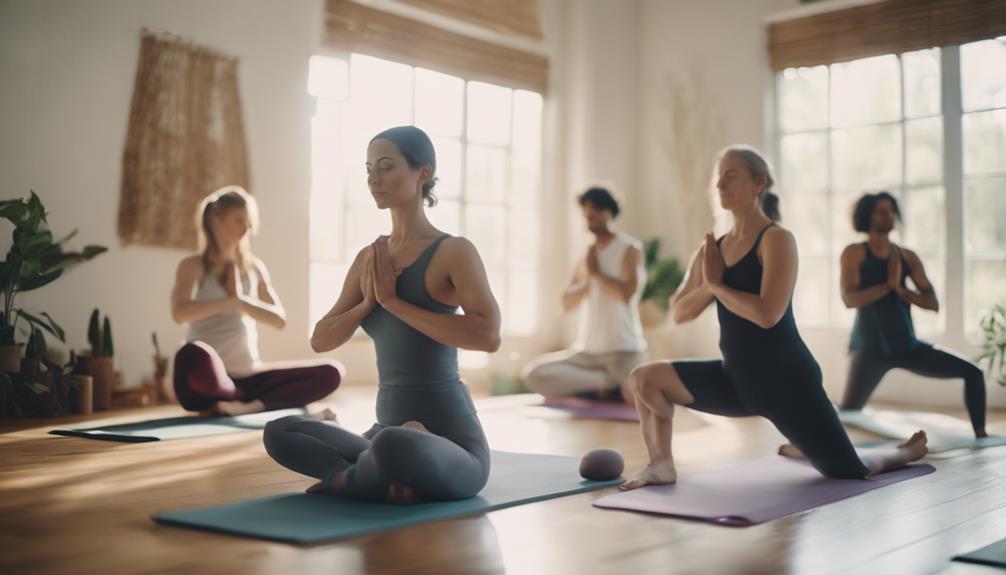
- Seated breathing: Sit comfortably with the spine relaxed but upright. Notice the natural breath, then gradually make the exhalation a little longer without straining.
- Child’s pose: Rest in a supported version of the pose, using cushions or keeping the knees wide if that feels more comfortable. Let it become a place to pause rather than a test of flexibility.
- Cat–cow movement: Move gently between rounding and lengthening the spine, matching each movement to an easy inhale or exhale.
- Seated forward fold: Hinge only as far as you can while keeping the breath smooth. Bending the knees or sitting on a folded blanket can make the position more accessible.
- Legs supported in a resting position: Lie down with the lower legs on a chair or sofa. This can provide a comfortable alternative to more demanding inversions.
- Savasana: Finish by lying down or resting in another supported position. Give yourself several quiet minutes to feel the effects of the practice.
Breathing to create a pause
Breathwork does not need to be complicated. Begin by observing the breath without trying to change it. Then try breathing in gently and allowing the exhalation to last slightly longer. Repeat for a few rounds, stopping if you feel uncomfortable, light-headed, or more anxious.
Alternate-nostril breathing is another traditional practice that some people find centring. It should be performed slowly and comfortably, without holding the breath forcefully. If a technique feels distracting rather than calming, return to natural breathing. The most useful practice is the one that helps you remain present and at ease.
Creating a regular yoga routine
Consistency matters more than intensity. A ten-minute practice that you can repeat regularly is often more useful than an ambitious routine that leaves you feeling pressured. Choose a time when interruptions are less likely, and keep your setup simple: a mat or comfortable floor space, loose clothing, and perhaps a cushion or folded blanket.
A morning practice might include quiet breathing, gentle spinal movement, and one or two standing poses to encourage grounded attention. In the evening, favour slower stretches, supported poses, and relaxation. You can also use a brief practice as a transition after work or before an activity that normally causes tension. Explore inner peace practices that complement mindful yoga and support a calmer, more balanced daily routine.
Balancing calm with strength
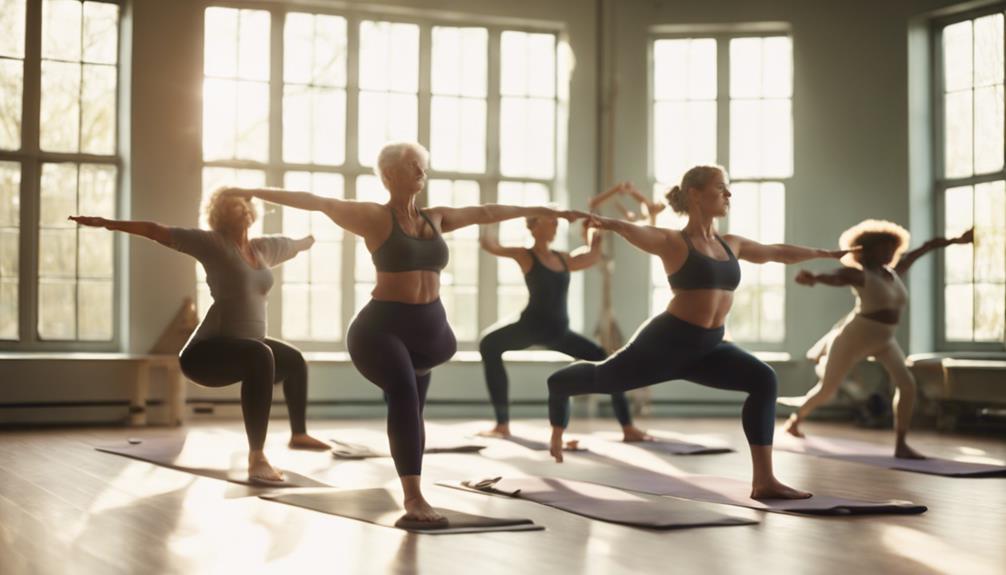
Inner peace is not the same as avoiding challenge. Carefully chosen strengthening poses can develop confidence and a sense of stability, while restorative poses help release unnecessary effort. Try including a steady standing pose such as mountain pose, tree pose, or a comfortable warrior variation, then follow it with a gentle rest.
During a challenging position, notice whether you can remain connected to the breath instead of rushing or holding tension. This combination of steadiness and softness is one of yoga’s most useful lessons: you can be engaged without becoming overwhelmed.
Taking the practice beyond the mat
The calming skills developed in yoga can be applied during ordinary moments. Before replying to a difficult message, pause to feel your feet on the ground and take one unhurried breath. When you notice your shoulders tightening, soften them and check whether you are holding your breath. A short pause will not remove every problem, but it can create space for a more considered response.
Journaling, quiet reflection, or a few minutes of meditation can also help you notice patterns revealed during practice. Perhaps you find that certain situations consistently lead to shallow breathing or that rest feels uncomfortable. Treat these observations with curiosity rather than criticism.
Practising with patience and care
Yoga for inner peace is not measured by how deeply you stretch or how still your mind becomes. Progress may look like noticing distraction sooner, resting without guilt, or returning to the breath after a stressful moment. Adapt poses to your body, use support when needed, and stop any movement that causes pain. If you have an injury or a health concern, seek appropriate professional guidance before beginning a new physical routine.
With regular, compassionate practice, yoga can become a dependable space for reconnecting with your body, settling your attention, and meeting daily life with greater clarity.