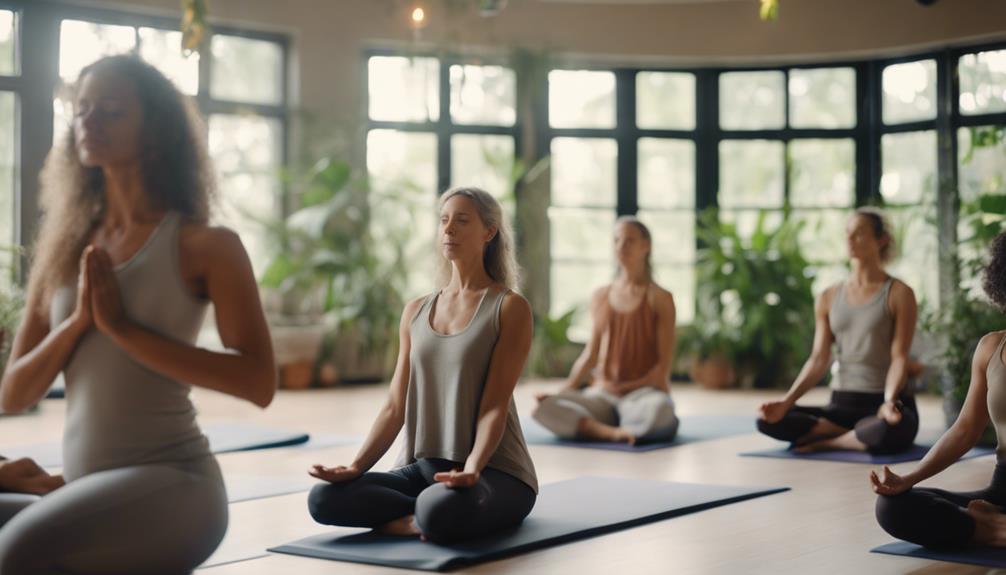
Yoga is not a single exercise routine. It is a broad practice that can combine physical postures, breathing techniques, meditation, and mindfulness. Different styles place emphasis on different parts of that experience. Some classes move slowly and give you time to explore each posture, while others connect poses in a continuous flow.
Two widely recognised approaches are Hatha yoga and Vinyasa yoga. Understanding how they differ can make it easier to choose a practice that matches your goals, experience, and preferred pace.
What is yoga?
Yoga brings attention to the relationship between the body, breath, and mind. Its physical postures, known as asanas, may help develop flexibility, strength, balance, coordination, and body awareness. Breathing practices, or pranayama, encourage deliberate control of the breath and can provide a focus for calming the mind.
Many yoga practices also include meditation or mindfulness. Rather than concentrating only on physical performance, practitioners are encouraged to notice their breathing, movements, thoughts, and sensations in the present moment. This combination of movement and awareness may support relaxation, concentration, and a greater sense of mental and emotional balance.
Hatha yoga: a steady foundation
Hatha yoga generally offers a slower, more deliberate approach to physical practice. Poses are often held for a period of time instead of being linked together in a rapid sequence. This gives practitioners an opportunity to pay attention to alignment, breathing, balance, and how each posture feels.
A Hatha session commonly combines:
- Physical postures that stretch and strengthen the body
- Breathing exercises to develop breath awareness
- Periods of concentration, relaxation, or meditation
- Transitions that are controlled rather than rushed
Because the pace can be measured and adaptable, Hatha yoga can be a useful starting point for someone who wants to become familiar with basic postures and breathing techniques. It can also suit experienced practitioners who prefer a quieter session focused on detail and awareness.
What to expect from Hatha yoga
A Hatha practice may feel physically challenging without being continuously fast-paced. You may spend time building stability in a pose, adjusting your posture, or coordinating movement with a slow breath. The aim is not simply to reach the most advanced version of a posture. Instead, the practice encourages a balance between effort and ease, strength and flexibility, and activity and relaxation.
Vinyasa yoga: movement linked to breath
Vinyasa yoga is more dynamic and flow-based. In this style, one posture leads into the next through a sequence of movements coordinated with the breath. The result is a continuous practice in which transitions are just as important as the poses themselves.
In a typical Vinyasa approach, practitioners may inhale as they move into one position and exhale as they move into another. This breathing pattern helps create rhythm and gives the mind something specific to focus on. The steady connection between breath and movement is sometimes described as meditation in motion.
Vinyasa sequences can vary considerably. A teacher may combine different postures, transitions, and levels of difficulty, so one class may feel very different from another. Modifications can make the practice more accessible, while experienced students may explore more demanding sequences.
What to expect from Vinyasa yoga
Vinyasa may raise the physical intensity compared with a slower practice because the body remains in motion for much of the session. The repeated transitions can challenge strength, balance, coordination, and stamina. At the same time, attention to breathing and mindful movement can help maintain focus and discourage rushing through the sequence.
Hatha or Vinyasa: which should you choose?
The best style depends on what you want from your practice and how you prefer to learn. Hatha may be a better fit if you value a slower pace, longer holds, detailed instruction, or time to become comfortable with individual poses. Vinyasa may appeal to you if you enjoy continuous movement, changing sequences, and coordinating physical activity with your breath.
You do not have to choose only one style. Many people use a steadier Hatha practice to develop awareness and technique, then explore Vinyasa when they want a more flowing session. Whichever approach you try, work within your current abilities, use available modifications, and treat breathing and mindful attention as important parts of the practice rather than optional extras.
The common thread between yoga styles
Although Hatha and Vinyasa differ in pace and structure, both can connect physical movement with breathing and mental awareness. The practice may support flexibility, strength, balance, relaxation, and a clearer awareness of the body and mind. Starting with a style that feels manageable makes it easier to build consistency and discover which aspects of yoga are most valuable to you.