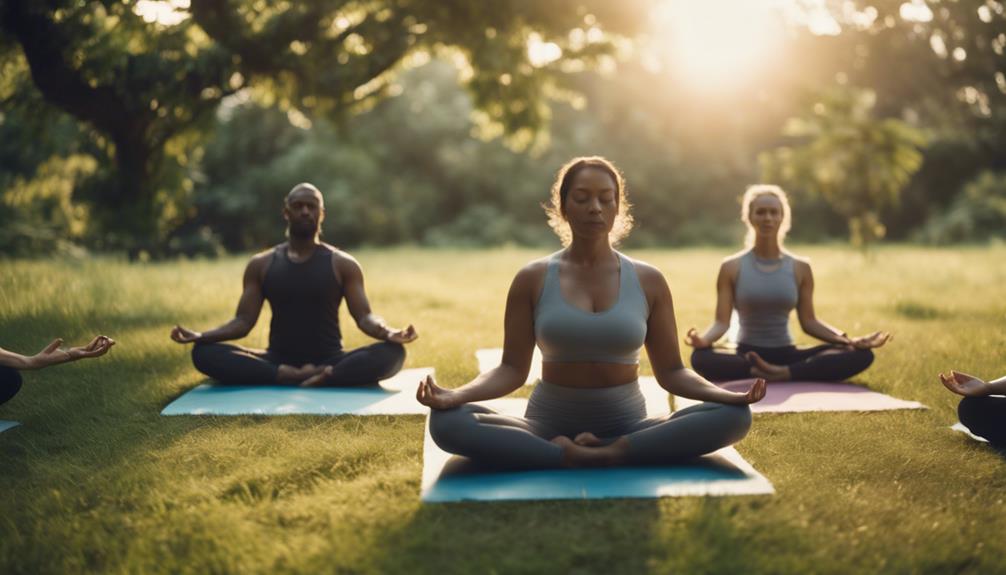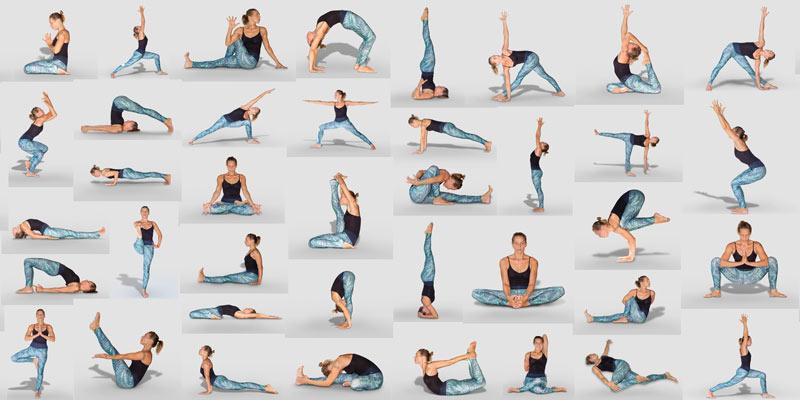
Choosing a yoga teacher training program is an important step for anyone who wants to teach with skill, confidence, and care. Los Angeles offers a broad range of training options, from traditional, lineage-based programs to contemporary courses that include functional movement, trauma-informed instruction, meditation, and business fundamentals. Explore teaching-focused training to develop the instructional skills needed for a successful yoga teaching career in Los Angeles.
The right program should do more than provide a certificate. It should help you develop a safe personal practice, understand how to work with different students, communicate clearly, and gain practical experience teaching. Whether you hope to teach full time, add yoga to an existing wellness career, or deepen your own practice, comparing programs carefully will help you make a better decision.
Why Train to Teach Yoga in Los Angeles?
Los Angeles is home to varied communities, wellness settings, and approaches to movement. That diversity can expose trainees to different class formats and student needs. Depending on the program and its placement opportunities, students may prepare to teach studio classes, private sessions, workplace programs, community offerings, or specialized practices such as chair yoga.
The city’s training environment also brings together traditional yoga philosophy and modern teaching considerations. Some programs may emphasize alignment and precise physical instruction, while others focus more heavily on flow-based sequencing, restorative practices, breathwork, somatic movement, or meditation. This variety makes it especially important to identify your goals before enrolling.
What a Strong Training Program Should Include
Review the curriculum closely rather than choosing a program based only on its schedule, location, or promotional language. A well-rounded course should explain what students will learn and how they will demonstrate that learning.
Important areas to look for include:
- Anatomy and safe movement: Foundational knowledge of the body, alignment, modifications, contraindications, and injury prevention.
- Teaching methodology: Skills for giving clear instructions, demonstrating poses, offering options, and managing the pace of a class.
- Sequencing: Practice creating coherent classes with appropriate preparation, transitions, intensity, and closing techniques.
- Yoga philosophy and ethics: Study that places physical practice in a broader context and supports responsible relationships with students.
- Practicum experience: Opportunities to teach, observe other trainees, receive feedback, and revise your approach.
- Mentorship and support: Access to instructors who can answer questions and provide guidance during and after the course.
Ask who leads the training, how much teaching experience they bring, how feedback is delivered, and how student progress is assessed. A transparent program should provide a detailed schedule, attendance expectations, required materials, tuition information, and any available recognition or registration details.
Consider Styles and Specializations
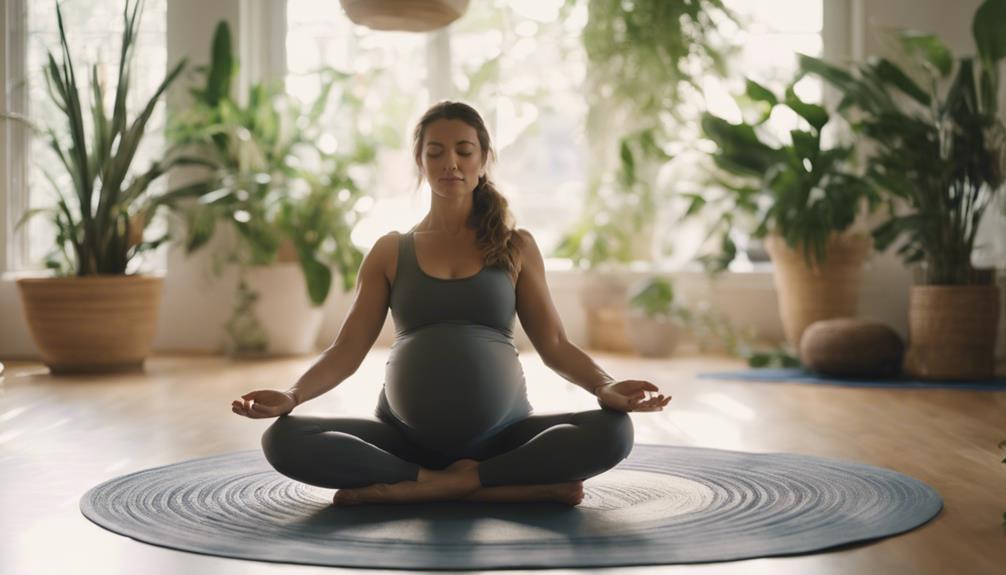
Los Angeles training programs may focus on vinyasa, alignment-based practice, restorative yoga, yin, prenatal or postnatal yoga, adaptive instruction, or other approaches. Some programs introduce several styles, while others concentrate deeply on one method.
Choose a foundational course that matches the kind of teacher you want to become. If you are interested in working with athletes or active adults, anatomy and functional movement may be priorities. If you hope to teach students with varied abilities or backgrounds, look for coursework on modifications, accessibility, and inclusive language. Those drawn to restorative or contemplative teaching may prefer a program with substantial attention to breathwork, meditation, and slower practices.
A specialty module can be useful, but it should complement—not replace—the fundamentals of teaching, safety, and student care. For those comparing regional programs, explore Chicago yoga certification options alongside our Los Angeles training resources.
Prepare Before Classes Begin
Preparation is not limited to becoming more flexible or mastering advanced postures. Establishing a consistent personal practice can help you identify areas where you need more study and make it easier to observe how instruction affects your body and attention.
It is also helpful to review basic anatomy, become familiar with foundational yoga terminology, and reflect on why you want to teach. Consider whether your main goal is personal development, a new professional direction, or an additional skill within an existing wellness practice.
Plan for the practical demands as well. Compare full-time immersions with part-time or weekend formats, and account for tuition, books, travel, time away from work, and independent study. A realistic schedule will give you enough energy to participate fully and complete practice-teaching assignments.
Questions to Ask Before Enrolling
Speaking with an admissions contact, attending an information session, or talking with graduates can reveal details that a website may not explain. Ask:
- How much of the program is devoted to supervised teaching practice?
- What kinds of feedback do trainees receive?
- How large is the class, and how much individual attention is available?
- What happens if you miss a required session?
- Does the program address inclusive, trauma-aware, or adaptive teaching?
- Is there guidance for finding teaching opportunities after graduation?
- Does the curriculum fit the populations and settings you hope to serve?
Also consider whether the teaching style and values of the lead instructors feel compatible with your own. A program can be technically strong yet still be a poor fit if its approach does not match your goals.
Building Experience After Certification
Completing training is a foundation, not the end of your development as a teacher. Keep notes from your practicum, organize feedback, and continue refining your class plans. A clear teaching resume, short class description, and references from instructors or practice partners can help when approaching studios or other potential venues.
Begin with classes that allow you to gain experience without overextending yourself. Community sessions, small groups, private instruction, or assisting another teacher can help you become more comfortable with timing, communication, and adapting to real students.
As your teaching develops, continue studying anatomy, sequencing, philosophy, and the needs of the communities you serve. The best Los Angeles yoga certification program is one that supports both your immediate training needs and your long-term commitment to thoughtful, safe, and inclusive teaching.