Choosing a yoga instructor training program in Columbus, Ohio, is an important decision for both your personal practice and your future as a teacher. Some students enroll to deepen their understanding of yoga, while others hope to teach in studios, workplaces, schools, community centers, or private settings. The right program should match your goals, schedule, preferred teaching approach, and willingness to continue studying after graduation. Columbus trainees can strengthen their teaching path by exploring an instructor focus that aligns with their goals.
Start With Your Reason for Enrolling
Before comparing schools and course descriptions, clarify what you want from training. You may be looking for a stronger personal practice, a foundation for teaching group classes, or a way to explore yoga philosophy and meditation in greater depth. Your goals can help determine whether you need a broad introductory certification, advanced study, or a program centered on a particular population or style.
It is also useful to consider the type of teaching you may eventually pursue. A future studio instructor may prioritize sequencing and class management, while someone interested in community wellness may look for training in accessibility, adaptive movement, or trauma-aware teaching principles.
Compare Program Structure and Standards
Yoga teacher trainings vary considerably in length and format. Some are intensive programs held over several weeks or weekends, while others meet part time over a number of months. A longer schedule may allow more time for practice, discussion, and feedback; an intensive format may suit students who can temporarily rearrange work or family responsibilities.
Review how the program describes its standards and credentials. Some trainings align their curriculum and teaching hours with a recognized registration framework, such as Yoga Alliance. This may be relevant if you plan to apply to studios or pursue insurance for teaching. Registration alone, however, does not determine the quality of a program. Consider it alongside the experience of the instructors, the program’s reputation, the depth of its curriculum, and the support offered to graduates.
Look for a Well-Rounded Curriculum
A strong training should go beyond memorizing poses or assembling fashionable sequences. Look for a balance of theory, practice, teaching skills, and supervised experience. Core subjects commonly include:
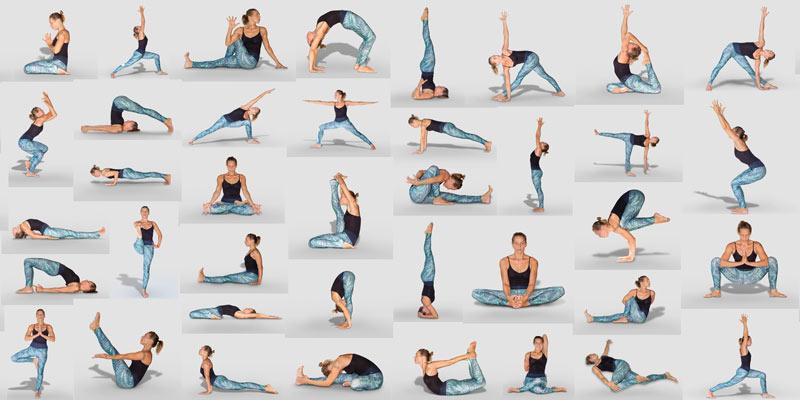
- Asana technique, alignment, modifications, and sequencing
- Basic anatomy and an understanding of movement limitations
- Breathwork, meditation, and other traditional practices
- Yoga philosophy, ethics, and the responsibilities of teaching
- Verbal cueing, demonstration, pacing, and classroom communication
- Injury awareness, consent, accessibility, and appropriate boundaries
- Peer teaching, instructor feedback, and a supervised practicum
Practical teaching opportunities are especially valuable. Reading about instruction is not the same as leading a class. Ask whether students teach more than once, receive specific feedback, and have opportunities to revise their lesson plans and delivery.
Choose a Style That Supports Your Teaching Goals
Columbus students may encounter programs influenced by dynamic vinyasa, restorative, yin, hatha, therapeutic, or other approaches. No single style is right for every student or every classroom. A physically demanding training may be appropriate if you want to teach energetic flow classes, while a program emphasizing slower practices may better support work with beginners, older adults, or students seeking stress relief. Columbus yoga instructor training can strengthen sequence-building practice with tools that organize thoughtful classes for varied students.
Choose a primary approach that genuinely interests you, but avoid programs that suggest one method is suitable for everyone. Effective teachers learn to modify practices, offer choices, and communicate with students who have different bodies, experiences, and needs.
Evaluate the Instructors and Learning Environment
The lead teachers strongly influence the culture and quality of a training. Learn about their teaching experience, areas of study, and approach to questions or disagreement. If possible, attend a class, information session, or public workshop before committing. Notice whether instruction feels respectful, clear, and inclusive.
Ask about class size, attendance expectations, required personal practice, reading, assignments, and the balance between lecture and practice. A supportive cohort can become an important source of accountability and peer feedback, but the program should also make room for individual development rather than expecting every student to teach in the same voice.
Plan for Time, Cost, and What Happens After Graduation
Compare the full investment rather than looking only at tuition. Include books, supplies, travel, missed work, and any additional assessment or registration expenses. Ask whether payment plans or financial assistance are available, and request a clear schedule before enrolling.
Also investigate post-training support. Mentorship, practice teaching, alumni communication, continuing education, and guidance about finding first teaching opportunities can make the transition from student to instructor more manageable. Local connections with studios, wellness settings, community programs, or private clients may develop gradually through consistent participation and professional relationships.
Continue Developing as a Teacher
Graduation is a foundation, not the end of yoga education. Maintain a regular personal practice, observe experienced teachers, seek constructive feedback, and continue studying subjects relevant to your students. Co-teaching, peer review, and additional workshops can help you improve sequencing, cueing, pacing, and accessibility.
The best Columbus yoga instructor training program is the one that fits your goals while preparing you to teach responsibly. By comparing curriculum, instructors, practical experience, schedule, cost, and ongoing support, you can make a thoughtful choice and build a sustainable path from dedicated student to confident yoga teacher.