Anxiety can show up as persistent worry, restlessness, muscle tension, racing thoughts, or difficulty settling down. A gentle yoga practice may offer a useful way to reconnect with the body, slow the breath, and create a few moments of steadiness. It is not a replacement for professional mental-health care, but it can be a supportive addition to a broader plan for managing anxiety.
You do not need to be flexible or experienced to begin. When anxiety is high, simple movements and supported resting poses may be more helpful than an intense workout. Move slowly, keep your attention on comfortable breathing, and stop if a pose increases pain, dizziness, panic, or distress.
How yoga may support anxiety management
Yoga combines movement, breathing, and focused attention. This combination can help interrupt a cycle of anxious thoughts and bring awareness to what is happening in the present moment. A regular, manageable practice may also encourage physical relaxation and make it easier to notice tension before it builds.
The goal is not to force yourself to feel calm immediately. Instead, treat the practice as an opportunity to create space, observe your reactions without judgment, and choose movements that feel safe and sustainable.
Gentle yoga poses for anxiety
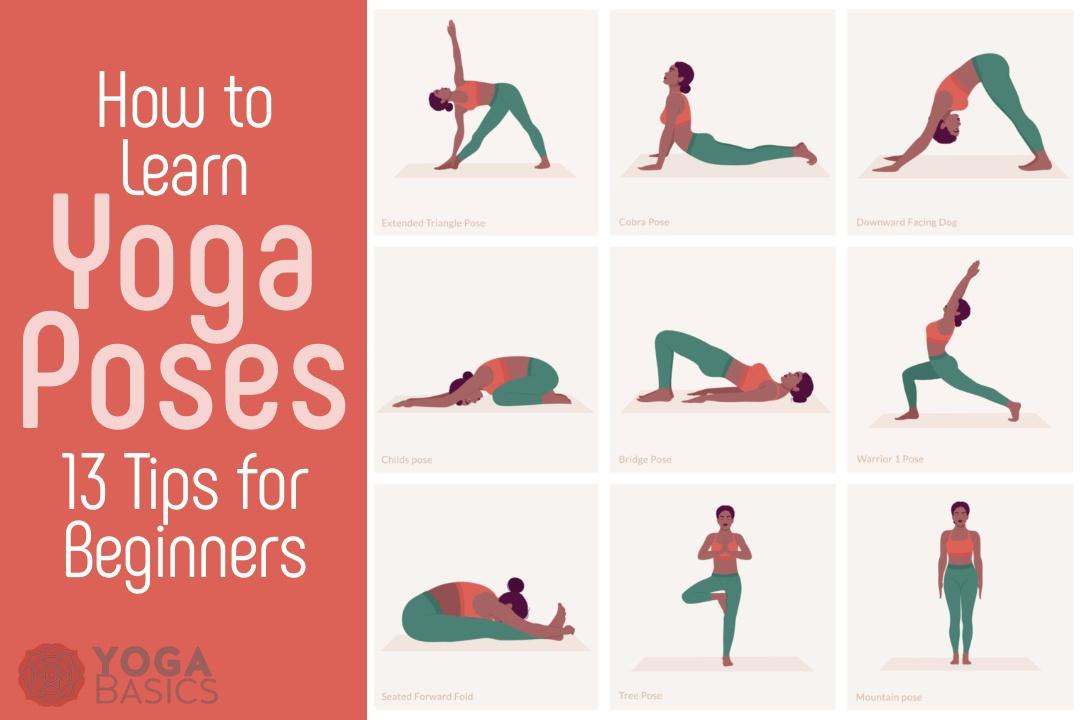
Child’s Pose (Balasana)
Kneel and bring your hips toward your heels, then fold forward with your forehead resting on the mat or a cushion. Keep your arms alongside your body or extend them in front of you. Widen your knees if that feels more comfortable.
This supported shape can provide a quiet pause and a gentle stretch through the back. If folding forward feels uncomfortable or makes breathing difficult, place a bolster or pillows under your chest, or choose another resting position.
Cat–Cow (Marjaryasana–Bitilasana)
Start on your hands and knees, with your hands beneath your shoulders and knees beneath your hips. As you inhale, gently lengthen your spine and lift your chest. As you exhale, round your back comfortably and allow your head to follow the movement. Continue slowly for several cycles.
Linking movement with breathing can give restless attention something simple to follow. Keep the range of motion small if your wrists, neck, or back are sensitive.
Legs Up the Wall (Viparita Karani)
Sit beside a wall and carefully lower onto your back as you bring your legs up the wall. Let your arms rest comfortably and support your head with a thin cushion if needed. Stay for a few minutes, breathing naturally.
This restorative position is a low-effort way to pause at the end of a practice. Come out slowly, especially if you feel light-headed. Skip it or modify it if raising your legs is uncomfortable or medically unsuitable for you.
Standing Forward Fold
Stand with your feet about hip-width apart and soften your knees. Hinge forward from your hips, allowing your upper body and arms to relax toward the floor or rest on blocks or a chair. Rise slowly by pressing through your feet and lengthening your spine.
The supported version can release some physical tension without requiring a deep stretch. Avoid forcing your head toward your knees, and use a chair if reaching the floor causes strain.
Easy Seated Pose with mindful breathing
Sit on a cushion, chair, or the floor with your spine comfortably upright. Let your shoulders soften and notice the natural rhythm of your breath. If it feels comfortable, make your exhalation slightly longer than your inhalation without holding or forcing the breath.
When your mind wanders, gently return to the physical sensations of breathing. If focusing on the breath increases anxiety, keep your eyes open and direct your attention to the feeling of your feet on the floor or the support of the chair.
A simple sequence to try
- Begin with one minute of comfortable breathing.
- Move through Cat–Cow slowly for five to eight rounds.
- Rest in Child’s Pose, using cushions for support, for several breaths.
- Choose either a supported Standing Forward Fold or Legs Up the Wall.
- Finish seated or lying down, noticing how your body feels without judging it.
Even a short practice can be worthwhile. Consistency matters more than duration, so choose a routine you can repeat without adding pressure. A quiet space, comfortable clothing, and reduced distractions may make it easier to focus.
Practice safely
Yoga should feel steady and manageable, not like a test of endurance. Use props, a wall, or a chair whenever they improve comfort. Avoid breath retention, rapid breathing exercises, or challenging inversions if they make you feel alarmed or unwell. If you have an injury, a medical condition, are pregnant, or are unsure whether a pose is appropriate, ask a qualified healthcare professional or experienced yoga teacher for guidance.
Seek professional support if anxiety is severe, persistent, interferes with daily life, or includes panic, hopelessness, or thoughts of self-harm. Yoga can complement treatment, but it should not replace advice or care from a qualified mental-health professional.