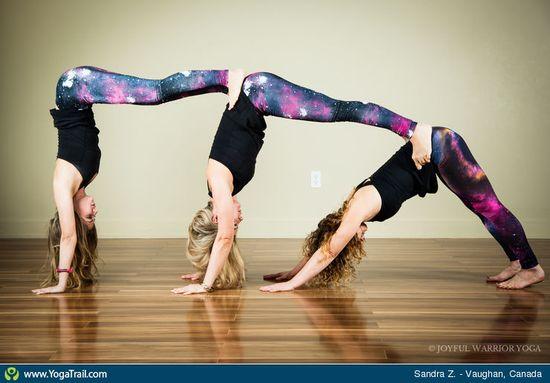
Flexible yoga poses are often associated with deep stretches, impressive splits, and advanced backbends. In practice, flexibility is only one part of the picture. A well-rounded pose also involves strength, balance, body awareness, controlled breathing, and appropriate alignment.
Whether you are new to yoga or refining an established practice, the goal is not to force your body into a shape. The goal is to explore movement gradually and comfortably while developing a healthier range of motion.
What Are Flexible Yoga Poses?
Flexible poses are yoga postures that use a significant range of motion in areas such as the hips, hamstrings, shoulders, spine, or ankles. Some are active poses that require strength to support the body, while others are slower stretches that encourage relaxation and mobility.
A pose does not need to look deep to be effective. Using a block, strap, cushion, or a smaller range of motion can make the practice more suitable for your body and still provide valuable benefits.
Potential Benefits of Practicing Flexibility-Focused Poses
- Greater mobility: Regular, controlled movement can help you explore a more comfortable range of motion.
- Improved strength: Standing poses, backbends, and balancing postures often strengthen the legs, hips, shoulders, and core.
- Better body awareness: Paying attention to alignment and sensation helps you recognise the difference between useful effort and excessive strain.
- Postural support: Combining mobility work with strength may help you move with greater stability and control.
- Relaxation: Slow movement and steady breathing can make a practice feel calming and mentally focused.
Useful Flexible Poses to Explore
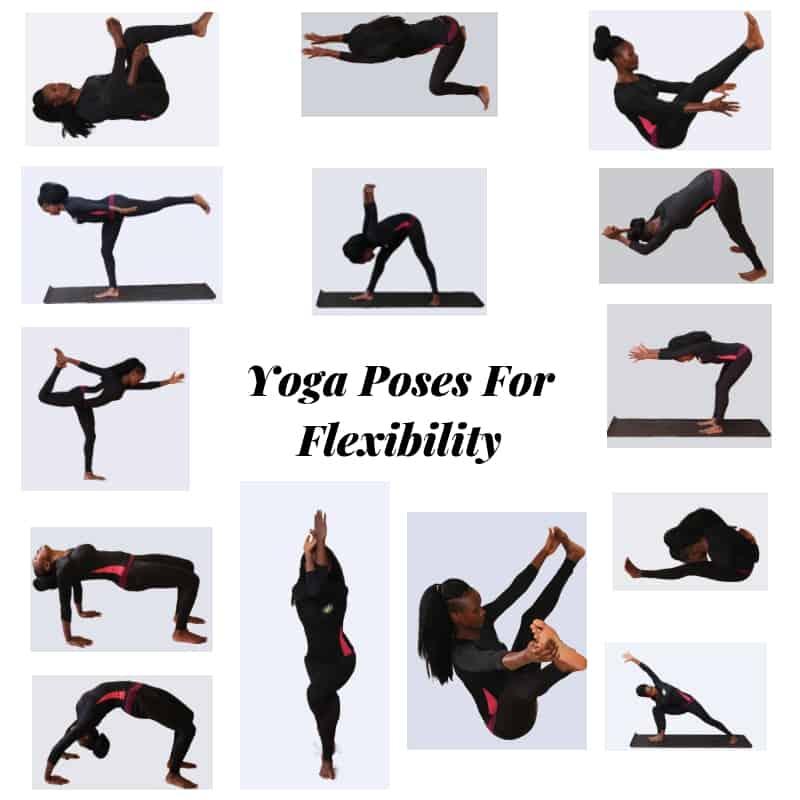
Standing Forward Fold (Uttanasana)
This pose focuses on the back of the legs and the spine. Keep the knees bent if the hamstrings feel tight, and allow the torso to lengthen rather than pulling yourself toward the floor. Blocks under the hands can reduce the need to round the back.
Warrior II (Virabhadrasana II)
Warrior II combines hip mobility with leg strength and balance. Keep the front knee tracking in the same general direction as the toes, maintain a comfortable stance, and avoid forcing the hips lower than you can control.
Bridge Pose (Setu Bandhasana)
Bridge Pose strengthens the back of the body while opening the front of the hips and chest. Press through the feet, keep the neck relaxed, and lift only as high as you can without compressing the lower back.
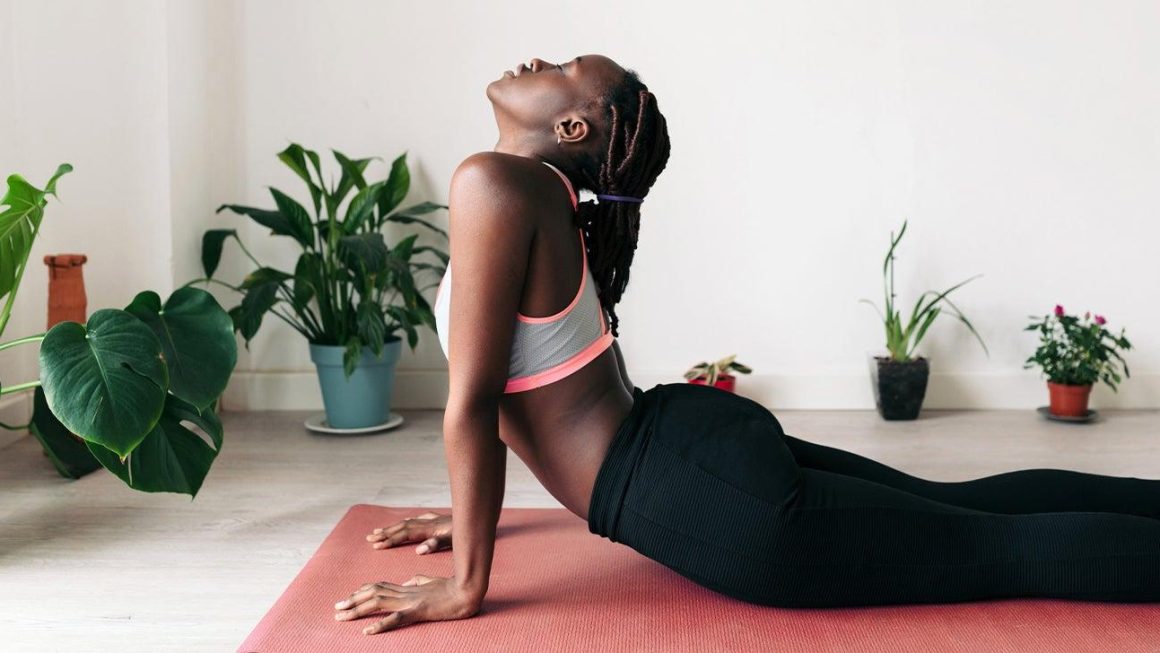
Cobra Pose (Bhujangasana)
Cobra gently mobilises the spine and stretches the front of the body. Use the hands for light support rather than pushing into a maximum backbend. A lower lift is often more comfortable and easier to control.
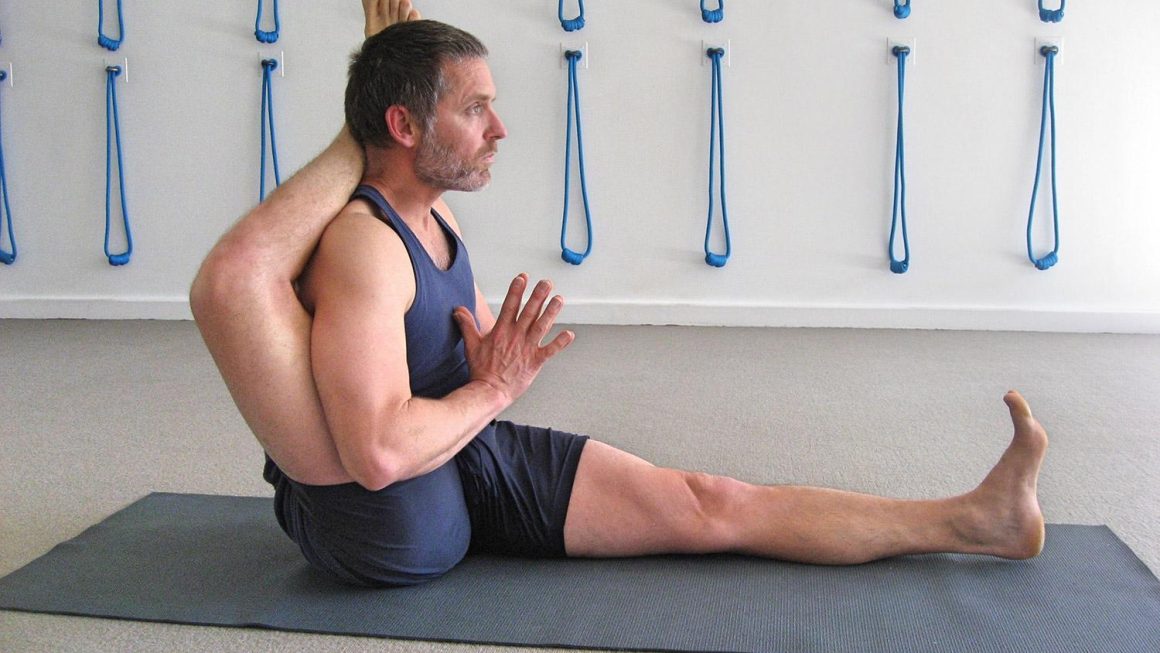
Figure-Four or Reclined Pigeon Variation
A reclined figure-four shape can provide a gentler alternative to traditional Pigeon Pose. It targets the outer hips while allowing the back to rest on the floor. Keep the stretch mild and avoid pressing the knee down.
How to Practise Safely
- Warm up first: Begin with easy movements such as shoulder rolls, cat-cow, gentle lunges, or supported squats.
- Use your breath: Breathe steadily and let the exhalation encourage relaxation. Do not hold your breath to push deeper.
- Choose support: Blocks, straps, bolsters, folded blankets, and a wall can improve comfort and stability.
- Distinguish stretch from pain: A mild pulling sensation may be acceptable, but stop if you feel sharp pain, numbness, tingling, or joint pressure.
- Progress gradually: Increase time, range, or difficulty a little at a time instead of forcing a dramatic change in one session.
- Practise both sides: Notice differences between the left and right sides without trying to make them identical immediately.
A Simple Sequence
After warming up, try a short sequence of Cat-Cow, a low lunge on each side, Warrior II, a supported forward fold, Bridge Pose, and a reclined figure-four stretch. Move slowly and pause between poses to notice how your body responds. Finish with a comfortable resting position and several unhurried breaths.
Flexible yoga practice is most effective when it is consistent, patient, and responsive. Avoid comparing your range of motion with someone else’s; anatomy, experience, strength, and daily condition all affect how a pose feels. If you have an injury, ongoing pain, or a medical concern, consider getting guidance from a qualified healthcare professional or experienced yoga teacher before attempting challenging stretches.