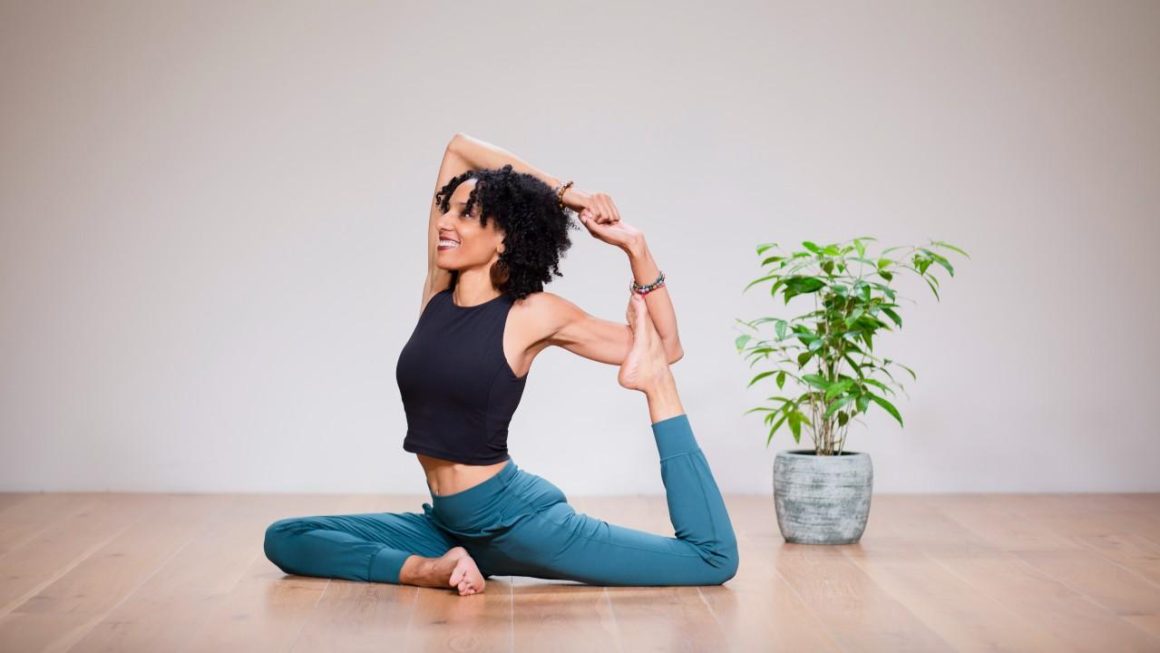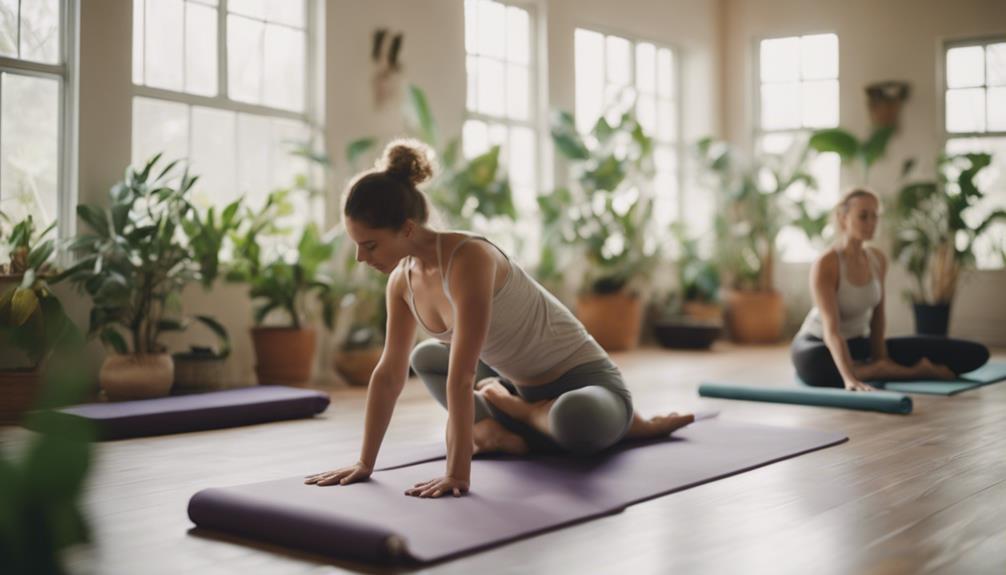
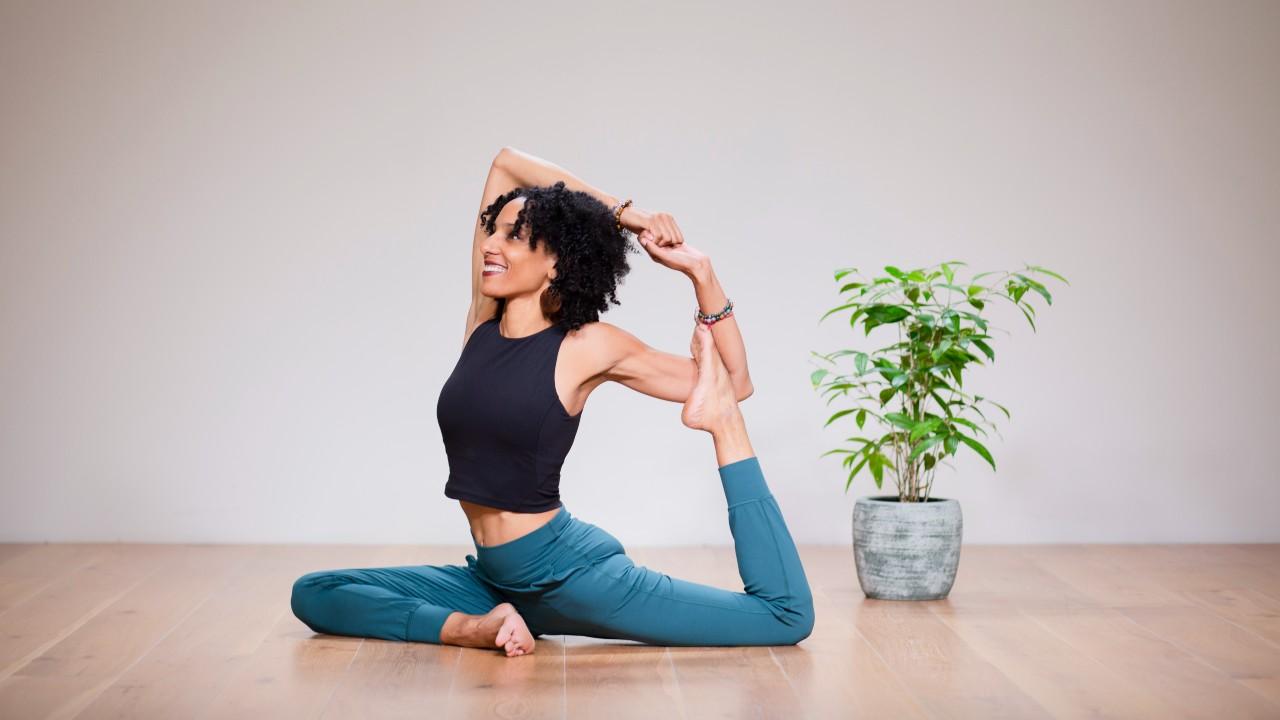
Hot yoga in Boston, MA offers a focused way to build movement, strength, and mental resilience in a warm studio setting. Because “hot yoga” can describe several different class formats, the experience may range from a vigorous heated vinyasa to a slower practice built around longer holds and careful alignment. Explore yoga styles to find practices that complement your hot yoga routine in Boston.
Whether you are a first-time student or looking for a new yoga studio in Boston, understanding the differences between classes will help you choose a practice that fits your goals, schedule, and comfort level.
What to expect from hot yoga
Hot yoga is practiced in a heated room, commonly within a range of approximately 90 to 105 degrees Fahrenheit. The warmth can make the room feel physically demanding, especially when combined with continuous movement. Classes may include familiar yoga postures, breath-focused work, balance exercises, strength-building sequences, or periods of rest.
Not every heated class follows the same structure. Before booking, check whether the session is:
- Heated vinyasa: A flowing class in which movement is coordinated with the breath.
- Power or strength-focused yoga: A more athletic format that may include challenging transitions and longer periods of effort.
- Alignment-focused practice: A class that gives more attention to posture, technique, and modifications.
- Restorative or slower heated yoga: A gentler option that may use supported poses and a less hurried pace.
- Set-sequence hot yoga: A class that repeats a consistent series of postures from one session to the next.
Reading the class description—or contacting the studio before attending—can prevent surprises and make it easier to select an appropriate starting point.
Why people choose heated yoga in Boston
The warmth may help some students feel more comfortable moving through stretches and settling into a regular practice, particularly during Boston’s colder seasons. A challenging heated class can also provide a strong workout while requiring concentration on breathing, balance, and pacing.
Many practitioners value the mental side of the experience as much as the physical challenge. Staying present in a warm, demanding environment can encourage patience and focus. Others enjoy the structure of attending a regular class, using it as a way to create space for movement and stress management.
Hot yoga is not suitable for everyone, and a heated room can feel intense. If you have a health concern, are recovering from an injury, or are unsure whether heat-based exercise is appropriate for you, seek guidance from a qualified healthcare professional before participating.
Where to look for hot yoga classes in Boston
Boston-area options can be found in and around neighborhoods such as Back Bay, Brighton, and Brookline. Back Bay may be convenient for people who work or live near the central city, while Brighton and Brookline offer additional community-oriented studio choices. The most convenient location is often the one that makes regular attendance realistic. Readers comparing hot yoga in Boston may also explore local yoga sessions and wellness options in Corona.
When comparing yoga studios in Boston, look beyond the neighborhood. Review the studio’s schedule, class length, approach to heat, equipment policy, and experience level. A useful first visit should leave you with a clear understanding of how the teacher manages pacing and offers alternatives for different bodies and skill levels.
Questions to ask before booking
- Is the class appropriate for beginners?
- How hot is the room, and how long is the session?
- Does the instructor offer modifications?
- Are mats, towels, showers, or other equipment available?
- Is the class a fixed sequence, a flowing practice, or a combination of styles?
- Does the studio offer an introductory or trial option?
Preparing for your first hot yoga class
Preparation can make a heated class more manageable. Drink water before and after the session, and avoid arriving dehydrated. Wear lightweight clothing that allows unrestricted movement and bring a towel, water bottle, and non-slip mat if the studio does not provide them.
Arrive early enough to check in, set up, and tell the instructor about relevant injuries or limitations. Choose a place in the room where you feel comfortable, and remember that you do not have to match the pace of more experienced students. Resting in a comfortable position is a normal part of learning how your body responds to heat.
During class, distinguish between ordinary effort and warning signs. Sweating, fatigue, and muscular challenge may be expected, but dizziness, nausea, confusion, unusual weakness, or severe discomfort are reasons to stop, cool down, and seek assistance from the instructor. Never treat pushing through those symptoms as a measure of success.
Building a sustainable practice
Trying several formats can help you identify the best yoga classes in Boston for your needs. A dynamic heated flow may suit someone seeking an energetic workout, while a slower class may be a better fit for recovery, learning fundamentals, or managing a busy schedule.
Consider visiting studios in different Boston neighborhoods and noticing the teaching style, room atmosphere, class size, and sense of community. Workshops and beginner sessions can also provide additional instruction. The right studio is not necessarily the most intense one; it is the place where you can practice safely, consistently, and with a format that supports your personal goals.
With thoughtful preparation and realistic expectations, hot yoga in Boston, MA can become a rewarding addition to an active routine. Start gradually, listen to your body, and choose classes that make continued practice feel both challenging and achievable.