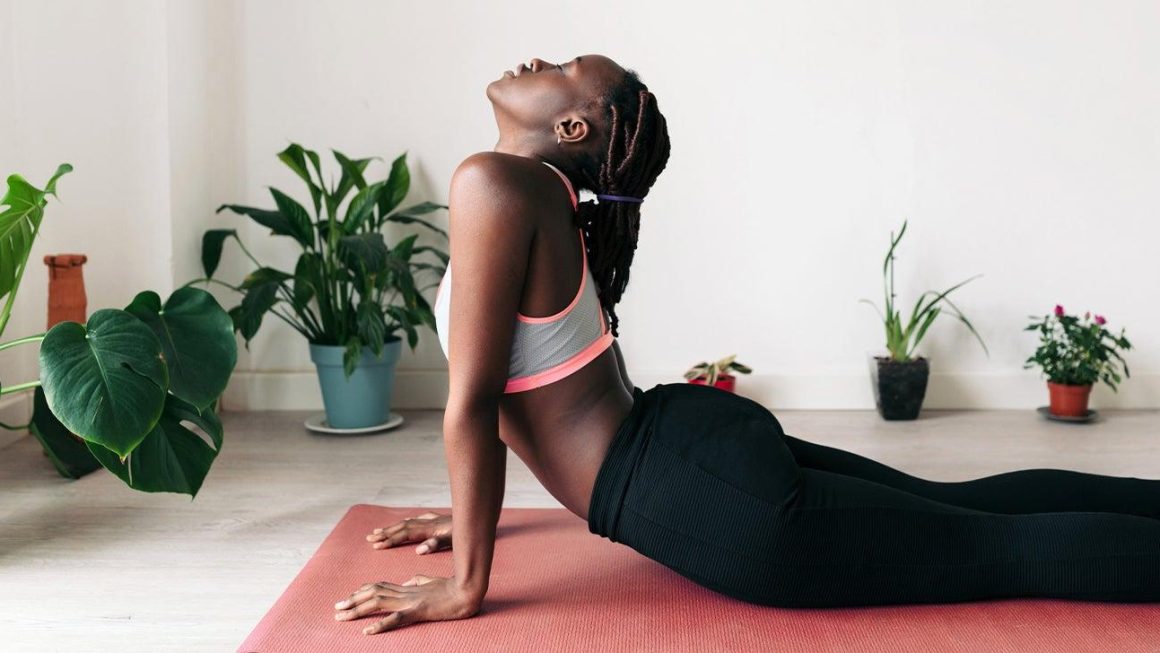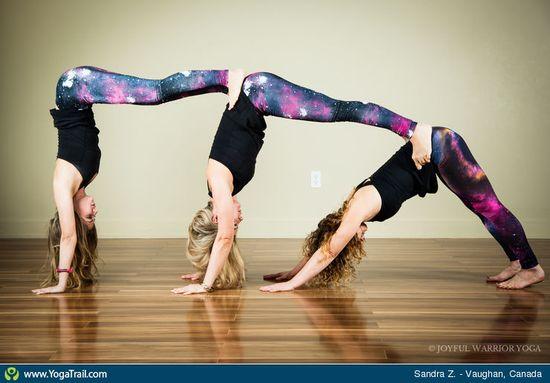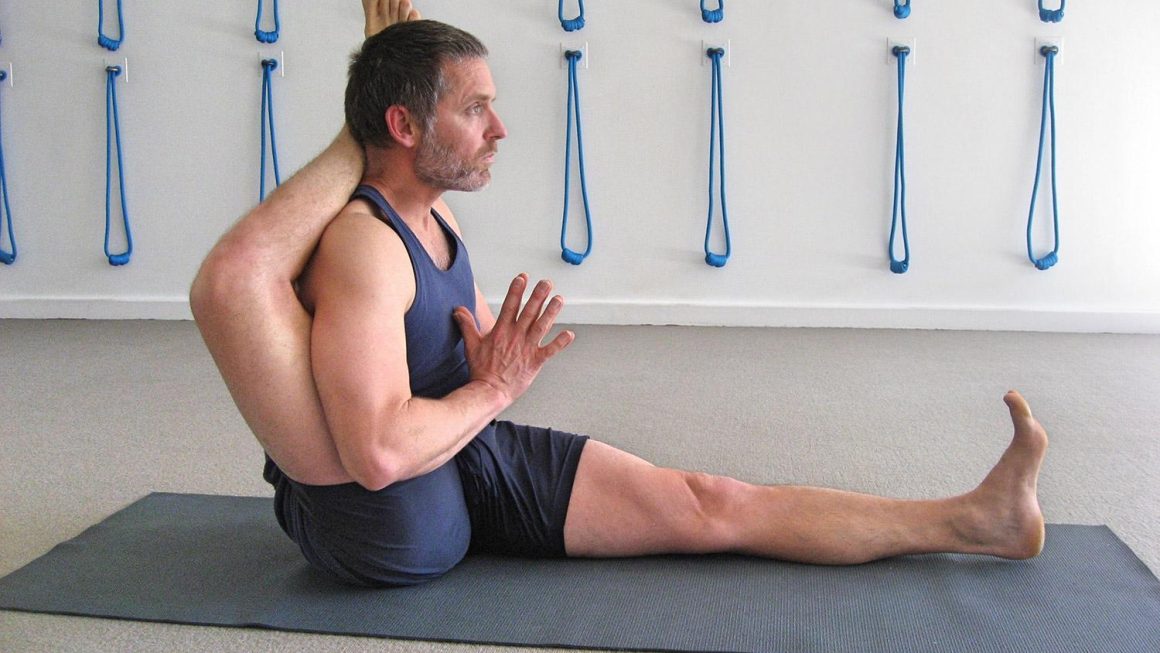
Yoga Wheel Pose, traditionally called Urdhva Dhanurasana or Upward Bow Pose, is a demanding backbend that combines leg strength, shoulder mobility, arm strength, balance, and spinal extension. The body forms an arch as the hands and feet press into the floor. Although the pose can feel energising and expansive, it should be approached gradually rather than forced.
This guide refers to the traditional Wheel Pose performed on a mat. A yoga wheel prop can be used for preparation, but it is not required for the posture itself.
What Wheel Pose Works
Wheel Pose lengthens the front of the body while requiring active support from the back, shoulders, arms, legs, and core. Regular, carefully paced practice may help you develop:
- Strength in the legs, glutes, back, shoulders, arms, and core
- Greater mobility in the shoulders, chest, hip flexors, and spine
- Improved awareness of alignment, balance, and controlled breathing
- Confidence with weight-bearing and backbending movements
A deep backbend is not automatically better. The useful version of the pose is the one you can enter, hold, and leave with steady breathing and no sharp or pinching sensation.
Prepare Before You Lift
Warm up with movements that gradually prepare the wrists, shoulders, spine, hips, and legs. You might include Cat-Cow, Downward-Facing Dog, low lunges, Cobra Pose, Bridge Pose, and gentle shoulder-opening work. Hold each preparation only as long as you can maintain relaxed breathing and controlled movement.
Practise on a firm, nonslip surface with enough room around you. If you are new to the pose, work with an experienced yoga teacher. Avoid continuing if you feel pain in the wrists, shoulders, neck, or lower back, and seek professional guidance if you have an existing injury or medical concern.
How to Practise Yoga Wheel Pose
- Lie on your back. Bend your knees and place your feet on the mat about hip-width apart. Bring your heels comfortably near your sitting bones without forcing the distance.
- Set your hands. Bend your elbows and place your palms beside your head, fingers pointing toward your shoulders. Keep the hands slightly wider than the shoulders only if that is necessary for comfort and control.
- Ground the feet and hands. Spread your fingers, press through the four corners of each foot, and keep the knees tracking in line with the feet rather than collapsing inward.
- Lift in stages. On an inhale, press into your feet and hands to raise your hips and chest. You may first come onto the crown of the head briefly while checking your position; do not rest heavily on the head or neck.
- Straighten gradually. If your shoulders and wrists allow it, continue pressing the floor away as the arms lengthen. Keep the thighs active and the lower ribs from flaring aggressively.
- Breathe and exit carefully. Stay for a few calm breaths, or less if your form deteriorates. Lower with control by bending the elbows and knees, bringing the upper back down before resting on the mat.
Alignment Cues That Matter
- Keep the knees from drifting wide or falling toward each other.
- Press through the hands rather than allowing the shoulders to sink toward the ears.
- Use the legs actively so the backbend is not concentrated in the lower spine.
- Keep the neck long and avoid turning the head while bearing weight.
- Let the breath remain smooth. Breath-holding often signals that the pose is too intense.
Accessible Variations and Progressions
Build strength with Bridge Pose
Bridge Pose develops leg and back strength with less demand on the wrists and shoulders. Practise several controlled lifts rather than pushing immediately toward the full shape.
Work on shoulder mobility separately
If the elbows splay or the hands feel unstable, spend more time on gentle shoulder and chest preparation. Limited shoulder mobility can cause unnecessary pressure in the wrists or lower back.
Use a supported backbend
A bolster or folded blanket can provide a gentler supported chest-opening position. This allows you to explore extension without the full weight-bearing requirements of Wheel Pose. Props should feel stable and should not force the spine into a deeper arch.
When to Stop
Come out of the pose if you feel sharp pain, numbness, pressure in the neck, or discomfort that worsens with each breath. Rest on your back, allow the breath to settle, and use a gentle neutral position before continuing. Progress comes from consistent, comfortable practice—not from forcing the body into a larger arch.