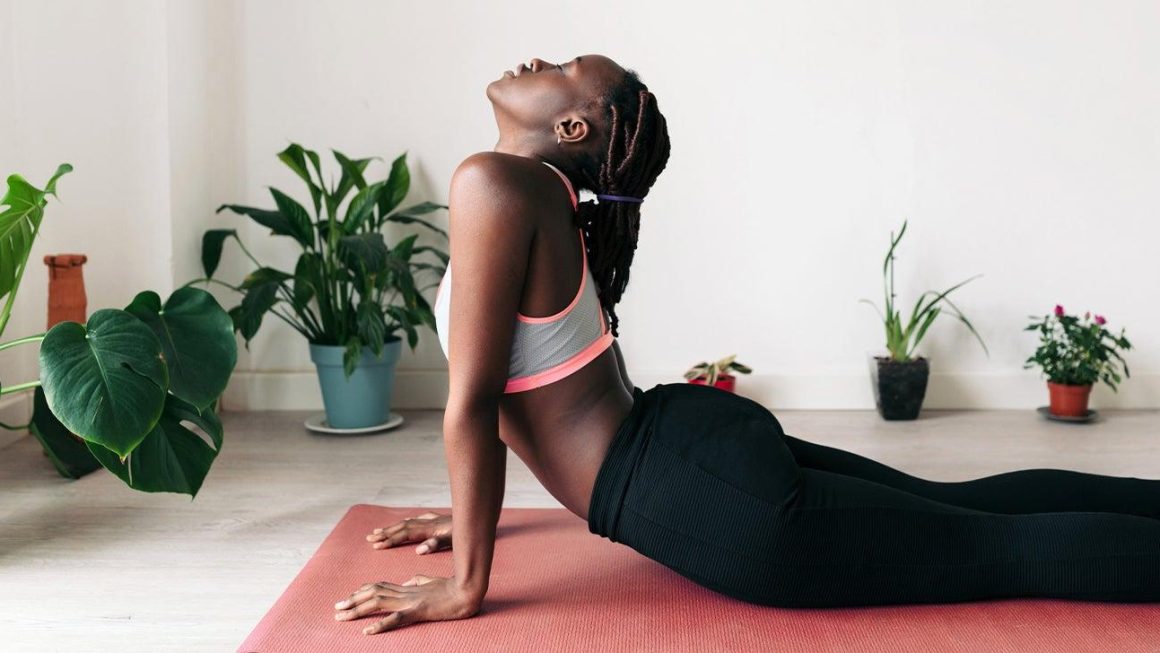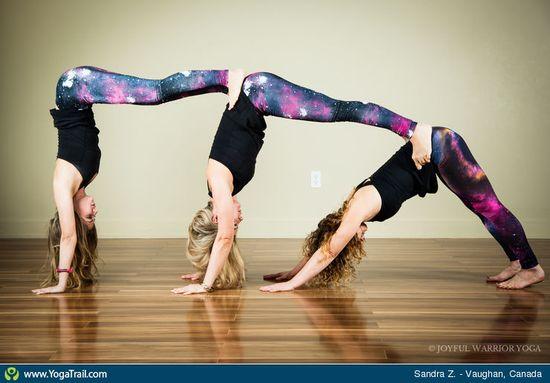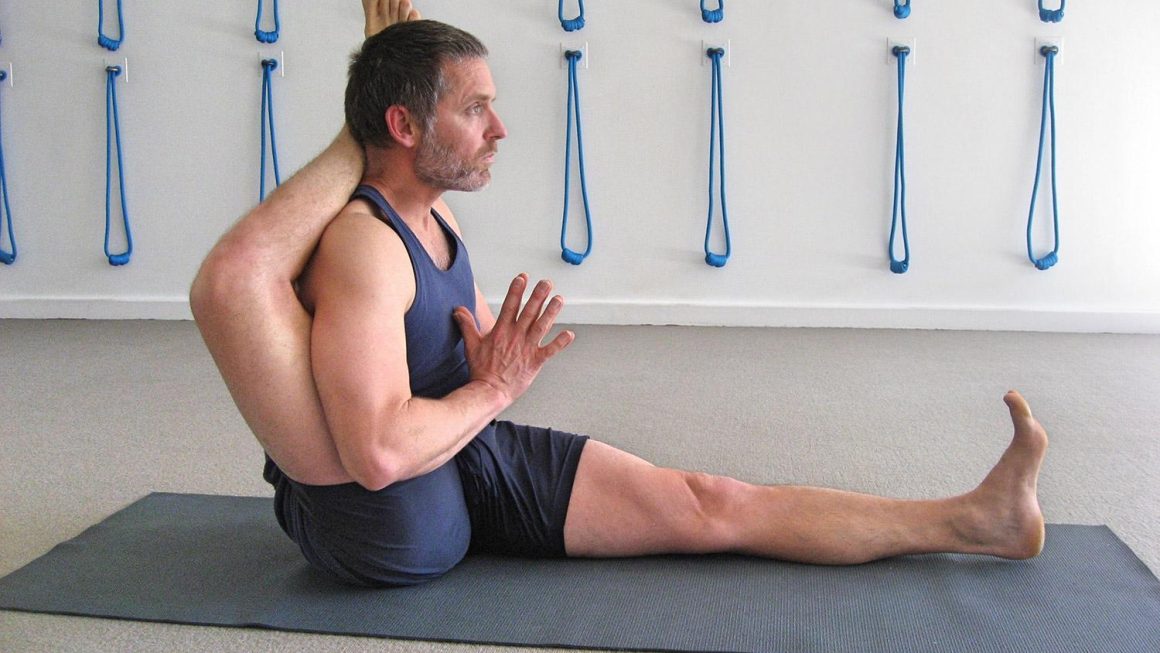
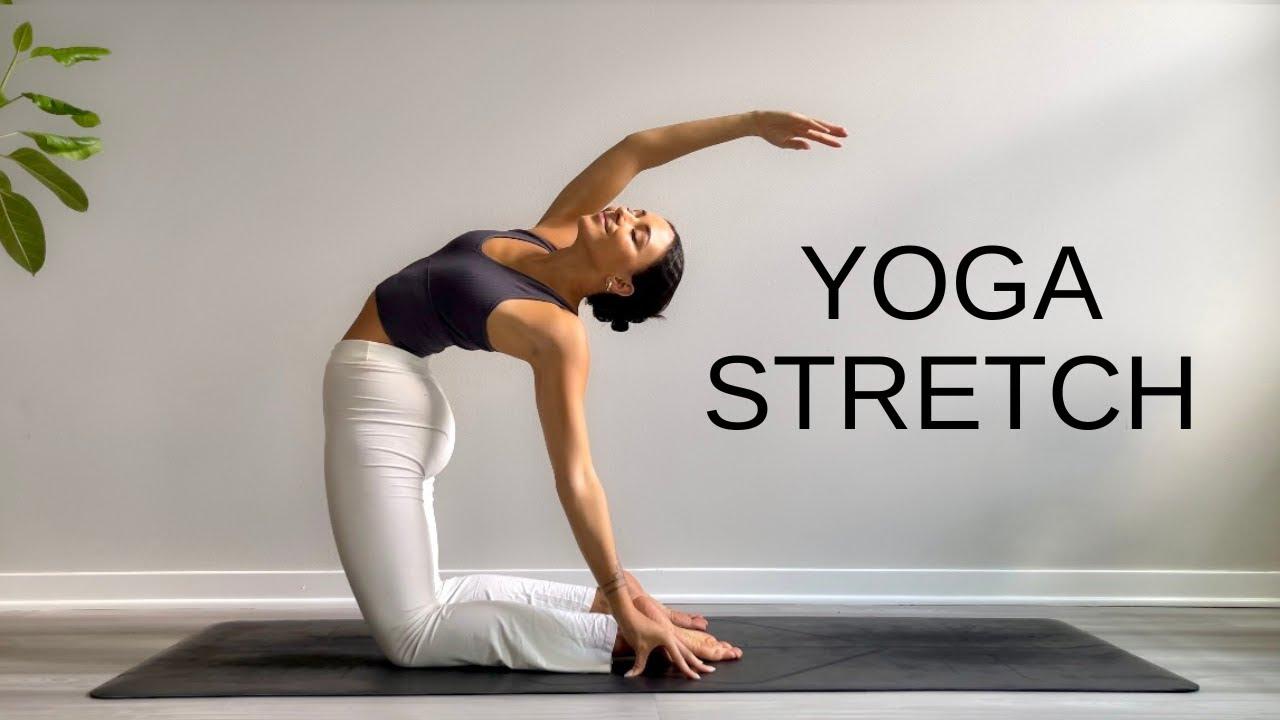
Yoga can be a gentle way to move your body, release everyday tension, and develop greater awareness of how you feel. If you are new to yoga, you do not need to be especially flexible or strong to begin. A few basic poses, practiced slowly and with steady breathing, can provide a practical introduction.
The aim is not to force your body into a shape. Instead, focus on controlled movement, comfortable sensations, and gradual progress. Use a yoga mat or another non-slip surface, wear clothing that allows you to move freely, and keep a folded blanket or cushion nearby for support.
Benefits of a Beginner Yoga Routine
Regular stretching and mindful movement may help you move more comfortably and become more aware of posture and muscle tension. A short practice can also create a useful pause in a busy day. Depending on the poses you choose, a beginner routine can include gentle mobility, balance, light strengthening, and relaxation.
Consistency matters more than intensity. Ten to fifteen minutes practiced several times a week is a reasonable starting point, especially if you are not used to stretching.
Five Easy Yoga Stretches for Beginners
1. Cat-Cow
Cat-Cow gently moves the spine and makes a useful warm-up for the back and shoulders.
- Start on your hands and knees, with your hands beneath your shoulders and knees beneath your hips.
- As you inhale, let your belly soften, lift your chest, and gently raise your tailbone.
- As you exhale, round your back and allow your chin to move slightly toward your chest.
- Continue slowly for five to eight comfortable cycles, coordinating each movement with your breath.
2. Child’s Pose
Child’s Pose is a restful position that can gently lengthen the back and provide a natural break during practice.
- From hands and knees, bring your hips back toward your heels.
- Extend your arms forward, or rest them alongside your body if that feels easier.
- Lower your forehead toward the mat or place it on a cushion.
- Stay for five to ten slow breaths. Widen your knees or add support beneath your hips if needed.
3. Downward-Facing Dog
This familiar pose combines gentle stretching with weight-bearing through the arms and legs. It is fine to keep your knees bent.
- Begin on hands and knees, then tuck your toes under.
- Lift your hips up and back, creating an inverted V shape.
- Keep your spine long rather than trying to press your heels to the floor.
- Hold for three to five breaths, or gently pedal your feet before returning to the mat.
4. Standing Forward Fold
A forward fold can stretch the backs of the legs and release tension through the upper body. Beginners should avoid pulling themselves down.
- Stand with your feet about hip-width apart and your knees slightly soft.
- Hinge forward from your hips, allowing your torso to move toward your thighs.
- Rest your hands on your thighs, shins, or the floor. Bend your knees more if your back rounds sharply.
- Take three to five easy breaths, then rise slowly by pressing through your feet.
5. Warrior I
Warrior I introduces a standing pose that works the legs while opening the front of the hips and shoulders.
- Step one foot back and turn the toes slightly outward for balance.
- Bend the front knee while keeping it generally aligned over the ankle.
- Keep the back leg active and adjust the length of your stance so you feel stable.
- Raise your arms only as far as comfortable. Breathe for three to five counts, then repeat on the other side.
A Short Beginner Sequence
Try this sequence in the order below. Move more slowly than the suggested timing if you need extra rest.
- Cat-Cow: five to eight cycles
- Child’s Pose: five breaths
- Downward-Facing Dog: three to five breaths
- Standing Forward Fold: three to five breaths
- Warrior I: three to five breaths on each side
- Child’s Pose or comfortable seated breathing: several breaths to finish
Tips for Practicing Safely
- Stretch to a mild, manageable sensation—not sharp pain, pinching, or numbness.
- Keep breathing steadily instead of holding your breath to reach a deeper position.
- Use blocks, a cushion, or a folded blanket to reduce strain and make poses more accessible.
- Make smaller movements on days when you feel tired, stiff, or sore.
- Do not compare your flexibility with anyone else’s. Range of motion develops at different rates.
If you have an injury, persistent pain, balance difficulties, or a health condition that affects movement, ask a qualified healthcare professional whether these poses are suitable for you. Stop the practice if a movement causes pain or unusual symptoms. With patience and regular practice, these simple stretches can become a comfortable foundation for exploring yoga.