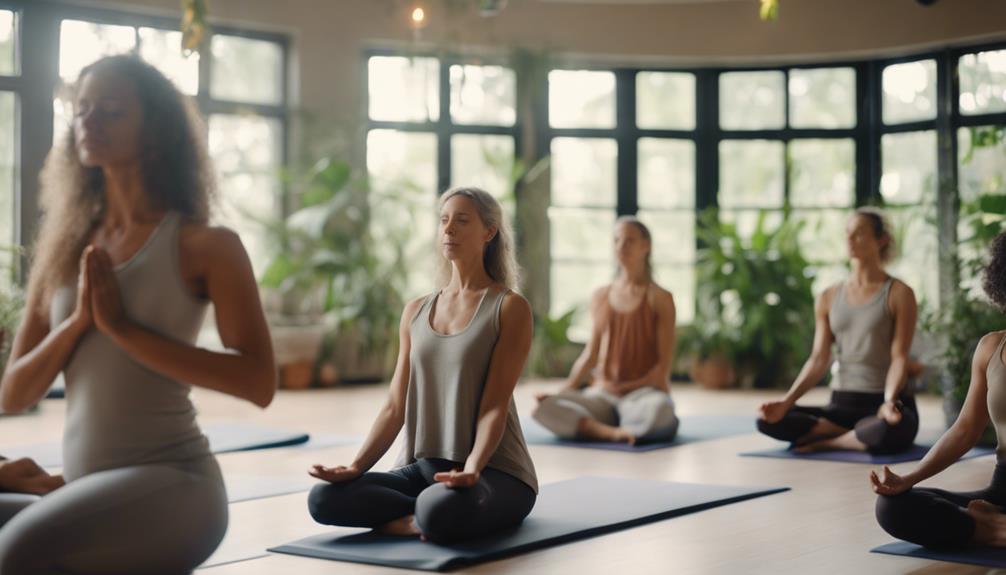
Yoga is not one single type of workout. It is a broad collection of practices that can be gentle or demanding, quiet or energetic, highly structured or more exploratory. The best style for you depends on what you want from your practice, how your body feels, and the kind of experience you enjoy.
Some styles emphasise alignment and steady movement, while others focus on breath, meditation, deep relaxation, or sustained stretches. Exploring several approaches can help you discover a practice that feels both useful and enjoyable.
Hatha yoga: a steady starting point
Hatha yoga generally places strong emphasis on physical postures, breathing techniques, and mindful movement. Classes are often slower-paced than flowing styles, giving students time to understand each pose and work with alignment.
This makes Hatha a practical option for beginners and for anyone who prefers a measured practice. It can support the development of strength, balance, flexibility, and body awareness without requiring a fast sequence from one pose to the next.
Vinyasa yoga: movement linked with breath
Vinyasa yoga connects poses in a continuous flow, with the breath helping to guide the movement. Sequences can vary considerably between classes, so the experience may feel creative and dynamic.
Vinyasa is well suited to people who enjoy variety and a more active practice. The steady transitions can build warmth and challenge coordination, strength, stamina, and concentration. Because classes differ in pace and intensity, it is useful to choose a level that matches your experience.
Ashtanga yoga: a structured and demanding practice
Ashtanga yoga follows a set sequence of postures performed in a particular order. The practice is physically challenging and places importance on consistency, focus, breath, and personal discipline.
People who enjoy routine and measurable progression may appreciate Ashtanga. It can be demanding for the body, however, so beginners may benefit from learning the foundational movements carefully rather than trying to force advanced poses.
Yin yoga: stillness and longer-held poses
Yin yoga is a slow-paced practice in which postures are held for longer periods. Rather than moving quickly between poses, practitioners remain relatively still and observe the sensations that arise.
This approach can complement more vigorous activities by creating space for quiet attention and gentle stretching. Yin is often chosen by people seeking a calmer practice, though staying in a pose for several minutes can still feel challenging. Movements should remain controlled and should not be pushed into sharp or painful sensations.
Restorative yoga: supported relaxation
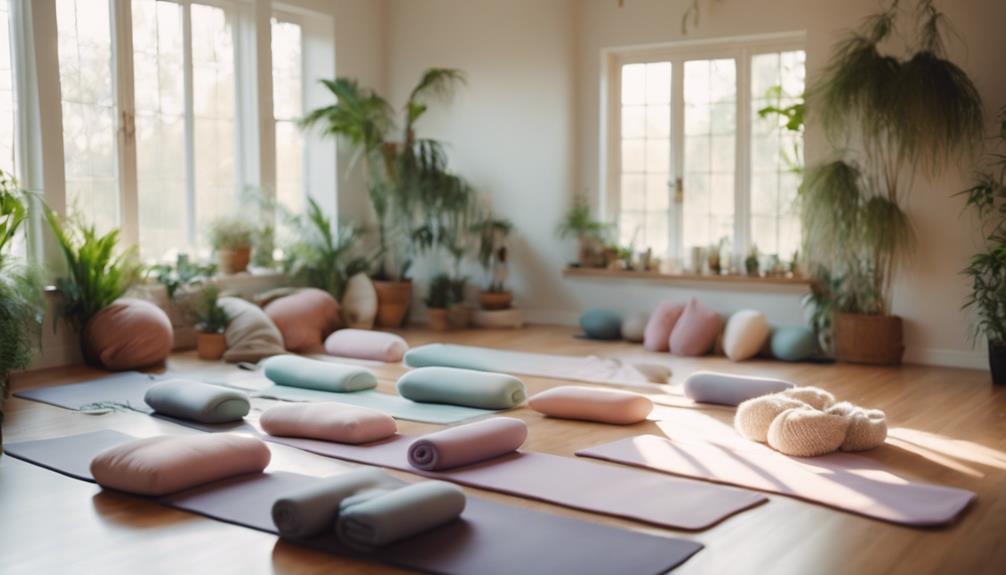
Restorative yoga uses props such as blankets, blocks, and bolsters to support the body in comfortable positions. The goal is to reduce effort and allow the body and mind to settle.
It may appeal to anyone looking for relaxation, recovery, or a quieter alternative to more active classes. Restorative sessions can also provide an opportunity to practise breathing and mindful awareness without concentrating on physical intensity.
Kundalini yoga: breath, movement, and awareness
Kundalini yoga combines physical postures with breathwork, meditation, and sometimes more dynamic movements. Its focus is on cultivating awareness and bringing attention to the relationship between the body, breath, and mind.
Because classes may include several different elements, Kundalini can feel distinct from posture-focused styles. It may suit practitioners who want their yoga experience to include a stronger meditative or reflective dimension.
Hot yoga and Bikram-style practice
Hot yoga is practised in a heated room, making the session feel more intense and physically demanding. Bikram yoga is associated with a specific sequence of 26 postures performed in a room heated to approximately 105 degrees Fahrenheit.
Heat can make a class feel strenuous, and sweating does not make a pose safer or remove the need for careful technique. Anyone considering a heated practice should pay close attention to how they feel, take appropriate breaks, and choose an instructor and class level that feel suitable.
How to choose a yoga style
There is no requirement to commit to one style permanently. Consider these questions when deciding where to begin:
- Do you want a gentle, active, structured, or highly relaxing practice?
- Are you mainly interested in strength, flexibility, balance, stress relief, or meditation?
- Would you prefer a predictable sequence or a class that changes from week to week?
- Does your current energy level suit a vigorous practice, or would a slower class be more appropriate?
Trying introductory classes in Hatha, Vinyasa, Yin, Restorative, or another style can provide a clearer sense of what works for you. The most suitable practice is not necessarily the most difficult one; it is the one you can approach consistently, safely, and with genuine interest.