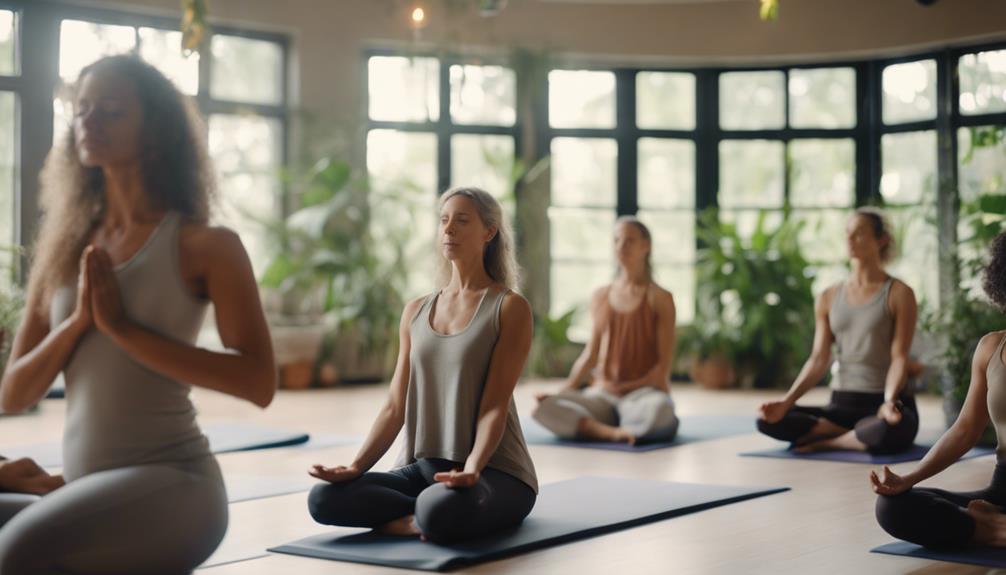

Yoga offers a practical way to explore the relationship between physical sensations, breathing, thoughts, and emotions. Rather than treating the body and mind as separate, yoga brings them together through movement, focused attention, breathing exercises, and meditation.
This mind–body approach can support general well-being by helping people notice how stress appears in the body and how physical activity can influence mood. Yoga is not a replacement for medical or mental health care, but it can be a valuable part of a balanced self-care routine.
What the mind–body connection means
The mind–body connection describes the continuous interaction between mental and physical states. Thoughts and emotions can affect breathing, muscle tension, energy, sleep, and digestion. For example, worry may lead to shallow breathing, tight shoulders, or a tense stomach. In the other direction, discomfort, fatigue, or limited movement can influence concentration and mood.
Yoga encourages awareness of these interactions. As you move through a posture, you may notice areas of tightness, changes in your breathing, or thoughts that arise when an exercise feels challenging. The goal is not to judge these experiences or force the body into a particular shape. It is to observe them and respond with patience.
How yoga brings awareness to the body
Many yoga practices coordinate movement with breath. This coordination gives the mind a clear point of focus and can make exercise feel more deliberate rather than automatic. Attention may rest on the rhythm of the breath, the placement of the feet and hands, or the sensations created by a stretch.
Over time, this type of practice can help people become more familiar with their own physical signals. They may learn to distinguish between productive effort and pain, recognize when they are holding unnecessary tension, and adjust a posture accordingly. This awareness can also encourage more thoughtful responses to stress outside the yoga session.
Breathing and relaxation
Conscious breathing is a central part of many yoga traditions. Slow, intentional breaths can provide a simple way to pause and redirect attention. Breathing practices may be used while sitting quietly, during movement, or at the end of a session when the body is settling.
When the mind is caught in repetitive thoughts, returning attention to the breath can create a moment of calm. It does not remove every source of stress, but it may make it easier to notice tension without immediately reacting to it.
Potential mental and emotional benefits
Yoga combines physical activity with mindfulness, which may support several aspects of mental and emotional well-being:
- Stress management: Gentle movement, focused breathing, and relaxation can help create a break from daily demands.
- Improved self-awareness: Paying attention to thoughts, emotions, and bodily sensations can make personal patterns easier to recognize.
- More emotional balance: Practicing a pause between an experience and a reaction may support steadier responses to challenging situations.
- A greater sense of confidence: Meeting a physical challenge at an appropriate pace can encourage patience and trust in one’s ability to learn.
- Support for mood: Yoga includes physical movement and reflective practices, both of which may contribute to an overall sense of well-being.
These effects are not identical for everyone. A person’s experience may depend on the style of yoga, the intensity of practice, personal health, and the setting in which the practice takes place.
Releasing physical tension with mindful movement
Stress is often felt physically as clenched muscles, restricted movement, or restless energy. Yoga can address these sensations through controlled stretching, strengthening, balance work, and rest. Moving slowly makes it easier to notice where tension is held and to avoid pushing beyond a comfortable limit.
Some people also find that quiet reflection during yoga brings difficult emotions into awareness. This can be useful, but it is important to approach the experience gently. Yoga should not be treated as a requirement to uncover or resolve every emotional difficulty. If a practice causes distress, stopping and seeking appropriate support is a sensible choice.
Building a sustainable mind–body practice
A consistent practice does not need to be long or demanding. Beginners can start with a few minutes of comfortable movement and breathing, gradually increasing the duration if it feels appropriate. Helpful principles include:
- Choose movements that suit your current ability and physical condition.
- Keep breathing steady rather than forcing a stretch or posture.
- Use modifications, supports, or rest whenever needed.
- Notice how you feel before and after practice instead of measuring success by appearance.
- Seek guidance from a qualified instructor if you are unfamiliar with the exercises or have health concerns.
At its best, yoga is less about performing a perfect pose and more about developing a respectful relationship with the body and mind. Through movement, breath, and attention, it offers a repeatable way to slow down, notice what is happening, and respond with greater care.