A short yoga practice can be easier to maintain than a full class, especially when you are new to the mat or working with a busy schedule. This gentle 10-minute routine combines breathing, mobility, light strengthening, and relaxation. Use it in the morning, during a break, or in the evening when you want to move without exhausting yourself. After your 10-minute session, continue with this beginner-friendly yoga routine to build confidence and establish a consistent practice.
Move slowly and comfortably throughout the sequence. Yoga should not cause sharp pain. If you have an injury, a health condition, or concerns about particular movements, seek appropriate professional guidance before practising.
Your 10-minute yoga sequence
1. Arrive and breathe — 1 minute
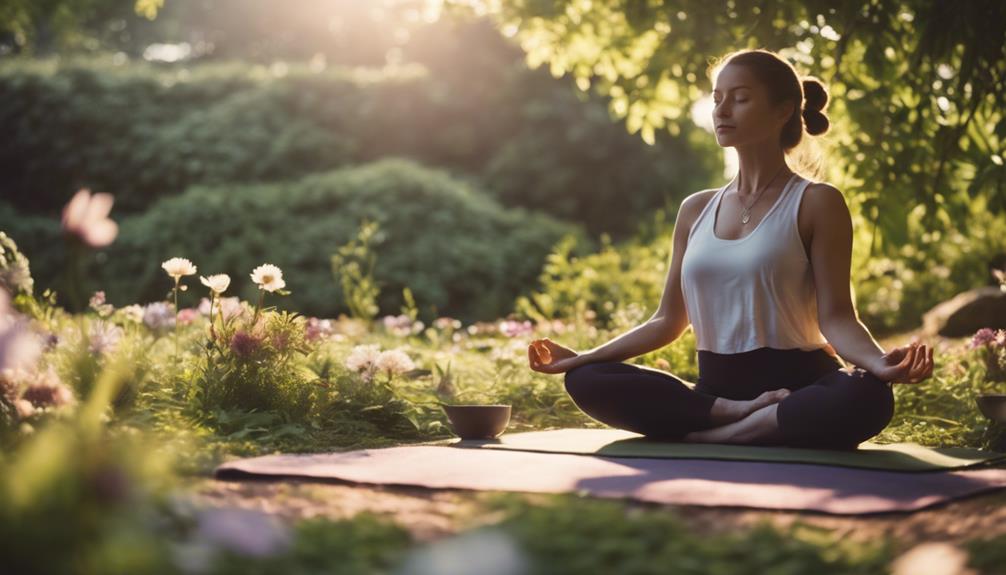
Sit comfortably on the floor or on a folded blanket. Let your shoulders relax and place your hands on your thighs. Take calm, steady breaths through the nose if that feels comfortable. Notice how your body feels today rather than trying to force it into a particular shape.
2. Neck and shoulder release — 1 minute
Keep the movement gentle. Lower your chin slightly, return to neutral, and slowly turn your head from side to side. Follow with several shoulder circles in both directions. Keep your jaw relaxed and avoid dropping the head heavily backward.
3. Cat-cow — 1 minute
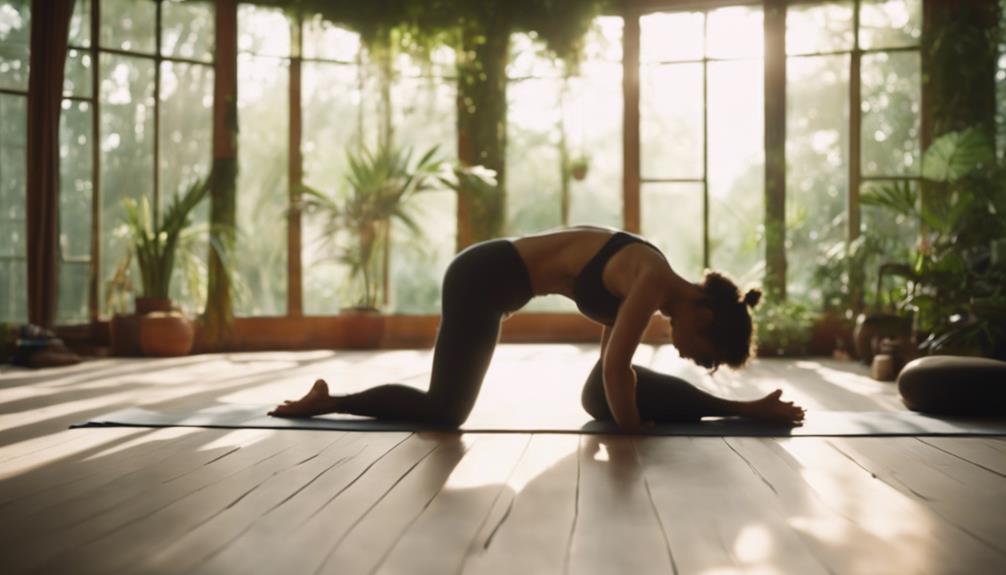
Come to your hands and knees, with your hands under your shoulders and knees under your hips. As you inhale, gently lengthen the front of the body and lift the chest. As you exhale, round the spine and allow the head to follow the movement. Continue for several comfortable rounds, coordinating the motion with your breath.
4. Downward-facing dog — 1 minute
From tabletop, tuck your toes and lift your hips into a gentle downward-facing dog. Keep your knees bent if your hamstrings feel tight. You can slowly pedal the feet or shift your weight from side to side. Focus on creating length through the spine rather than trying to press your heels toward the floor.
5. Low lunge — 2 minutes
Step one foot forward between your hands and lower the back knee to the floor. Use a blanket beneath the knee if needed. Keep your hands on the floor, on blocks, or on your front thigh, and allow the hips to move forward only as far as feels comfortable. Return through tabletop and repeat on the other side.
Keep the front knee tracking in the same direction as the toes. If stepping forward is difficult, move the foot forward with your hand or practise the lunge beside a wall for extra support. After ten minutes of yoga, explore a beginner yoga practice to build consistency.
6. Seated twist — 1 minute
Return to a comfortable seated position. Sit on a folded blanket if your lower back rounds. Place one hand behind you and the opposite hand on your thigh, then gently turn your chest to one side. Keep the movement easy and lengthen through the crown of your head. Switch sides after a few breaths.
7. Bridge or supported rest — 1 minute
Lie on your back with your knees bent and feet resting on the floor. Press gently through the feet to lift the hips into a low bridge, then lower with control. Repeat a few times, or simply rest on your back if you prefer a quieter finish. Keep the neck relaxed and stop if the movement causes discomfort.
8. Final relaxation — 1 minute
Extend your legs or keep the knees bent. Let your arms rest by your sides and take a few unhurried breaths. Notice any changes in your breathing, posture, or level of tension. This final pause helps you transition out of the practice instead of immediately rushing to the next task.
Make the routine work for you
- Use support: A folded blanket, blocks, or a wall can make positions more comfortable and stable.
- Reduce the intensity: Bend your knees in forward-facing positions, keep the back knee down in lunges, and take longer pauses.
- Adjust for sensitive wrists: Reduce the amount of weight on your hands or practise with your forearms when appropriate.
- Follow your energy: Add a few extra cat-cow movements for mobility, or spend more time resting when you need a restorative session.
How to build a consistent 10-minute habit
Choose a regular time and make the starting process simple. Keeping your mat visible, preparing a small practice area, and linking yoga to an existing part of your day can reduce the effort required to begin. You might practise after waking, during a lunch break, or before bed.
Consistency matters more than performing a difficult sequence. Track completed sessions or note small changes, such as easier movement in the morning, steadier balance, or calmer breathing. You can also vary the emphasis from day to day: focus on mobility, balance, gentle strength, or relaxation while keeping the practice within ten minutes.
Common mistakes to avoid
Do not rush simply to fit in more poses. Steady breathing and comfortable alignment are more useful than speed. Avoid copying advanced shapes or pushing into a stretch that feels painful. Give yourself permission to modify the routine or stop when your body needs a break.
A ten-minute practice may seem small, but repeated short sessions can create familiarity and confidence. Start where you are, stay attentive to your body, and let this simple routine become a sustainable foundation for longer or more varied yoga practices.