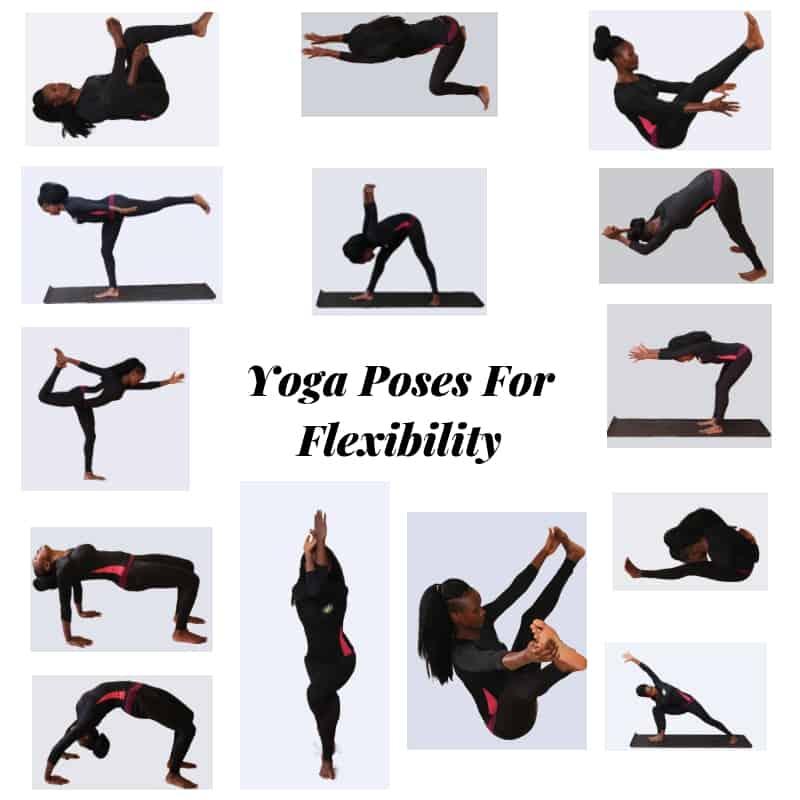
Becoming a yoga teacher involves more than developing a strong personal practice. A qualified instructor needs to understand how to teach movement safely, communicate clearly, adapt classes for different students, and create a supportive learning environment. Formal training is usually the starting point, but practical experience, mentorship, and continuing education are equally important. Understanding the teacher training focus can clarify qualifications and prepare you for future teaching responsibilities.
What does a yoga teacher qualification include?
A yoga teaching qualification generally combines structured study with practical teaching experience. The exact curriculum varies by school and training format, but a well-rounded program commonly covers:
- Yoga postures, alignment principles, and safe transitions
- Basic anatomy and the effects of movement on the body
- Breathing practices, meditation, and relevant aspects of yoga philosophy
- Class planning, sequencing, pacing, and clear verbal cues
- Modifications for different abilities, bodies, and levels of experience
- Professional boundaries, ethics, inclusion, and responsible teaching
- Supervised practice teaching followed by constructive feedback
The purpose of this training is not simply to memorise poses. It is to prepare you to make sensible decisions during a class, recognise when an exercise may need to be adapted, and help students practise with greater awareness.
Do you need a certification to teach yoga?
Requirements depend on the country, employer, and type of work. In many settings, studios and gyms look for evidence that an instructor has completed a recognised or reputable teacher-training program. In the United States, hiring expectations are often established by individual studios, fitness facilities, or organisations rather than by one central yoga-teaching licence.
A 200-hour yoga teacher training is a common entry-level pathway. Some programs may support graduates who want to pursue a Registered Yoga Teacher designation through Yoga Alliance, subject to that organisation’s applicable requirements. Other schools provide their own certificates without using a registration system. When comparing programs, look beyond the name of the credential and examine the curriculum, teaching practice, faculty experience, feedback process, and graduate support.
Advanced study may include 300-hour or 500-hour pathways, while additional courses can focus on areas such as prenatal yoga, restorative practice, children’s classes, or teaching students with particular needs. A specialty course should complement foundational training rather than replace it.
Typical eligibility for yoga teacher training
Most introductory programs do not require a university degree or a specific academic background. Schools commonly expect applicants to have a consistent interest in yoga, the ability to commit to the course schedule, and enough physical and mental readiness to participate in regular practice and study. A long personal practice can be helpful, but it is not the same as teaching ability and should not be treated as the only preparation.
Before enrolling, check whether the course requires attendance at an in-person venue, live online sessions, assignments, practice teaching, or a final assessment. Ask how much individual feedback trainees receive and whether the schedule allows enough time to absorb the material. Explore teacher training options in New York to understand pathways toward qualifying as a yoga instructor.
How to choose a suitable yoga course
The best course for you will depend on your goals, schedule, learning preferences, and intended teaching environment. Compare programs using questions such as:
- Does the syllabus include anatomy, sequencing, teaching methodology, and ethics?
- Will you teach real or practice classes under supervision?
- Are the instructors experienced and transparent about their qualifications?
- Is the delivery format realistic alongside work and family commitments?
- Does the program provide mentoring, assessment, or support after graduation?
- Will the certificate meet the expectations of the studios or organisations where you hope to work?
Part-time, weekend, modular, and online formats can make training more accessible. However, a course should still provide meaningful opportunities to practise teaching and receive feedback. If you already hold foundational training, workshops in cueing, sequencing, accessibility, or trauma-informed teaching may help broaden your skills.
How long does it take to become a yoga instructor?
The timeline depends mainly on the course structure. An intensive 200-hour program may be completed in roughly two to four weeks. Part-time programs often spread the same study and practice hours across several months, commonly around three to six months. Further mentoring, specialist courses, or advanced training can extend the process to a year or longer.
Completing a certificate does not mean that teaching confidence develops immediately. Many new instructors improve through regular classes, observation, co-teaching, and feedback over the first year or two of their teaching experience.
Practical requirements after training
Potential employers may ask for proof of training, references, liability insurance, or first-aid or CPR certification. Classes held in schools, healthcare environments, community programs, or other structured settings may involve additional screening or organisational requirements. Confirm expectations with local studios and prospective employers before accepting work.
New teachers can build experience by assisting a senior instructor, teaching community sessions, or offering low-cost and donation-based classes where appropriate. Keep copies of certificates, training hours, workshop records, and references. Continue your own practice, seek honest feedback, and pursue further education as your interests develop.
Building a responsible teaching career
A yoga teacher qualification is a foundation rather than a final destination. Effective instructors combine technical knowledge with humility, careful observation, clear communication, and respect for each student’s circumstances. By choosing thorough training, gaining supervised experience, and checking the expectations of your local teaching market, you can develop the skills needed to lead safer, more inclusive, and more useful yoga classes.