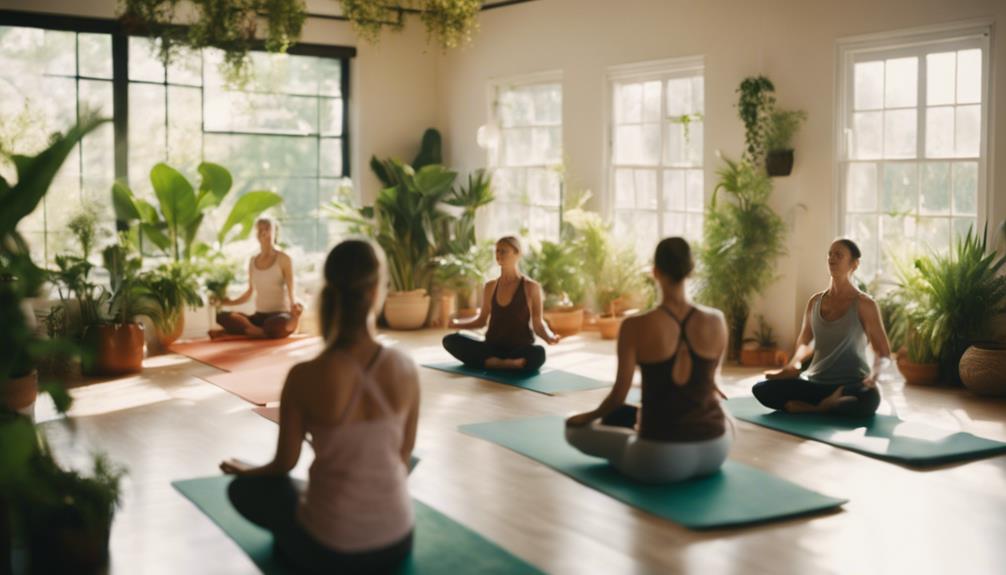
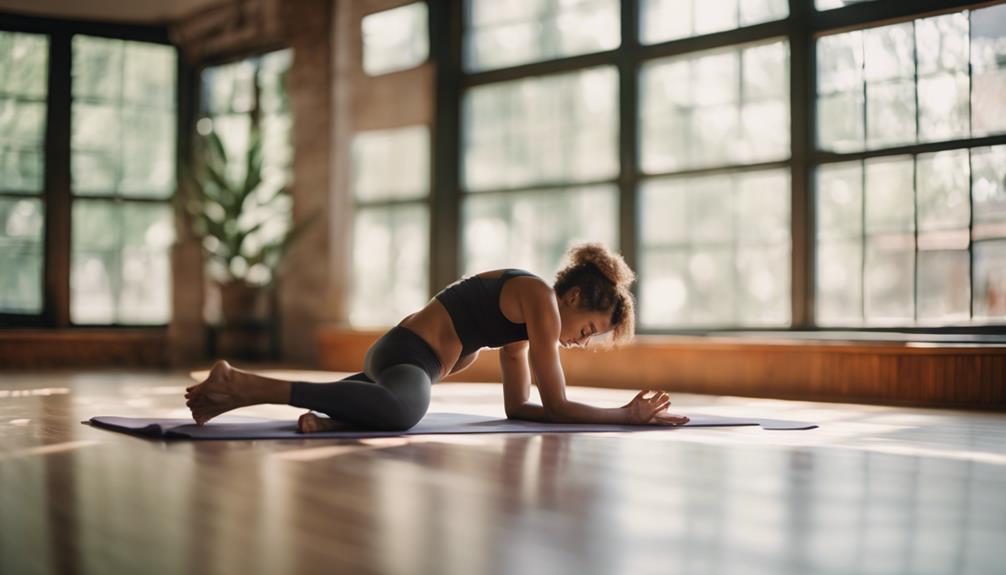
Vinyasa yoga can be a useful part of a weight-management plan because it combines continuous movement, strength-building poses, breath awareness, and mental focus. Unlike restorative or very gentle forms of yoga, a flowing vinyasa class may keep you moving for much of the session. The pace and physical demand vary widely, however, so results depend on the style of class, your effort, how consistently you practise, and the lifestyle habits that surround it.
Can Vinyasa Yoga Help With Weight Loss?
Vinyasa may support weight loss in several complementary ways:
- It increases physical activity. Repeated transitions between poses can raise your heart rate and add moderate cardiovascular demand to your week.
- It develops strength and muscular endurance. Planks, lunges, chair pose, balances, and related movements challenge the legs, core, shoulders, and arms.
- It improves body awareness. Paying attention to breathing, movement, and physical sensations can encourage more deliberate choices around eating, activity, and recovery.
- It may help manage stress. Breath-led movement and focused practice can provide a constructive way to reduce tension, which may be helpful for people whose eating patterns are affected by stress.
Vinyasa is not a guarantee of weight loss, and a yoga session should not be judged only by its calorie expenditure. Its value may also come from making regular movement more enjoyable and helping you build habits that you can maintain over time.
What a Weight-Focused Vinyasa Class Looks Like
A physically active class may include Sun Salutations, standing sequences, warrior poses, lunges, chair pose, plank variations, and controlled transitions such as chaturanga. In some sessions, the flow moves quickly with few pauses. Others use a slower pace but hold demanding poses longer, creating a strength-focused workout.
Because “vinyasa” describes a broad approach rather than one fixed routine, read the class description or ask the instructor about its intensity. Beginners may benefit from a class that allows time to learn alignment and modifications. More experienced students might choose a faster or more challenging flow, provided they can maintain steady breathing and controlled movement.
How to Structure Your Practice
Consistency is generally more useful than occasional exhausting workouts. A practical weekly plan can combine several vinyasa sessions with rest and other forms of movement. For example, you might use shorter flows on busy days, schedule a longer session when you have more time, and include lower-intensity or restorative practice to support recovery.
During an active session, give particular attention to movements that involve large muscle groups. Sequences built around standing poses, squats, lunges, planks, and core work can make the practice more physically demanding. Progress gradually by extending the session, repeating a sequence, holding a pose for longer, or reducing unnecessary pauses. Increase only one aspect at a time so that your technique does not deteriorate.
There is no need to make every class fast. A slower flow can improve control, mobility, balance, and muscular endurance, all of which may help you participate more safely in more vigorous sessions later.
Support Yoga With Everyday Habits
Vinyasa works best as one part of a broader approach to health. Eat balanced meals based on foods that help you feel satisfied, and include adequate protein to support recovery from strength-focused practice. Regular hydration, sufficient sleep, and planned rest can also affect energy, appetite, and your ability to exercise consistently.
You may also complement yoga with activities that provide a different stimulus, such as brisk walking, cycling, or resistance training. Cross-training can add variety and reduce the temptation to push the same joints and movement patterns hard every day. Brief breathing exercises, meditation, or gentle yoga can be useful on stressful days when a demanding flow would not be appropriate.
Safety and Modifications
Weight loss should never require you to ignore pain or force a pose. Learn the basics of alignment, especially for the wrists, shoulders, knees, and lower back, and use modifications whenever necessary. A knee-supported plank can replace a full plank or lower plank while you build strength. Chair pose can be held for less time or practised near a wall for additional support.
Persistent joint pain, unusual exhaustion, poor sleep, or declining performance may indicate that you need more recovery or a less intense routine. If you are new to exercise, have an injury, or have a health condition, consider getting appropriate professional guidance before beginning vigorous yoga.
Making Progress Over Time
Track more than body weight. Notice changes in stamina, strength, mobility, mood, sleep, and your ability to practise regularly. These improvements can reinforce a sustainable routine even when progress on the scale is uneven.
With regular practice, sensible nutrition, recovery, and an intensity level that suits your body, vinyasa yoga can support weight management while also developing fitness and mindfulness. The most effective practice is one you can perform safely and continue over the long term.