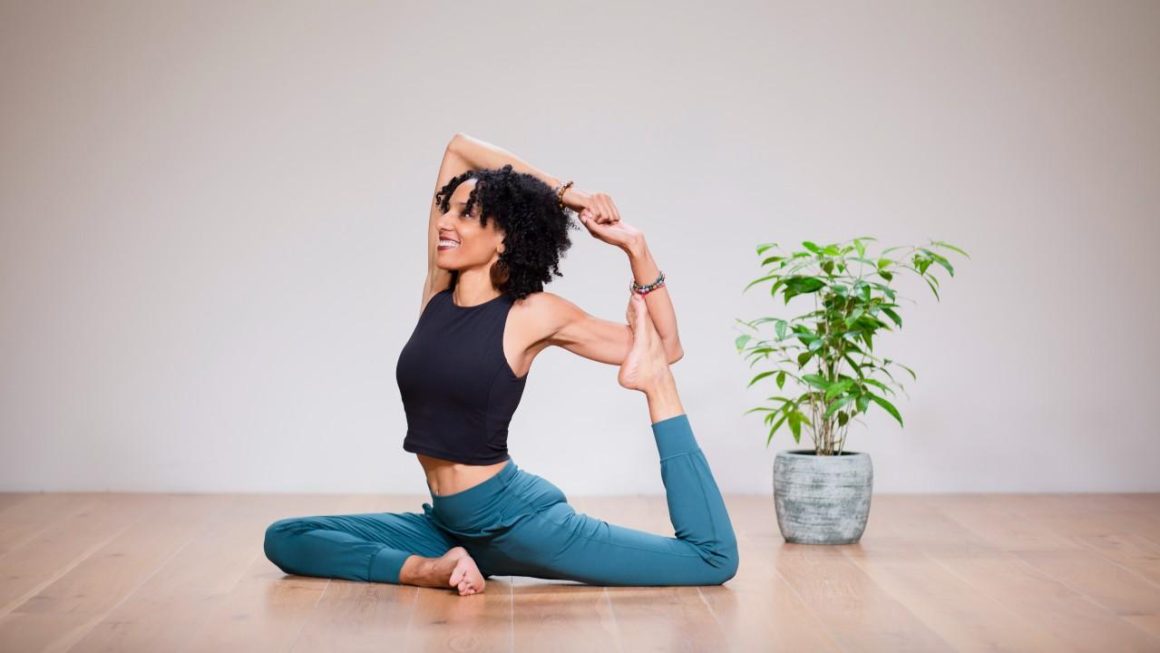
A gentle yoga routine is a practical way to move with greater awareness while giving your body time to build comfort, mobility, and confidence. Instead of emphasizing demanding poses or fast transitions, gentle yoga uses steady breathing, simple movements, supportive props, and frequent opportunities to pause. After this gentle routine, exploring different yoga styles can help you find practices matching your comfort and goals.
This style can suit beginners, people returning to movement after a break, and anyone who prefers a slower practice. It can also be adapted for different energy levels and physical abilities. The aim is not to force a deeper stretch or achieve a particular shape. A successful practice leaves room to notice how you feel and make sensible adjustments.
What makes a yoga routine gentle?
Gentle yoga is defined less by a fixed list of poses than by the way the practice is approached. Movements are controlled, transitions are unhurried, and breathing helps establish a calm rhythm. Poses may be held briefly or supported with equipment so that the body can relax rather than struggle.
Useful principles include:
- Move slowly enough to maintain comfortable breathing.
- Choose a range of motion that feels steady, not forced.
- Use a wall, chair, blocks, blankets, or a bolster when they improve support.
- Rest whenever you need to, including between poses.
- Keep your attention on sensation and alignment rather than appearance.
Regular, manageable sessions may be easier to maintain than occasional intense workouts. Even a short practice can create time for mobility, breathing, and relaxation.
Accessible poses to include
A balanced gentle sequence can combine floor-based mobility, supported stretching, simple standing work, and a quiet finish. The following poses are useful options, although each should be adjusted to suit your comfort.
Cat and cow
Begin on hands and knees, or place your hands on a chair if getting down to the floor is uncomfortable. Slowly round and lengthen the spine, coordinating the movement with your breath. Keep the motion small if your back or neck feels sensitive.
Supported child’s pose
Place a bolster or folded blankets beneath the torso and rest into the support. Knees can remain together or move apart, depending on what feels comfortable. A chair-supported version can provide a similar sense of rest without requiring you to kneel.
Seated twist
Sit on a folded blanket or chair to help keep the spine comfortable. Turn gently from the upper body without pulling on the knees or forcing the rotation. Return to center before repeating on the other side. For another calming option, explore this soothing yoga sequence to complement your daily stretching practice.
Supported reclining bound angle
Lie back with the soles of the feet together and knees supported by cushions or blocks. If this position strains the hips or knees, keep the legs bent with the feet on the floor instead.
Legs up the wall
Rest with the legs supported by a wall, chair, or sofa. Keep the position comfortable and come out slowly, especially if your hips or lower back feel tight.
A simple 20-minute gentle flow
- Arrive and breathe: Sit or lie down for two to three minutes. Notice the natural breath and relax the shoulders.
- Warm the spine: Practice several slow rounds of cat and cow, or perform the same movement seated in a chair.
- Mobilize the hips: From a supported kneeling position, extend one leg back or move into a comfortable low lunge with your hands on blocks. Switch sides without rushing.
- Stand with support: Rise into mountain pose near a wall or chair. Add a small overhead reach and a soft forward fold, bending the knees as needed.
- Practice balance: Try a tree variation with the toes of one foot touching the floor and one hand resting on a wall. Repeat on the opposite side.
- Settle down: Return to the floor for a supported twist or a comfortable reclining position.
- Rest: Finish with legs supported by a wall or chair, followed by several minutes of relaxed rest.
There is no need to complete every step. Leaving out a pose, repeating a comfortable movement, or resting for longer is part of adapting the sequence.
How to modify the practice
A chair can make standing poses, forward folds, and balance work more secure. Blocks can bring the floor closer to your hands, while blankets can cushion the knees or raise the hips during seated poses. If kneeling is uncomfortable, perform mobility exercises seated or lying down.
When recovering from an injury or managing ongoing pain, avoid treating discomfort as a challenge to overcome. Work within instructions provided by a qualified healthcare professional, and consider guidance from an experienced yoga teacher who can offer appropriate alternatives. Stop if a movement causes sharp, unfamiliar, or increasing pain, dizziness, or difficulty breathing.
Making gentle yoga a sustainable habit
Choose a regular time and keep the initial goal realistic. A brief routine focused on breathing and mobility may be enough on a busy day. On days when you have more energy, you can gradually add a few standing poses or extend the final relaxation.
Whether you practice at home or attend a gentle yoga class, look for an environment that welcomes rest, explains variations clearly, and does not pressure you to match another person’s range of motion. Over time, a patient approach can make yoga a dependable practice for mindful movement and relaxation.