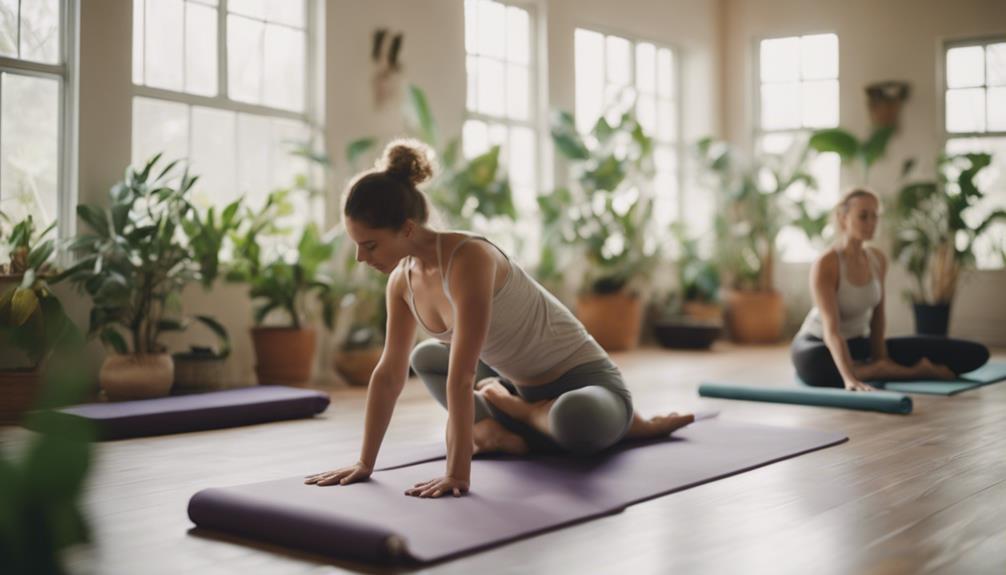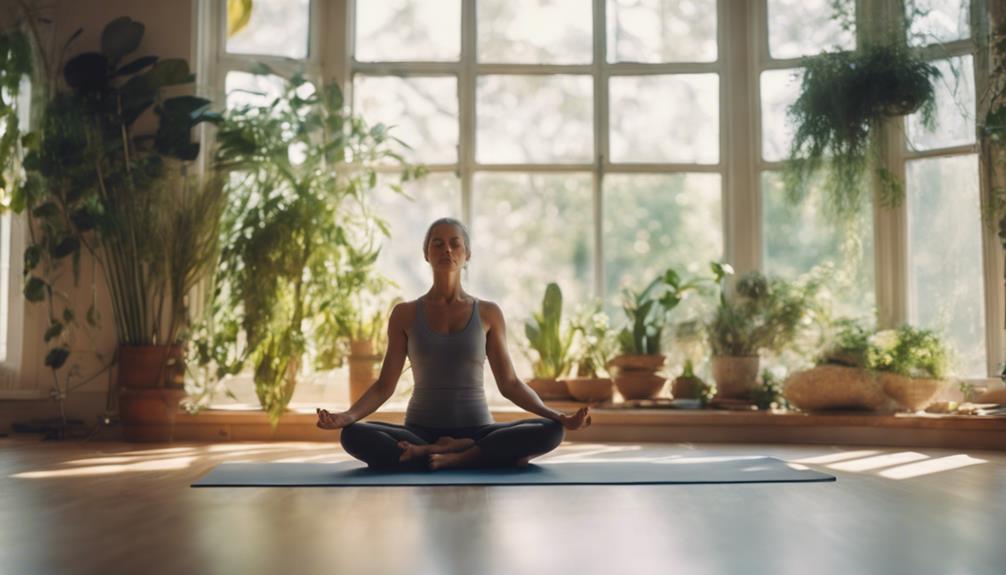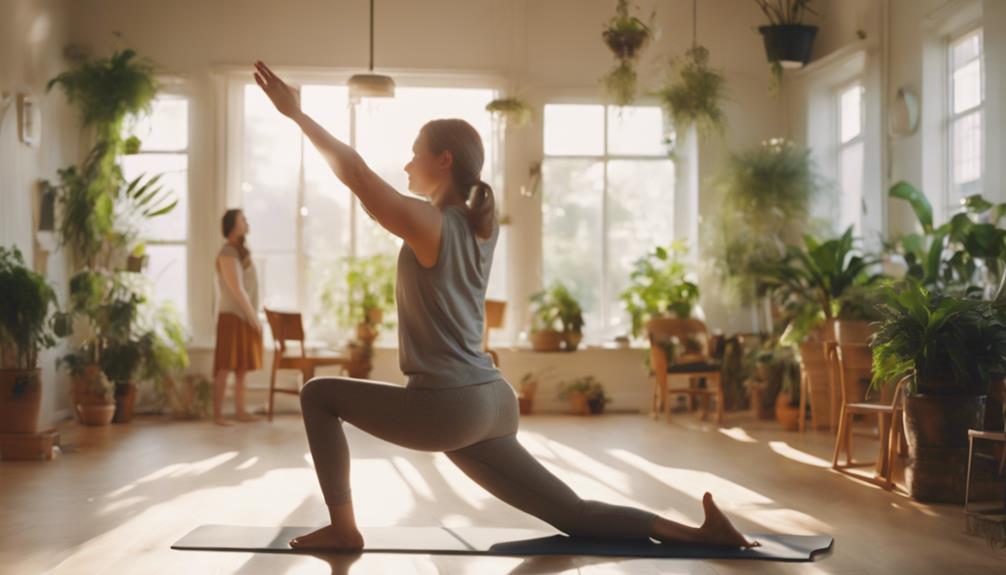
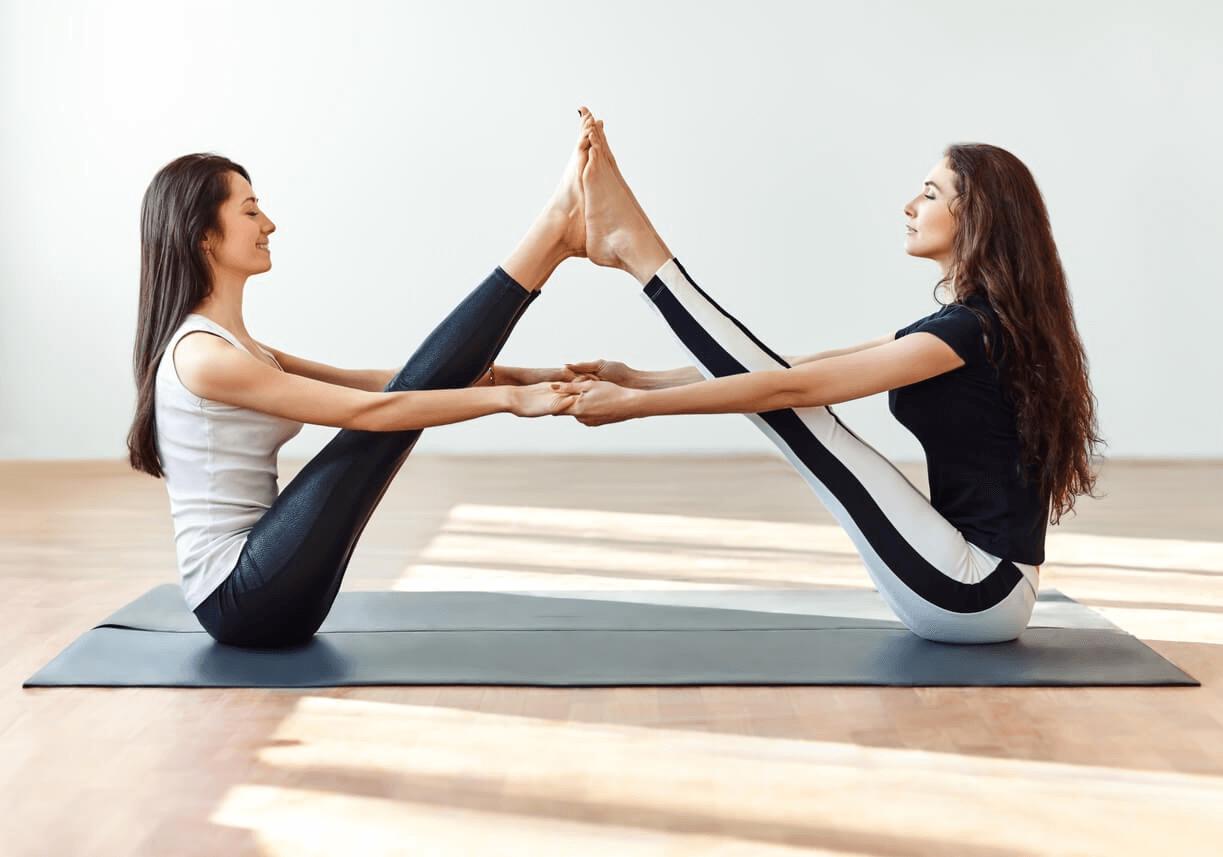
Yin yoga is a slow, quiet style of yoga built around passive postures, relaxed muscles, and extended periods of stillness. Rather than moving continuously from one pose to the next, practitioners usually settle into a position and remain there for several minutes. The emphasis is less on muscular strength or physical intensity and more on mobility, awareness, breathing, and the ability to remain present with changing sensations. Understanding Yin Yoga’s benefits can help readers explore yoga styles suited to different goals and energy levels.
What is yin yoga?
In a yin yoga posture, the body is supported so that the muscles can soften while a gentle, sustained sensation develops in the surrounding tissues. Common areas of focus include the hips, pelvis, lower back, shoulders, and spine. Poses are typically performed close to the floor, and props such as bolsters, blankets, and blocks can make them more comfortable and accessible.
Yin practice is often associated with connective tissues, including fascia, tendons, ligaments, and the structures around joints. The intention is not to force a deeper stretch, but to spend time in a manageable position and allow the body to respond gradually. In traditional yin yoga teaching, the practice is also connected with concepts such as energy pathways or meridians. These ideas form part of the style’s traditional framework and are approached differently from the anatomical explanations used in modern movement education.
How yin differs from more active yoga styles
Many yoga classes use active, muscular movement. These practices may build heat, strength, balance, coordination, and cardiovascular endurance. Yin yoga offers a contrasting experience:
- Postures are generally held for longer periods rather than repeated quickly.
- The muscles are encouraged to relax instead of working continuously to stabilize movement.
- There is usually less emphasis on achieving a particular visual shape.
- Breathing, observation, and stillness are central parts of the practice.
- Props and variations are used to create an appropriate level of sensation, not to push toward maximum range of motion.
These approaches can complement one another. An active practice may develop strength and stamina, while yin can provide a quieter opportunity to explore mobility and recovery. Yin is not simply a less demanding version of a dynamic class; it creates a different type of physical and mental challenge.
Potential physical benefits
Regular yin yoga may help some people feel less stiff and more comfortable moving through everyday activities. Spending time in supported, sustained positions can encourage awareness of areas that feel restricted and may gradually support a greater functional range of motion. Practitioners often pay particular attention to the hips, pelvis, spine, and shoulders, where prolonged sitting or repetitive activity can contribute to a sense of tightness.
The slow pace can also make yin useful as part of a recovery-focused routine. It may provide a gentle way to move after periods of inactivity or to balance more vigorous exercise. However, increased flexibility is not automatically better, and a pose should never be forced. The goal is a tolerable, steady sensation rather than pain, numbness, or intense pressure in a joint. After exploring Yin yoga’s benefits, compare them with Bikram yoga classes available at studios near you.
Mental and emotional benefits
Yin yoga’s stillness gives the mind fewer external distractions. Remaining in one posture for several minutes can reveal habitual reactions to discomfort, impatience, or restlessness. With calm breathing and nonjudgmental attention, practitioners can learn to notice these responses without immediately acting on them.
Many people use yin yoga to wind down, manage everyday tension, or add a meditative element to their routine. A quiet session may encourage relaxation and a greater sense of groundedness. These effects are personal rather than guaranteed, but the combination of supported postures, slower breathing, and reduced activity can create a useful pause in a busy day.
How to begin safely
Beginners can start with a small number of poses and hold each one for roughly two or three minutes, adjusting the duration according to comfort and experience. A qualified teacher can demonstrate alternatives and help identify whether a sensation is coming from an appropriate area or from unwanted strain.
- Use blankets, bolsters, or blocks so the body does not have to work hard to remain in position.
- Choose a variation that creates a mild to moderate sensation, not a sharp or escalating one.
- Keep breathing naturally; do not hold the breath to tolerate a pose.
- Come out slowly and pause between postures to notice how the body responds.
- Do not treat pain as evidence that the pose is working.
Anyone with an acute injury, persistent pain, a joint condition, or a connective tissue disorder should seek appropriate professional advice before beginning. Yin yoga can support general well-being, but it should not replace diagnosis or treatment for a medical problem.
Adding yin yoga to your routine
A weekly yin session can sit alongside strength training, walking, dynamic yoga, or other forms of exercise. Some people prefer it on a rest day, while others use a short practice in the evening to transition out of work and activity. Start with an amount that feels realistic and observe how your body responds over time.
Yin yoga is best approached with patience. Its value comes from learning to work with the body rather than forcing it, while making space for stillness and attention. For people seeking gentle mobility work, relaxation, and a more contemplative practice, yin can be a useful complement to a balanced lifestyle.